Newsletter Subscribe
Enter your email address below and subscribe to our newsletter
[forminator_form id="25163"]

All voices matter
cnbc+1reuters+1tradingeconomics+1Five Gulf Cooperation Council central banks raised their key interest rates on Wednesday, moving in lockstep with the Federal Reserve after it approved its first rate increase since 2023. Kuwait was the sole holdout, keeping its benchmark discount rate unchanged at 3.50%.
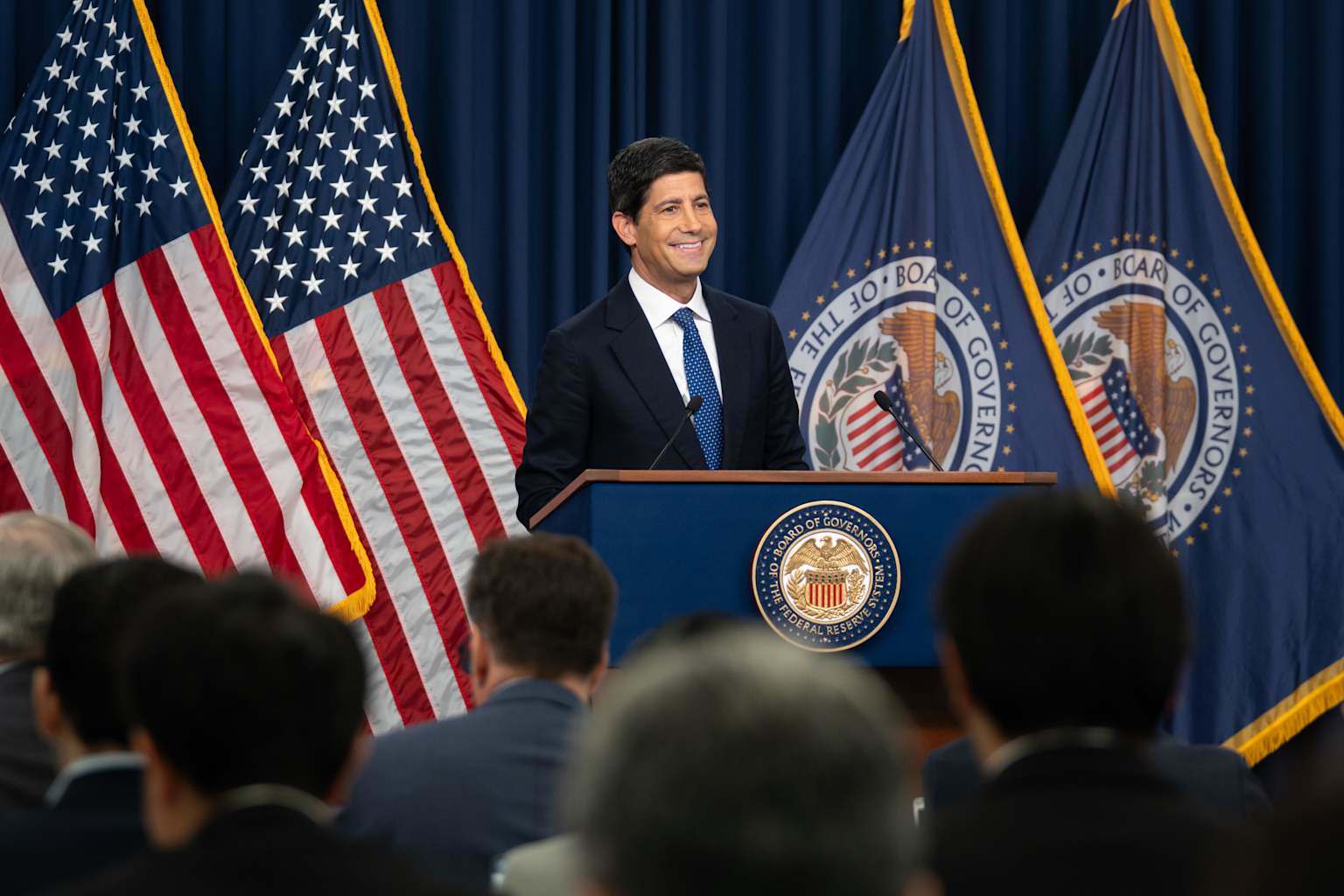
The Fed voted unanimously to lift its federal funds target range by 25 basis points to 3.75%–4.00%, a move aimed at curbing inflation that policymakers said "remains elevated even as economic activity continues to expand at a solid pace". The interest rate paid on reserve balances rose to 3.90% and the primary credit rate increased to 4.00%, both effective September 17.wsj+2
Within hours of the Fed's announcement, central banks across the Gulf followed suit. The Saudi Central Bank raised its repo rate by 25 basis points to 4.50% and its reverse repo rate to 4.00%, citing its mandate to preserve monetary stability. The Central Bank of the UAE lifted the base rate on its Overnight Deposit Facility from 3.65% to 3.90%, effective September 17, while maintaining the short-term lending rate at 50 basis points above the base rate.reuters+1
Bahrain's central bank raised its overnight deposit rate from 4.25% to 4.50%. Qatar increased its deposit, lending, and repo rates by 25 basis points each, bringing them to 4.10%, 4.60%, and 4.35%, respectively. Oman also raised its repo rate by 25 basis points to 4.50%.gdnonline+2
Kuwait's decision to hold steady reflects its distinct monetary framework. Unlike other GCC members, whose currencies are pegged directly to the U.S. dollar, the Kuwaiti dinar is linked to a basket of currencies, giving the Central Bank of Kuwait greater flexibility to set policy independently. Its discount rate has stood at 3.50% since a cut in December 2025.cbk+2
The coordinated rate increases tighten monetary conditions across a region where most currencies track the dollar, making large divergences from U.S. rates difficult to sustain without straining capital flows and currency pegs. Fed Chair Kevin Warsh signaled the possibility of another increase before year-end, with updated projections pointing to one more hike in 2026. For Gulf households and businesses, the immediate effects are likely to include higher borrowing costs on variable-rate loans, though savers may benefit from improved deposit returns as banks pass through the higher rates.cnbc+2