Newsletter Subscribe
Enter your email address below and subscribe to our newsletter
[forminator_form id="25163"]

All voices matter
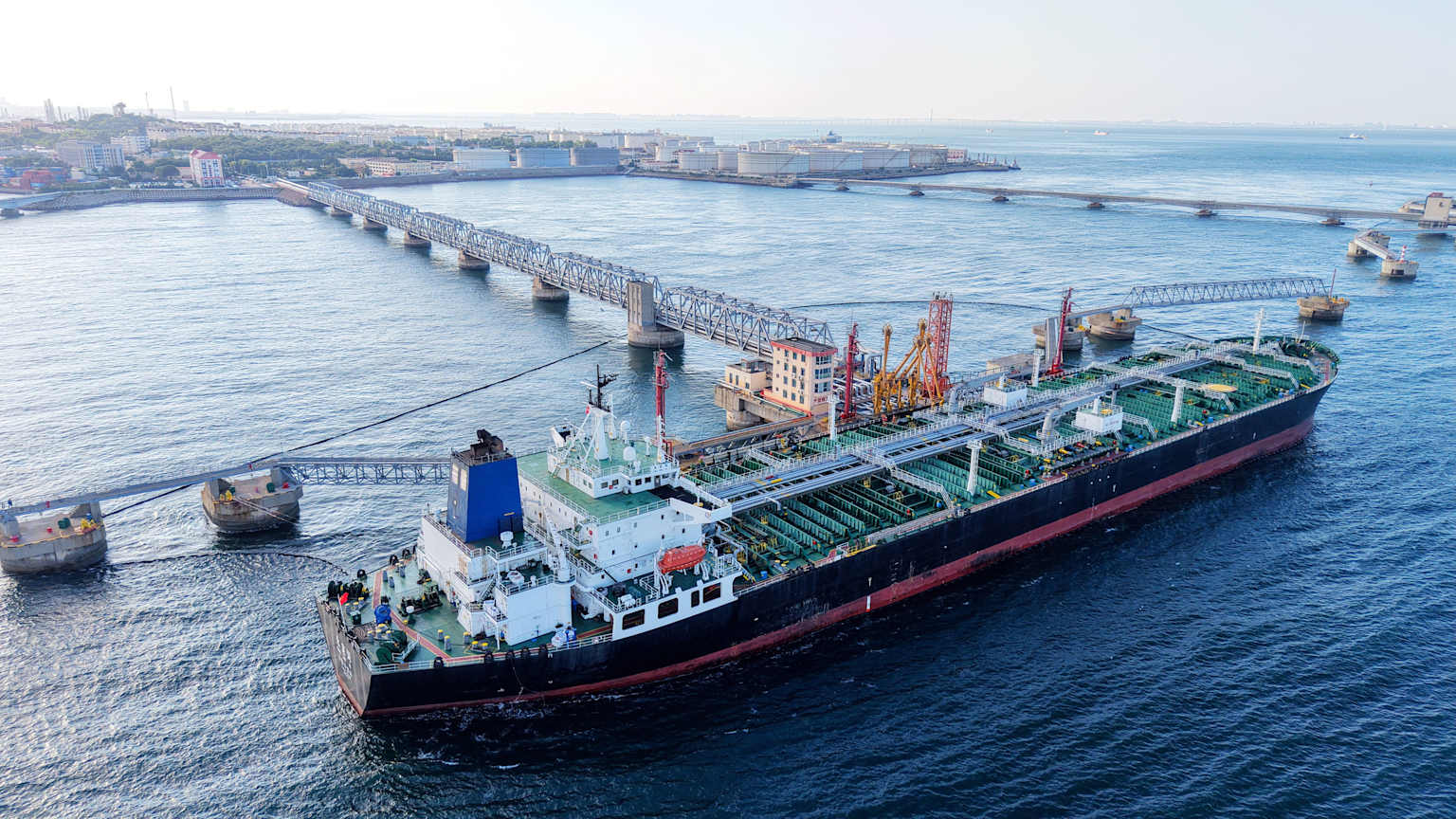
hindustantimesforbes+1morningstarDaily charter rates for oil tankers bound for India have surged roughly 150% to approximately $250,000 in about two weeks, as the compounding effects of the Strait of Hormuz crisis and fresh attacks on Saudi Arabia's backup export route squeeze global oil shipping capacity.
The rate spike, from about $100,000 per day, was driven by the Houthi seizure of Yemen's Mocha port near the Bab el-Mandeb Strait and continued Iranian disruption of traffic through the Hormuz chokepoint, according to the Hindustan Times Moody's Corporation , citing three people familiar with the developments. India, the world's third-largest oil importer, is particularly exposed to the dual disruption of both major maritime corridors linking the Persian Gulf to global markets.tradingview
The Strait of Hormuz, through which roughly 20% of the world's seaborne oil normally flows, has been effectively closed to most commercial shipping since late February amid the wider U.S.-Iran conflict. As of early September, only about six commodity vessels were crossing the strait daily, down from approximately 125 before the crisis, according to ship-tracking data from Kpler cited by Reuters .container-news+1
Saudi Arabia's East-West Pipeline, which had served as the main alternative route, was shut down on September 10–11 after a series of drone strikes launched from Iraqi territory hit the infrastructure. The pipeline had been carrying roughly 4 million barrels per day to the Red Sea port of Yanbu — equivalent to about 4% of global supply, according to Forbes.forbes+1
The cascading disruptions have pushed crude prices sharply higher. Brent crude futures rose above $107 per barrel, while West Texas Intermediate climbed past $102, with both benchmarks settling above $100 for the first time in months. TIME reported that the wave of attacks around the Red Sea has been the primary driver of the price surge.morningstar+1
The Houthis have also struck Saudi oil facilities in Abha, Jizan, and Najran with ballistic missiles and drones, according to the Institute for the Study of War. Meanwhile, CNBC reported that Houthi forces seized Yemen's Perim Island, tightening their grip on the Bab el-Mandeb Strait.understandingwar+1
Fearnleys, the shipping brokerage, described the tanker market as extraordinarily tight, noting that VLCC rates could breach further highs on prompt fixtures as Iranian forces intensify efforts to block Hormuz traffic. The International Energy Agency has cut its outlook for global oil demand, now expecting consumption to fall by 2.5 million barrels per day in 2026 compared with its previous forecast, and does not expect production and trade flows to return to pre-conflict levels until the second quarter of 2027.morningstar+2