Newsletter Subscribe
Enter your email address below and subscribe to our newsletter
[forminator_form id="25163"]

All voices matter
kuwaittimes.com.ifad.org+1.newsweek.com.An exceptionally strong El Niño is raising food and fuel prices around the world, and the war in Iran is making it worse, according to Maximo Torero, chief economist at the UN Food and Agriculture Organization (FAO). His warning came as another UN agency, the International Fund for Agricultural Development (IFAD), said at the COP31 climate summit that the weather pattern could cost the global economy up to $11 trillion.channelstv.com+1
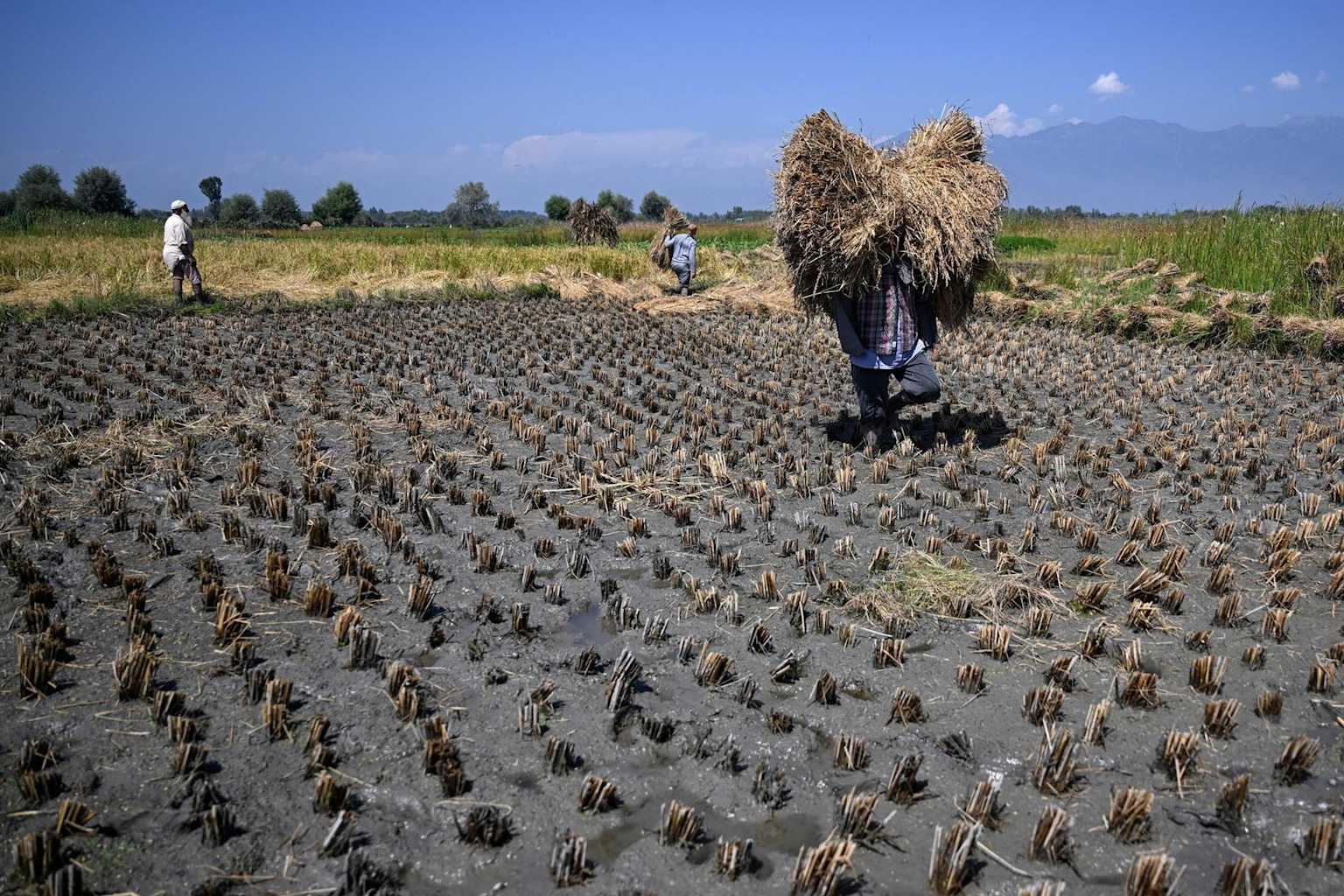
El Niño brings drought to some regions and heavy rain to others. Both can cut harvests and feed-crop output, and floods can destroy stored food and the transport links that get it to market. Torero told AFP that the price effects "can emerge well before harvests are completed," because "markets react to expectations of future shortages and uncertainty itself can generate volatility". The Iran war has already pushed up fuel and fertilizer costs for farmers, adding to the strain on household budgets worldwide. "For vulnerable households, even moderate food price increases can have huge consequences," Torero said.news.abs-cbn.com+1
Earlier this month, Torero warned that food inflation would likely speed up and last into 2027. The FAO Food Price Index averaged 136 points in September, its highest level since November 2022, and wheat prices had risen more than 30 percent in 2026. In the Philippines, unmilled rice production fell 18 percent in the three months to September because of El Niño and higher fuel and fertilizer prices. In September, the FAO said it had received only one-fifth of the $202 million it requested to prepare 22 high-risk countries.channelstv.com+2
IFAD and Türkiye's agriculture ministry released their report, Food Systems Under Stress: Building Resilience from the First Mile, on November 9 in Antalya. It estimates that a severe El Niño could cost countries $11 trillion in lost income over the next five to six years. The figure covers losses in farm economies, damage to infrastructure, and knock-on effects through commodity prices and trade. The report says energy and fertilizer shocks in 2026 spread through food systems within a single planting season, hitting hardest the small-scale farmers who grow a third of the world's food.ifad.org+1
IFAD's Pieternel Boogaard told Newsweek that the estimate is based on earlier strong El Niño events, with a range of roughly $7 trillion to $14 trillion. In the report's model, a small corn farm lost about 60 percent of its normal annual net income when severe drought hit at the same time as higher input costs. Cullen Hendrix of the Peterson Institute, who puts the losses above $7 trillion over five years, told Foreign Policy that many countries "are still reeling" from the Iran war's energy shock.newsweek.com+1
IFAD President Alvaro Lario said that when farmers got better access to inputs, markets and finance together, their incomes rose by more than 40 percent. "Its effect on food prices doesn't discriminate between high-income and low-income countries," Boogaard said, "and all families can end up paying more for food too".guardian.ng+1