Newsletter Subscribe
Enter your email address below and subscribe to our newsletter
[forminator_form id="25163"]

All voices matter
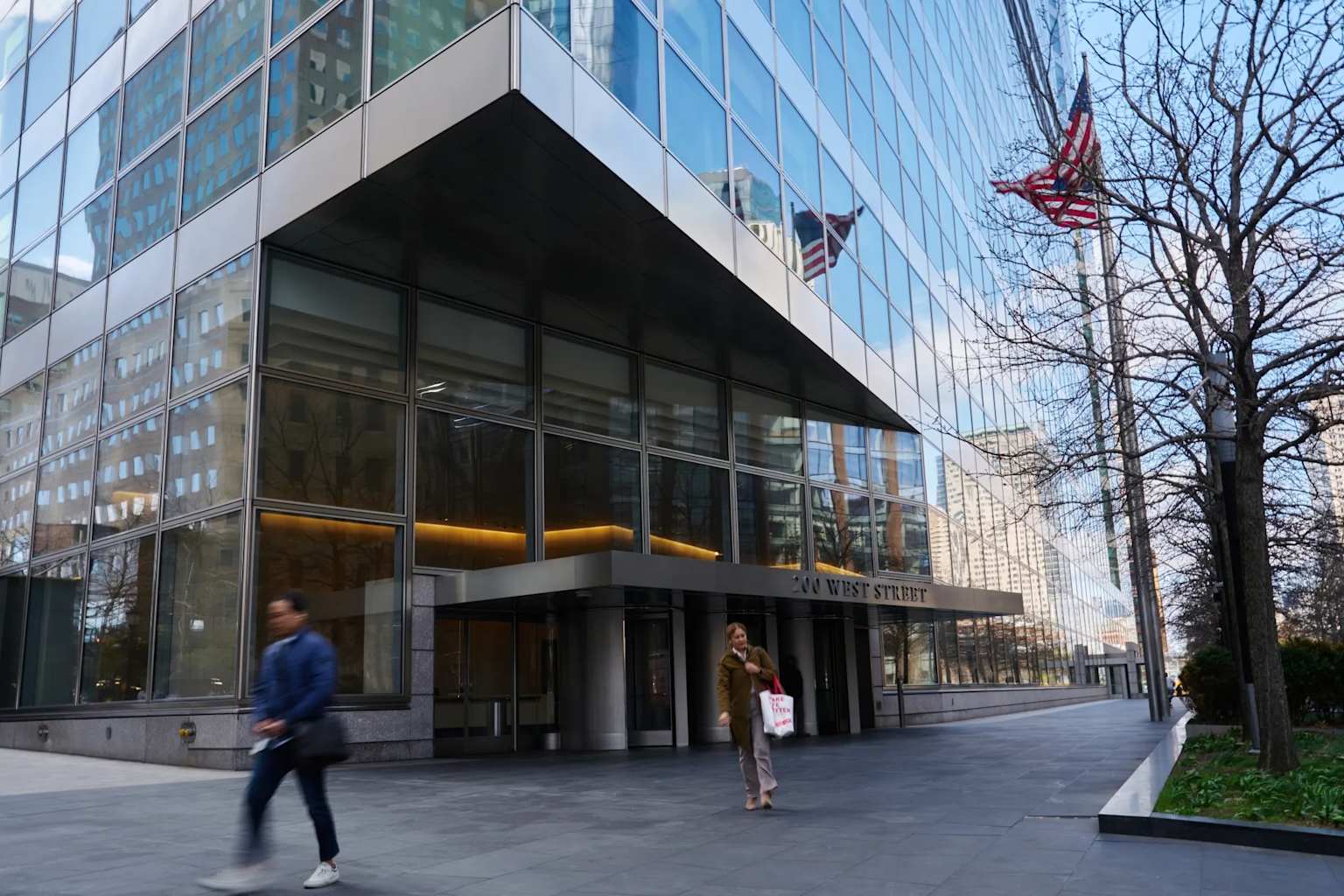
goldmansachsodaily+1goldmansachsThe artificial intelligence buildout has unleashed a wave of corporate borrowing that is reshaping credit markets and putting pressure on the U.S. Treasury yield curve. Nearly $500 billion in AI-related debt has been issued so far in 2026, according to Goldman Sachs The Goldman Sachs Group, Inc. Research, dwarfing the $108 billion raised by the major hyperscalers in all of 2025.goldmansachs
The figures mark an acceleration that has caught even bullish forecasters off guard. Amanda Lynam, head of credit strategy research at Goldman Sachs, said on an August 3 podcast that the hyperscalers alone have issued $194 billion year-to-date, with roughly one-third of their capital expenditures now being debt-financed. She projected direct hyperscaler supply could reach approximately $250 billion by year-end, with project finance and the broader AI ecosystem accounting for the remainder of the nearly $500 billion total.goldmansachs
The flood of tech debt is creating structural pressure on U.S. Treasuries. Data cited by Bank of America strategist Michael Hartnett shows corporate bond supply has surged 61% year-over-year, with AI and data center-related issuance reaching roughly 12 times the 2015–2024 annual average, totaling $269 billion year-to-date—double the full-year figure for 2025. The result, Hartnett wrote in his latest "Flow Show" report, is a vicious cycle: credit spreads widen, long-duration buyers are crowded out, and the yield curve bear-steepens.odaily+1
The 30-year Treasury was issued last week at a yield of 5.126%, its highest in 25 years, even as stocks hit record highs the same day. Nomura strategist Charlie McElligott noted that CTA trend strategies now hold an overall short signal on G10 bonds, with nominal positioning at the 12th percentile since 2010.odaily
Individual issuers are beginning to feel the strain. S&P Global downgraded Oracle to BBB- in July 2026, one notch above junk, after its fiscal 2026 capital expenditure hit $55.66 billion—overshooting its own $50 billion target. Meta tapped the bond market for $30 billion in a single offering in late 2025, its largest ever, while credit spreads on its bonds have been widening alongside those of Alphabet and Amazon Amazon.com, Inc. .cryptobriefing
On Goldman's credit sales desk, signs of investor fatigue are emerging. Zach Ablon, head of credit sales, said insurance clients placing $50 million-plus orders in the 30-year tranche fell by roughly half between the first and second quarters. The firm's AI leadership credit basket has widened from 74 basis points to nearly double that level over the past 12 months.goldmansachs
JP Morgan JPMorgan Chase & Co. estimates 2026 hyperscaler bond issuance will finish at $279 billion, with another $220–$300 billion likely in 2027. Goldman Sachs expects debt financing to peak next year, when it projects 35% of hyperscaler capex will be funded through bonds, with $300 billion in additional project finance deals layered on top.jpmorgan+1
"There's a big difference between how much debt hyperscalers could theoretically add and stay well within investment grade, and how much the bond market can easily absorb," Lynam said.goldmansachs