Newsletter Subscribe
Enter your email address below and subscribe to our newsletter
[forminator_form id="25163"]

All voices matter
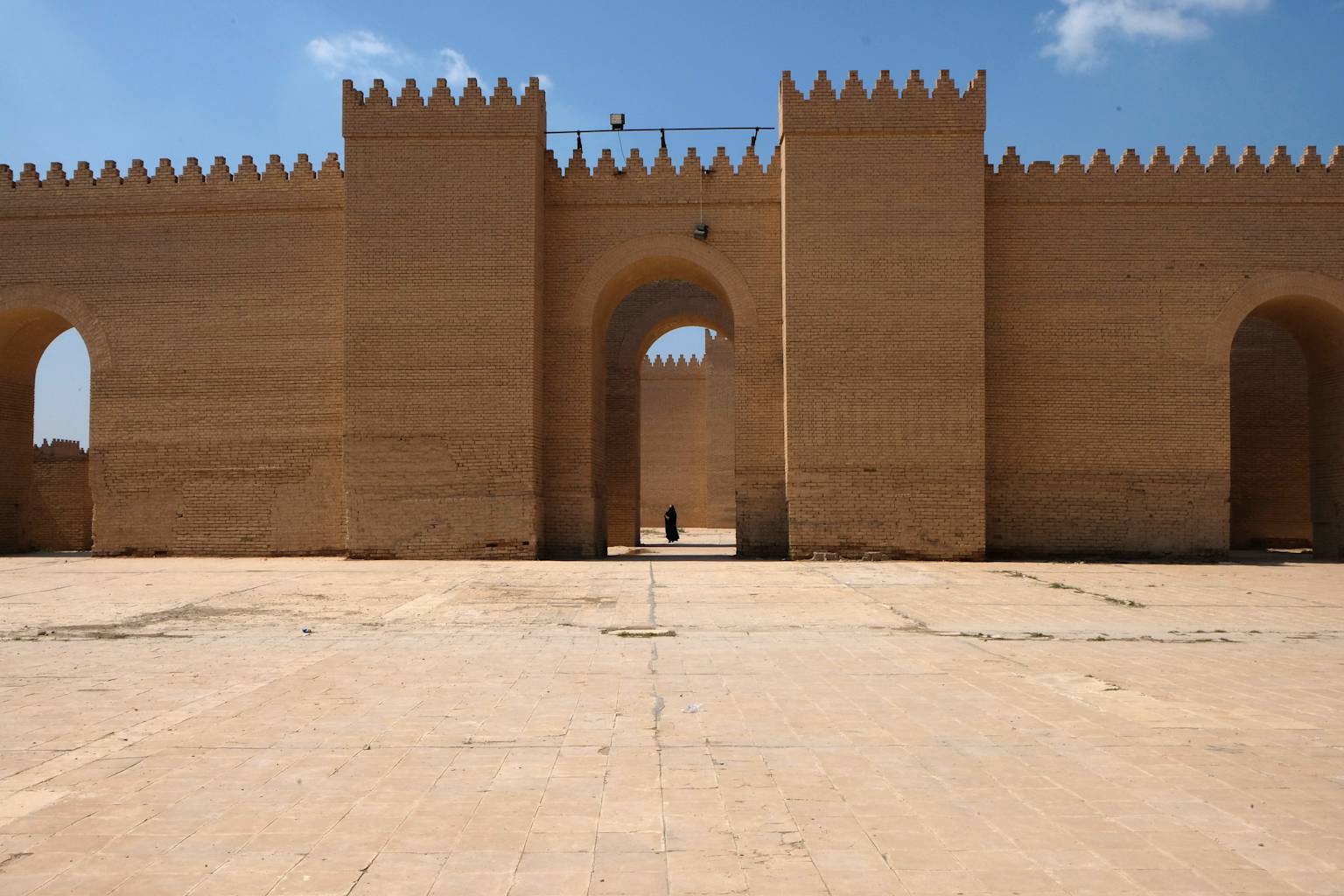
phys+1.web+1.phys.web+1.phys+1.Researchers from Ludwig Maximilian University and the University of Baghdad have rediscovered a 3,000-year-old hymn to Babylon that had been lost for a millennium, offering rare insights into the ancient city's architecture, natural surroundings, and daily life during its cultural peak around 1000 BCE.
The Sippar Library, discovered during excavations by an Iraqi archaeological mission from the University of Baghdad in 1983, represents one of the most significant finds in Mesopotamian archaeology. Located within the temple of Shamash (the sun god) at Tell Abu Habba, the library consisted of clay shelves containing hundreds of cuneiform tablets that have provided invaluable insights into Babylonian literature and culture. According to legend, these tablets were hidden by Noah before the great flood, though their actual preservation is attributed to the careful archiving practices of Babylonian priests.wikipedia+1
The library has yielded remarkable literary treasures, including manuscripts of classic Babylonian works such as "The Babylonian Poem of the Righteous Sufferer" (Ludlul bēl nēmeqi), prayers to Marduk, and fragments of the Epic of Creation. Modern collaborative efforts between international scholars and the University of Baghdad continue to decipher these texts, with recent technological advances employing AI to match fragments that would have previously taken decades to identify. The discovery has established a "type" for ancient Mesopotamian libraries and continues to expand our understanding of Babylonian literary traditions.iraqhistory+3
The rediscovery of the Hymn to Babylon was made possible through the groundbreaking Electronic Babylonian Library Platform, also known as "Fragmentarium," developed by Professor Enrique Jiménez at Ludwig Maximilian University. This AI-powered database has revolutionized the reconstruction of ancient Babylonian texts by digitizing thousands of cuneiform fragments scattered across museums worldwide. What would have previously taken scholars 30-40 years of painstaking museum visits can now be accomplished in days, as demonstrated when Jiménez and his colleague Anmar Fadhil from the University of Baghdad identified 26 fragments belonging to the hymn.phys+2
The Fragmentarium project, which began in 2018, has processed over 22,000 text fragments and continues to grow rapidly. Its AI algorithms can match fragments based on content, script characteristics, and contextual clues, dramatically accelerating the pace of reconstruction while improving accuracy. This technological breakthrough has not only recovered the lost Hymn to Babylon but has also led to other significant discoveries, including previously unknown fragments of the Epic of Gilgamesh and the identification of entirely new genres in Babylonian literature. The hymn itself offers a vivid description of Babylon in spring, providing rare insights into daily life in the ancient metropolis and revealing that it was used in the education of Babylonian children.iflscience+4
The newly discovered Hymn to Babylon contains a remarkably rare and lyrical description of the Euphrates River bringing spring to the ancient city. Unlike most Mesopotamian literature, which typically avoids detailed natural descriptions, this hymn devotes several lines to vividly portraying how the river "quenches the lea, saturates the canebrake" and causes fields to "burgeon with herbs and flowers". This poetic passage describes the transformation of Babylon's landscape as the Euphrates waters trigger the blooming of meadows, the sprouting of barley, and the creation of verdant pastures where "herds and flocks lie".phys+1
The hymn's focus on the life-giving properties of the Euphrates reflects its central importance to Babylonian civilization and cosmology. According to the text, the river was "established by wise lord Nudimmud" (another name for the god Ea), and its waters were considered essential elements in Babylonian creation mythology, where water, fire, and air were viewed as the three primordial elements supporting all life. This reverence for the Euphrates stands in stark contrast to later Biblical representations in Psalm 137, where the same rivers became symbols of exile and lamentation for the captive Israelites who "sat and wept" by the waters of Babylon.cambridge+3