Newsletter Subscribe
Enter your email address below and subscribe to our newsletter
[forminator_form id="25163"]

All voices matter
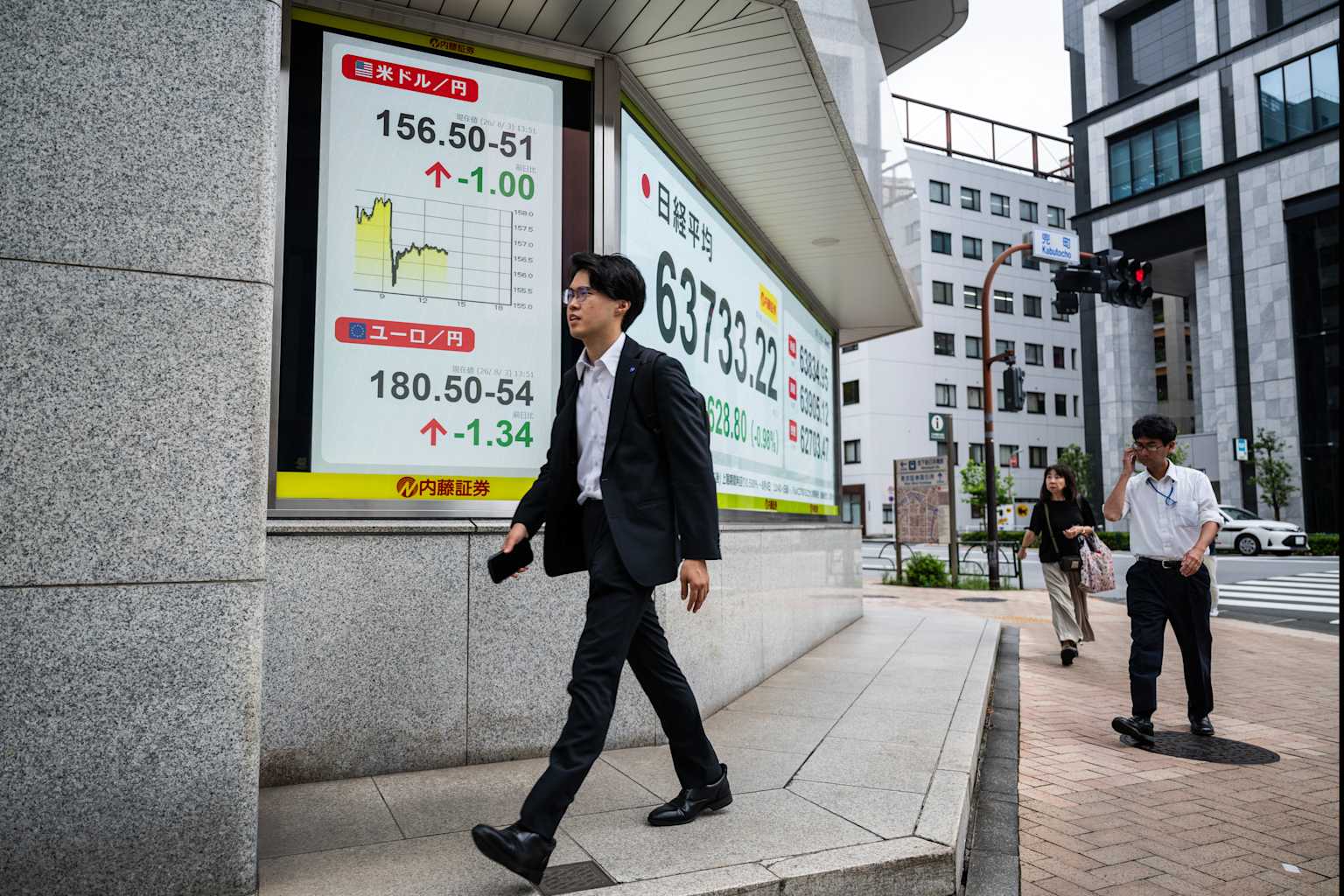
blscnbc+1instagramThe Japanese yen clung to modest gains against the US dollar on Wednesday, trading near 159 per dollar, after the Bureau of Labor Statistics reported that the Consumer Price Index rose just 0.1% month-over-month in July — a reading soft enough to temper expectations for continued Federal Reserve hawkishness and offer some relief to the battered currency.bls+1
The USD/JPY pair had been trading near 159.45 ahead of the release before pulling back slightly as traders digested the data. The annual inflation rate eased to 3.4% from 3.5% in June, while core CPI rose 0.2% on the month. The numbers arrive at a delicate moment for yen markets, barely two weeks after a historic intervention effort.fxstreet+2
The cooler inflation print extends a fragile window of stability for the yen following what CNBC described as the first U.S.-Japan joint operation to buy yen since 1998. On August 1, Tokyo and Washington launched a coordinated intervention after the yen spiraled toward 164 per dollar — levels not seen since 1986.reuters+2
The Japan Times reported that the joint action was partly motivated by Washington's desire to prevent its trade deficit from widening due to a weaker yen, while also avoiding a scenario in which Japan dumps U.S. Treasurys in solo interventions. Reuters reported that Bank of Japan data indicated Japan may have spent as much as $36.58 billion buying yen during the operation.japantimes+1
Yet the pair has already retraced much of the intervention's gains. By August 10, the dollar had climbed back to 159.30 against the yen, prompting questions about whether the intervention's effects are already waning.mtfxgroup
The fundamental driver of yen weakness — a wide interest rate differential between the U.S. and Japan — remains intact. The Bank of Japan has maintained its cautious approach to policy normalization, keeping rates far below those set by the Federal Reserve.cryptobriefing
UBS maintained a bearish yen call with a year-end target of 165, arguing that without a shift in the BOJ's perceived terminal rate, intervention alone cannot offset the structural rate gap. The Swiss bank characterized the path of least resistance for USD/JPY as still tilted higher.instagram
The CPI data does, however, raise the prospect that the Fed could begin easing later this year. Futures markets had already been pricing a high probability of a rate cut at the September meeting. A narrowing yield differential would remove some of the gravitational pull dragging the yen lower — but only if the Fed follows through.cryptorank
For now, 159 has become the market's psychological battleground, caught between the structural forces favoring dollar strength and the threat that Tokyo and Washington could intervene again.