Newsletter Subscribe
Enter your email address below and subscribe to our newsletter
[forminator_form id="25163"]

All voices matter
gristgristinsideclimatenewsFive heat waves since May have made the summer of 2026 the hottest on record for Western Europe, exposing vulnerabilities in the continent's energy infrastructure while deepening political divides over how to respond. Amid the crisis, solar power has emerged as the only major energy source to exceed expectations, stabilizing grids even as nuclear, gas, and hydropower faltered.
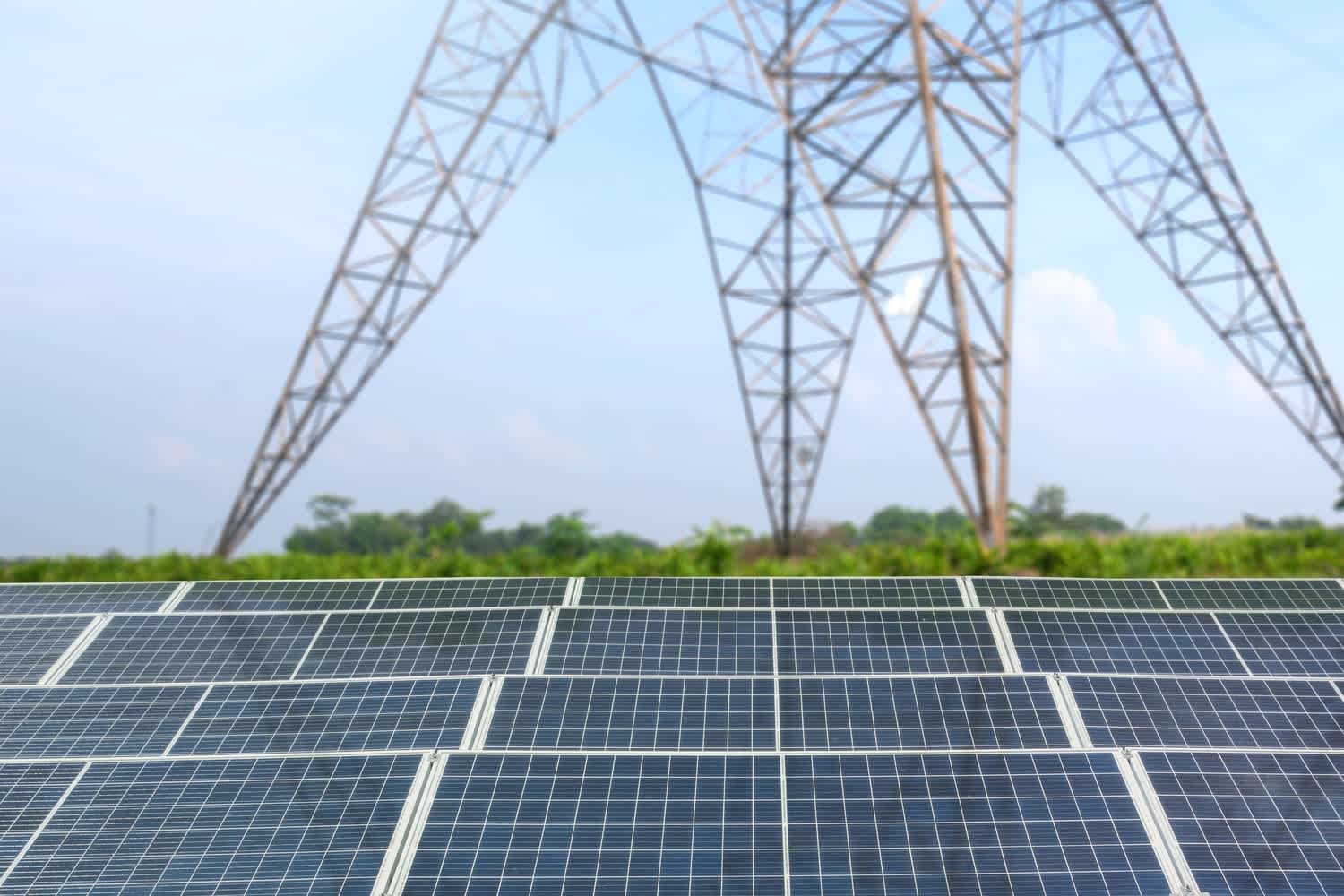
Europe's solar panels produced 17 percent more power during heat waves than under normal conditions, helping meet surging afternoon cooling demand, according to the energy think tank Ember. Other sources fared poorly: the United Kingdom saw five gas plants cut output by a combined 2.5 gigawatts as heat reduced cooling system effectiveness, while wind generation was halved by stagnant conditions in June. France lost 18 percent of its nuclear capacity to environmental constraints in mid-July, as warm, low rivers made it impossible to discharge cooling water within legal temperature limits. Europe's hydropower hit its lowest July output in a decade.grist
Battery storage proved critical in extending solar's benefits into evening hours, when air conditioning demand remained high. "This is why battery storage is becoming such an important part of the energy transition," said Walburga Hemetsberger, CEO of SolarPower Europe. The continent added 36 gigawatt-hours of battery capacity in 2025, a 48 percent increase over the prior year.grist
The combined June and July temperatures in Western Europe were the highest on record, according to the Copernicus Climate Change Service. The first heat surge in June caused an estimated 10,000 excess deaths across the continent. By mid-August, temperatures again exceeded 40°C across broad areas, with more than 135 million people facing temperatures above 35°C.science.nasa+2
Green parties and citizen groups have called for heat summits, while the EU Commission's planned heat and cooling strategy — expected in April — remains undelivered due to political gridlock. "There is a widening gap between the scale of Europe's heatwaves and the absence of decisive European action," said Vula Tsetsi, co-chair of the European Green Party.insideclimatenews
Only 23 percent of European households have air conditioning, compared to 90 percent in the United States. That gap contributes to far higher death rates during heat waves in European cities. In Austria, Green Party officials in Linz are pushing for emergency heat measures, while far-right parties have opposed adaptation projects and promoted climate disinformation.science.nasa+1
"We can't lose sight of the fact that we have to phase out fossil fuels because that's ultimately what's driving extreme heat," said Aaron Thierry, a Cardiff University researcher. "The science is trying to tell us this is super-urgent. It's transformational change that is needed, and our politics are not at that place yet".insideclimatenews