Newsletter Subscribe
Enter your email address below and subscribe to our newsletter
[forminator_form id="25163"]

All voices matter

reutersrigzoneoilpriceSenior executives from Shell and Equinor warned on Wednesday that the global energy market's ability to absorb supply disruptions from the Middle East is rapidly eroding, raising the prospect of further price spikes and a prolonged period of tight supply that could stretch well into 2027.
Speaking at an industry conference in Oslo, Adam Ritchie, chief economist at Shell Trading, said the world has lost roughly 36 million metric tons of liquefied natural gas — equivalent to the combined imports of Britain and France last year — as well as 1.6 billion barrels of crude oil and condensates since the U.S.-Israeli war with Iran began in late February. Equinor CEO Anders Opedal echoed the warning, saying consumers would feel the pain of thinning buffers "at least over the next months".reuters
Much of the disruption had initially been offset by weaker demand from China, inventory drawdowns, flexible shipping capacity and rising output from the Americas, Ritchie said. "But those shock absorbers are weakening," he added, warning that the longer the disruption persists, the greater the risk of future supply shocks.reuters
Even if energy chokepoints disrupted by the conflict were to reopen, bottlenecks across shipping, production and supply chains could delay a return to normal conditions well into 2027, Ritchie said. After that, restocking alone "will be expected to draw on supply well into next year, potentially beyond".reuters
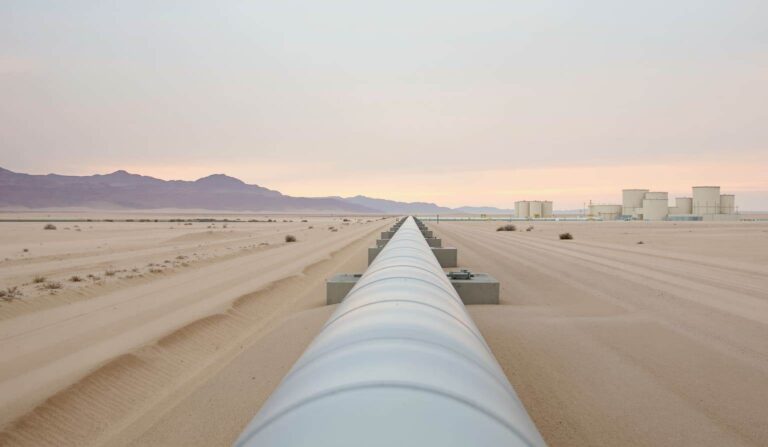
The warnings came as Brent crude hovered near triple-digit territory after approaching $110 a barrel earlier in the week. Standard Chartered Bank's Emily Ashford said the postponement of planned Hormuz shipping talks "rules out de-escalation for now," while drone attacks that shut Saudi Arabia's East-West pipeline have impaired a key bypass route for the Strait of Hormuz.globalbankingandfinance+1
The Saudi pipeline, which had allowed the Kingdom to reroute roughly 4 million barrels per day of crude exports from Persian Gulf terminals to the Red Sea port of Yanbu, was knocked offline by drone strikes launched from Iraqi territory on September 10–11. Reuters reported that Saudi Arabia could run out of export stocks at Yanbu within days if the pipeline is not restored. Chevron CEO Mike Wirth said on Friday that market buffers have been "played out" and prices could rise further.oilprice+2
Global observed oil inventories have plunged by 507 million barrels since February, averaging draws of 2.8 million barrels per day, according to the International Energy Agency's September report. The U.S. Strategic Petroleum Reserve has fallen to its lowest level since the early 1980s.oilprice
In Europe, gas storage levels sit far below seasonal averages ahead of winter, and prices will depend on weather, LNG flows through the Strait of Hormuz, and competition with Asia for cargoes, Opedal said. About 9 million barrels per day of Middle Eastern supply currently sits effectively offline, according to RBC Capital Markets' Helima Croft. As Ritchie put it: "The longer the disruption persists, the greater the risk."oilprice+1