Newsletter Subscribe
Enter your email address below and subscribe to our newsletter
[forminator_form id="25163"]

All voices matter
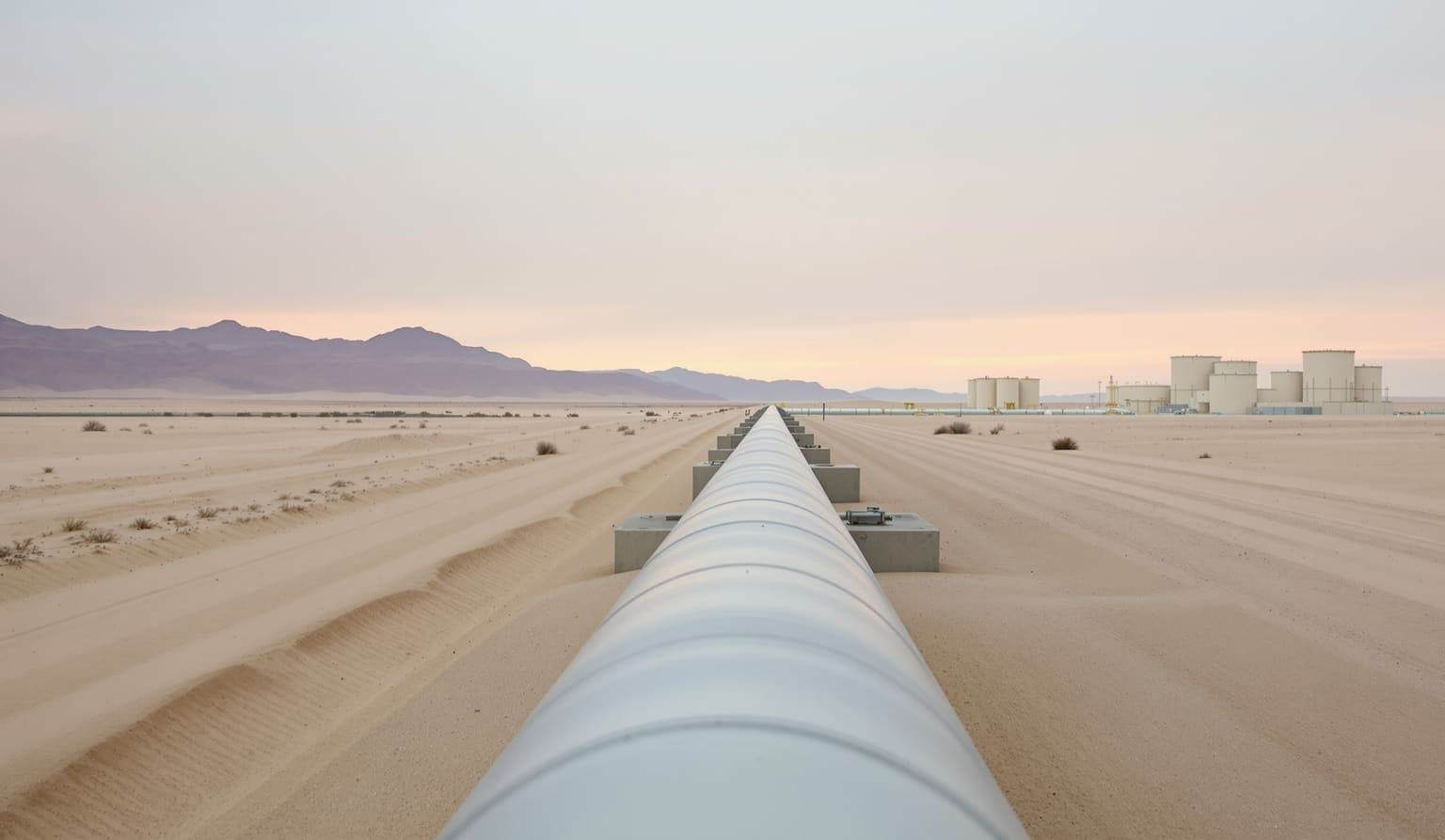
aa+1aljazeera+1grafa+1Oil prices dropped sharply on Wednesday as Washington moved to reassure markets that Saudi Arabia's damaged East-West pipeline could resume operations within days, unwinding much of the risk premium that had built up over the previous week.
Brent crude fell below $106 per barrel in midday trading, down roughly 4% from Tuesday's close, while West Texas Intermediate declined more than 3%. The selloff marked a reversal of Tuesday's rally, when both benchmarks had climbed on fears that Middle East supply disruptions would deepen further.aa+1
The catalyst was U.S. Energy Secretary Chris Wright, who told CNBC on Tuesday that crude should be flowing through Saudi Arabia's East-West Pipeline "within days." Speaking on the sidelines of a G20 energy meeting in Houston, Wright said, "It's still a detailed assessment, but I think it will be measured in days".reuters
Saudi Arabia shut the 1,200-kilometer pipeline on September 11 after drone strikes originating from southeastern Iraq hit sections in the Riyadh and Medina regions, according to Al Jazeera. No group has claimed responsibility, though Saudi officials blamed Iran-backed militias. The pipeline had served as the primary route for Middle Eastern crude exports over the past six months while the Strait of Hormuz remained largely restricted by the Iran conflict.aljazeera+1
Reuters reported that sources gave varying estimates for the repair timeline, with one saying damage could take five to six weeks to fix, while another said partial pumping could resume sooner. Capital Economics estimated that as much as 4% of global oil supply could be affected by the closure.cnn+1
The S&P 500 energy index fell 1.9% during the session. ExxonMobil Exxon Mobil Corporation and Chevron declined 2.1% and 1.8%, respectively, while ConocoPhillips , EOG Resources, Occidental Petroleum, and Diamondback Energy fell between 4.1% and 8%.grafa
Adding to the bearish tone, the U.S. Energy Information Administration reported that gasoline inventories rose by 800,000 barrels in the week ended September 11, against expectations of a 1-million-barrel draw, while distillate stocks climbed by 1.6 million barrels — far above the expected 100,000-barrel increase.ts2
Despite Wednesday's decline, Brent remained well above the roughly $72 level it traded at before the war with Iran. The EIA's September outlook projects Brent averaging about $90 in the second half of 2026, meaning the front-month contract still carried a double-digit percentage premium reflecting unresolved supply risks. Whether that gap narrows will depend on how quickly Saudi pipeline flows resume — and whether the Strait of Hormuz reopens to normal shipping.eia+1