Newsletter Subscribe
Enter your email address below and subscribe to our newsletter
[forminator_form id="25163"]

All voices matter

nytimesnbcnews+1reutersThe global economy entered a volatile new phase this week as oil prices hit $100 a barrel, the Trump administration imposed sweeping tariffs on 60 trading partners, and bond yields surged — reviving fears of stagflation not seen at this intensity since the early months of the U.S.-Iran conflict.
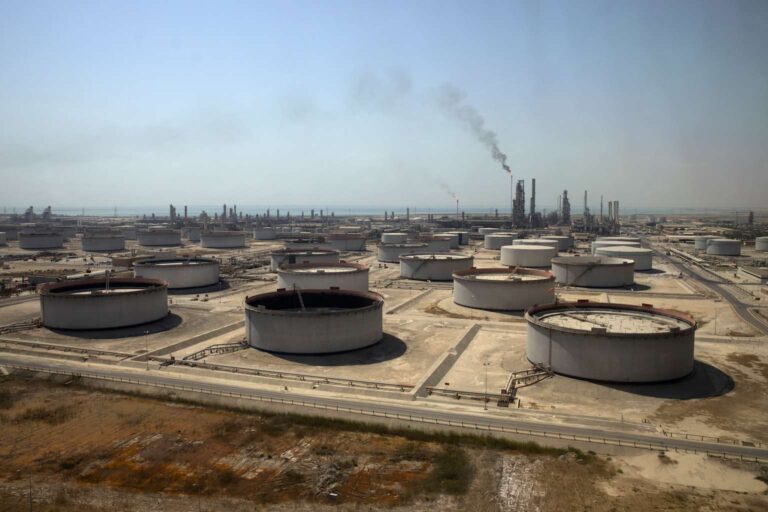
Global oil prices surged to $100 per barrel on Thursday for the first time since May, driven by the escalating conflict between the United States and Iran, which has disrupted energy supplies across the Persian Gulf and Red Sea, according to The New York Times. Analysts at RBC Capital Markets warned that a "full regional war" could push prices to $150 a barrel. European natural gas prices have rallied to their highest level since March, with Dutch TTF futures climbing above $700 per thousand cubic meters amid attacks on commercial shipping in the Strait of Hormuz.nytimes+1
The same day, the U.S. Trade Representative announced tariffs of 10% to 12.5% on goods from 60 trading partners — including the European Union, China, Canada, the United Kingdom, and Japan — effective at 12:01 a.m. Friday. The levies, justified under Section 301 of the Trade Act as targeting forced labor violations, replace a temporary 10% global tariff that expired at midnight. Automobiles, pharmaceuticals, oil and gas, and fertilizer are exempt.nbcnews+2
The European Central Bank held its deposit facility rate at 2.25% on Wednesday, pausing after its surprise quarter-point hike in June — the first ECB tightening since 2023. Markets are now pricing in roughly two additional quarter-point increases by year-end, with the next hike widely expected in September.economictimes+3
U.S. Treasury yields have climbed sharply in response. The 10-year yield reached 4.67% as of July 22 according to Federal Reserve data, with CNBC reporting intraday highs above 4.70%. The 30-year fixed mortgage rate rose to 6.81% on Thursday, its highest level in weeks, according to Mortgage News Daily.cnbc+2
World Bank chief economist Indermit Gill told Reuters Thomson Reuters Corporation on Tuesday that a worst-case escalation could slash global growth to just 1.3% in 2026 — more than halving the 2.9% pace recorded last year — while pushing worldwide inflation to 4.5%. The bank's June baseline already forecast growth slowing to 2.5%.worldbank+1
The convergence of energy shocks, trade barriers, and tightening financial conditions presents policymakers with a dilemma that defined the 1970s: how to fight inflation without crushing growth. As Gill warned Reuters, the longer the Middle East conflict persists, the narrower that path becomes.reuters