


Newsletter Subscribe
Enter your email address below and subscribe to our newsletter

All voices matter
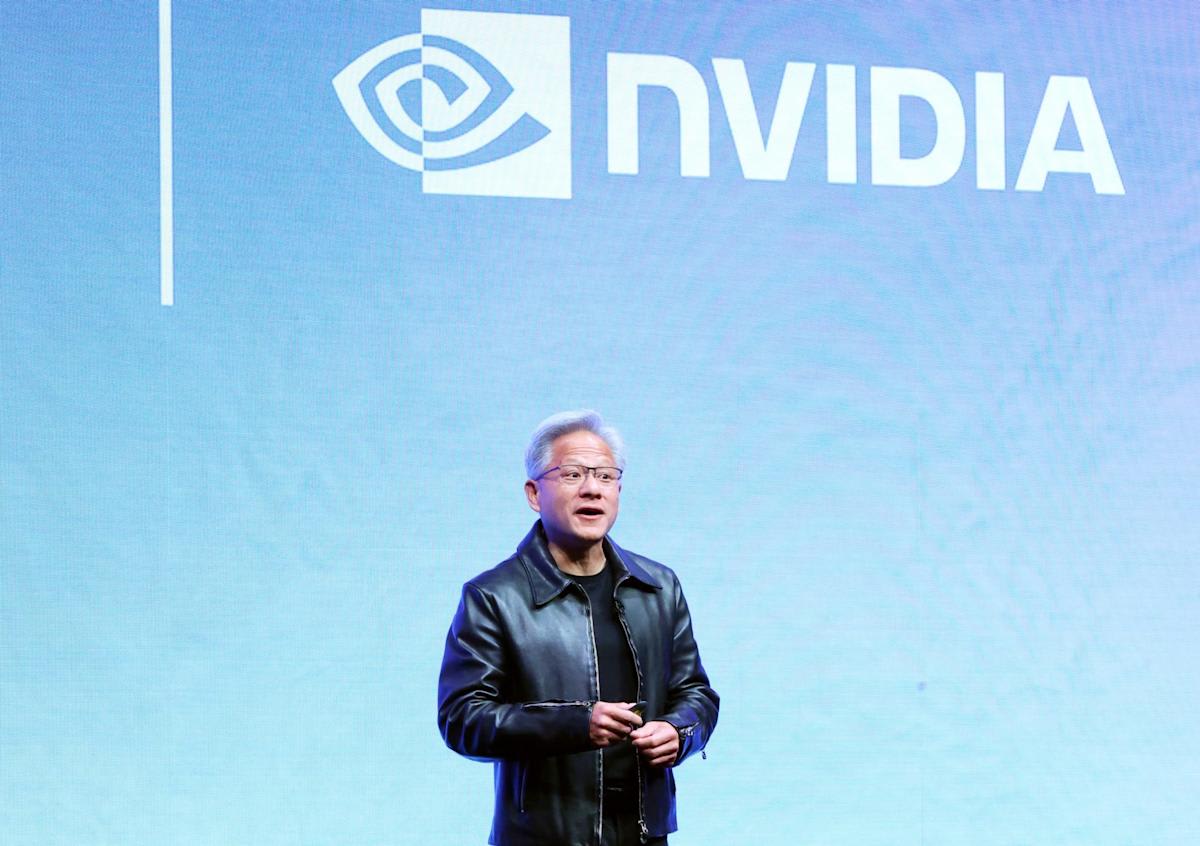
tradingview+1trendforcetrendforceNvidia shares fell on Monday after a Bloomberg Intelligence survey revealed that Chinese technology companies plan to allocate 46% of their artificial intelligence accelerator budgets to domestic chips over the next 12 months, up from 30% currently. The findings underscore how U.S.-China tensions are reshaping the global AI chip market at Nvidia's expense.tradingview+2
The Bloomberg Intelligence report, released Tuesday, surveyed Chinese executives who signaled a 16-percentage-point swing toward locally produced silicon within a single year. The shift comes after Chinese authorities effectively barred the use of Nvidia's H20 chip — once the company's primary offering for the Chinese market — and discouraged domestic firms from purchasing American-made AI accelerators.reddit+2
CEO Jensen Huang acknowledged last year that Nvidia's share of China's new AI GPU market has collapsed from roughly 95% to zero. "At the moment, we are 100% out of China," Huang said during an appearance at Citadel Securities' Future of Global Markets event in October 2025. Investment bank Bernstein has projected that Nvidia's share of the Chinese AI semiconductor market will fall to around 8% in 2026, down from approximately 40% the prior year, with Huawei's share expected to surpass 50%.trendforce+2
The stock has now lost roughly $1 trillion in market value in less than two months, tumbling 16% since hitting an all-time high on May 14, according to Yahoo Finance. That decline has pushed Nvidia's valuation to its cheapest level since before the AI boom began.finance.yahoo
Even a May agreement in which the U.S. cleared roughly ten Chinese companies to purchase Nvidia's H200 chips has failed to translate into actual sales, as Chinese enterprises have hesitated following guidance from Beijing, according to Reuters. Meanwhile, companies including ByteDance are reportedly in talks to source AI inference chips from domestic suppliers such as Iluvatar CoreX and Baidu's Kunlunxin unit.reuters+1
Eighty percent of surveyed Chinese executives said their total infrastructure spending is running over budget this year, driven by AI-related costs. The push toward domestic procurement aligns with Beijing's goal of having at least 80% of core technologies, including chips, supplied by domestic companies. For Nvidia, which once generated $17 billion in annual revenue from China alone, the decoupling represents a structural challenge that export-control diplomacy has so far failed to resolve.aiweekly+2


