Newsletter Subscribe
Enter your email address below and subscribe to our newsletter
[forminator_form id="25163"]

All voices matter
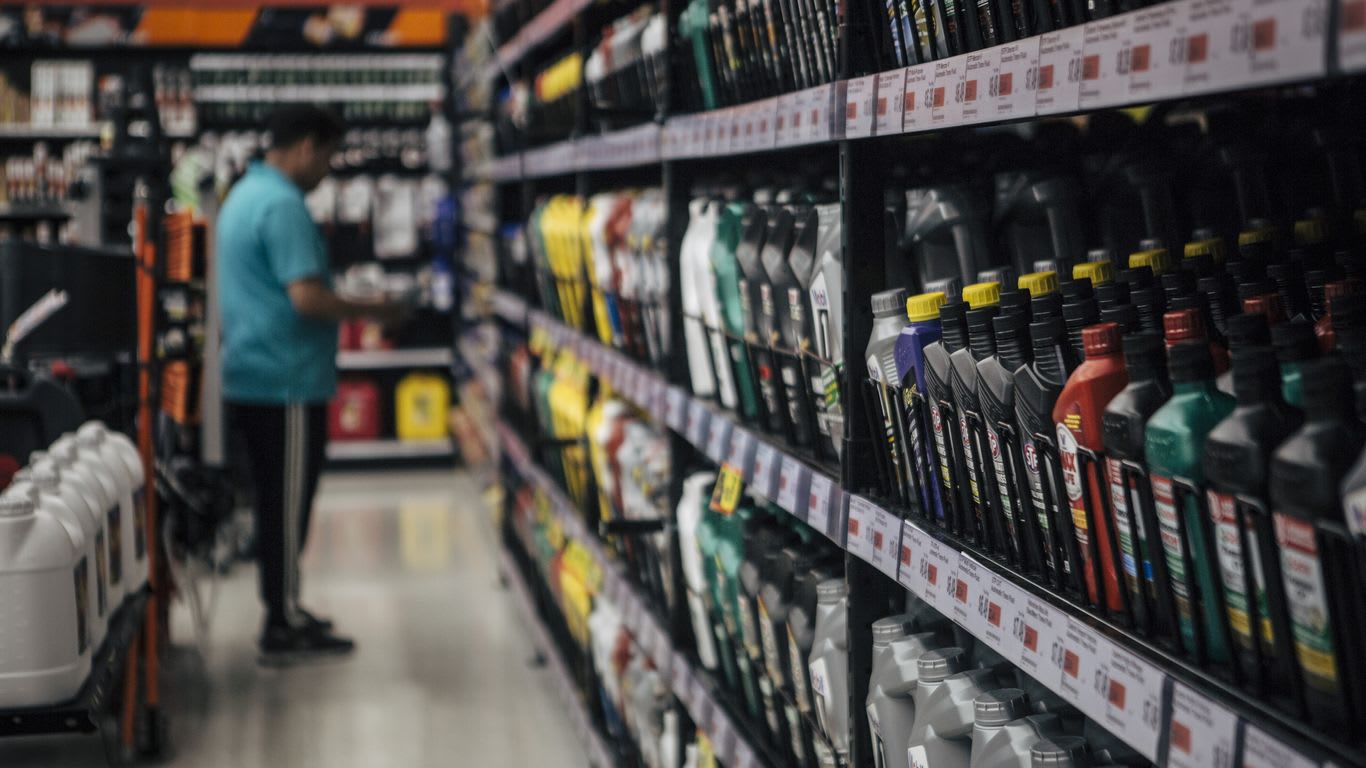
lubesngreasesworldoil+1hokanews+1Nearly six months after the U.S.-Israel-Iran conflict erupted in late February 2026, the Strait of Hormuz remains effectively closed to normal commercial shipping, and the consequences are now reaching well beyond crude oil into petrochemicals, plastics, fertilizers, and the global motor oil supply chain.
The motor oil market has emerged as one of the crisis's most unexpected casualties. Shell's Pearl gas-to-liquids facility in Qatar — a major global source of Group III base oils used in synthetic motor oils — sustained extensive damage during Iran's March 18 attack on Ras Laffan Industrial City and is expected to require approximately one year for repairs. The loss of that capacity, combined with the closure of the strait blocking exports from other Gulf refineries, has driven European Group III base oil prices from roughly €1,260 per tonne at the end of February to approximately €3,270 per tonne by mid-June.hokanews+2
The Independent Lubricant Manufacturers Association formally requested emergency relief from the American Petroleum Institute in March, warning that spot availability had "largely disappeared" and remaining supply was being placed on allocation. Speakers at a recent Society of Tribologists and Lubrication Engineers conference warned the full impact has been masked by inventory drawdowns that are now running out, predicting shortages of finished lubricant products.ilma+1
Major automakers including Volkswagen, Stellantis , and Toyota are adapting by seeking alternative sources and reformulating certain lubricants, with Volkswagen's Japanese retail operation publicly acknowledging supply delays.hokanews
The broader petrochemical sector faces similar constraints. Around 84 percent of Middle East polyethylene capacity relies on the strait for waterborne exports, with Saudi Arabia's key hub at Al Jubail sitting inside the Persian Gulf. Saudi petrochemical companies listed on the Saudi Exchange cut their combined net losses by more than 50 percent in the first half of 2026 to 1.7 billion Saudi riyals, down from about 3.4 billion riyals a year earlier, according to Arab News. Companies cited supply-chain disruptions and lower sales volumes alongside improved operating efficiency.arabnews+1
The crisis extends into fertilizers, industrial gases, and container shipping. The Persian Gulf accounts for roughly 30 to 35 percent of global urea exports, and urea prices at the New Orleans hub rose from $475 to $680 per metric ton. Qatar's LNG processing is also a major source of neon, helium, and other rare gases critical to semiconductor manufacturing and medical technology.topnews
A Congressional Research Service report updated this month confirmed that Iranian efforts to assert control over the strait continue to disrupt commercial shipping, while Reuters reported that Hormuz traffic slowed further in mid-August after the United States threatened additional economic pressure on Iran. Industry analysts warn that recovery could take considerable time, particularly as base oil inventories deplete and alternative supply routes remain insufficient to replace lost Gulf capacity.congress+2