Newsletter Subscribe
Enter your email address below and subscribe to our newsletter
[forminator_form id="25163"]

All voices matter

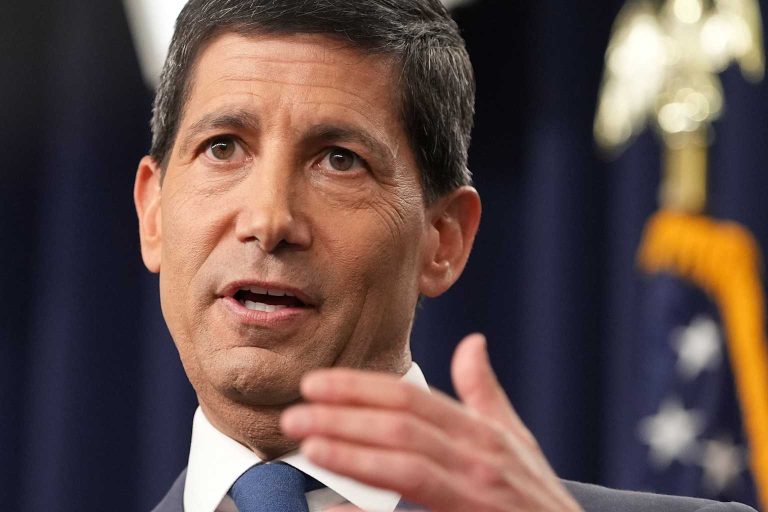
reutersfortunemarketplace+1The International Monetary Fund's chief economist Pierre-Olivier Gourinchas warned Friday that the artificial intelligence investment boom is fueling inflationary pressures not just through surging demand for chips and energy, but through a wealth effect driven by soaring stock market valuations.
Speaking in Washington, where he also addressed the continued dominance of the dollar in global trade, Gourinchas highlighted how AI-related stock gains are making consumers wealthier and more willing to spend — adding to price pressures that central banks are already struggling to contain.money.usnews+1
The warning builds on a theme Gourinchas has developed over the past year. In October 2025, he noted that "gains in AI-related stock values have lifted Americans' wealth and fueled consumer spending," cautioning that hotter spending and investment "could push central banks to raise interest rates over time."pbs+1
Reuters reported in January that AI-driven inflation was "2026's most overlooked risk," noting that the wealth effect — in which higher asset prices make consumers more willing to spend — was part of the inflationary story alongside direct demand for chips and data center materials.facebook+1
The AI investment surge has created what Morgan Stanley's midyear outlook described as a cycle in which "investments related to artificial intelligence and spending by wealthier consumers are boosting growth" in the United States. UBS estimates that AI adoption is pushing up core inflation by 0.4 percentage points, according to Marketplace.morganstanley+1
The wealth effect is particularly visible in South Korea, where the Kospi has risen more than 86% this year, driven by semiconductor giants Samsung Electronics and SK Hynix, whose shares have surged 144% and nearly 200% respectively since January.cnbc
The Bank of Korea flagged this concern in a June 17 report, noting that "performance-based bonuses have increased significantly" in the chip sector, warning that such income increases "may expand household consumption capacity" and create inflationary pressures through both cost and demand channels.fortune
South Korean chipmakers have paid bonuses averaging around $410,000 at Samsung and potentially exceeding $450,000 at SK Hynix, prompting the central bank to consider rate increases — a scenario Fitch flagged as a possibility in May.reuters+1
The backdrop to Gourinchas's warning is an environment where U.S. consumer price inflation has climbed above 4%, and markets are pricing in a roughly 30% chance of a Federal Reserve rate hike at the July meeting. A survey released this week by the National Association for Business Economics found that more than 80% of economic forecasters believe AI buildout will be inflationary over the next year.marketplace+2
The IMF's April World Economic Outlook projected global headline inflation would "rise modestly in 2026 before resuming its decline in 2027," a notable shift from January forecasts that anticipated a steady decline.imf