


Newsletter Subscribe
Enter your email address below and subscribe to our newsletter
[forminator_form id="25163"]

All voices matter
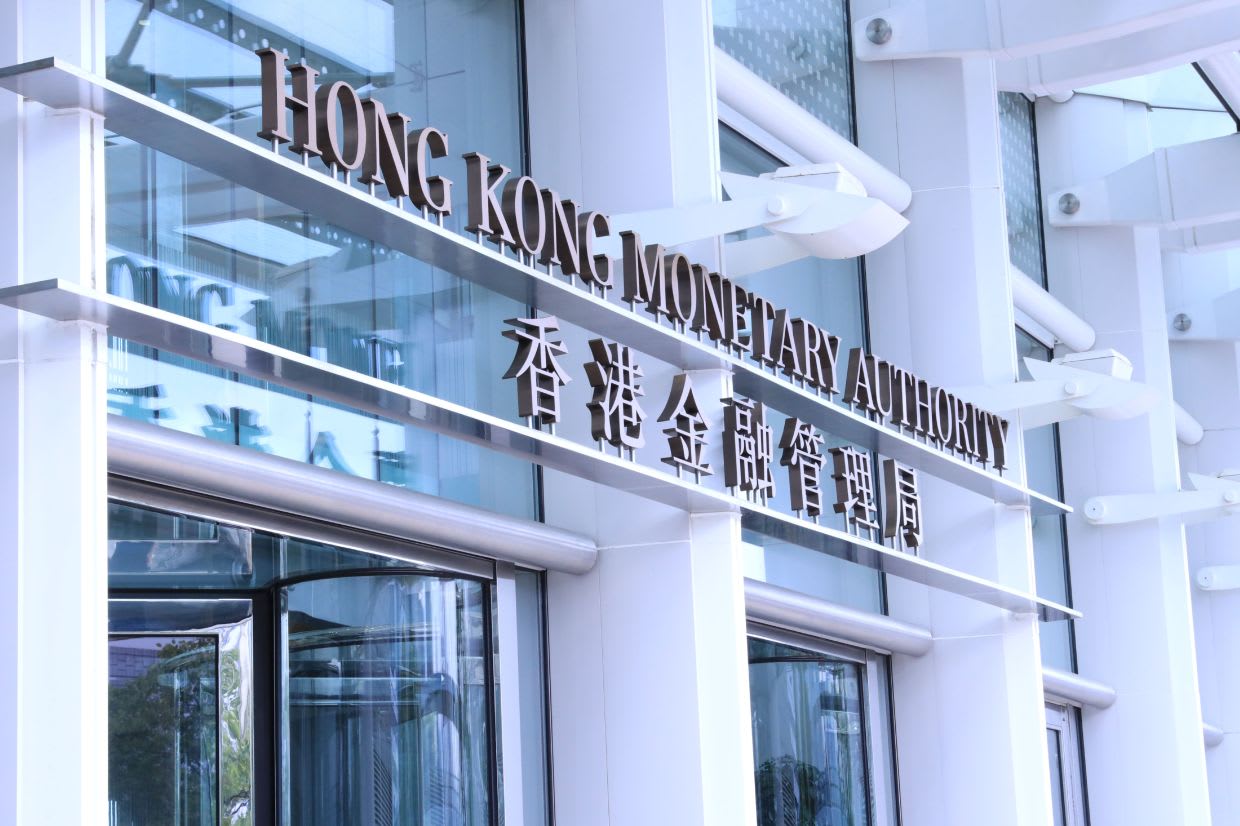
hkma+1bloombergmorningstar+1The Hong Kong Monetary Authority raised its base rate by 25 basis points to 4.25% on Thursday, tracking the U.S. Federal Reserve's first interest rate increase in more than three years and sending ripples across Asian financial markets.hkma+1
The HKMA's move, its first hike since July 2023, was automatic under the city's currency peg system, which requires Hong Kong's de facto central bank to move in lockstep with the Fed to protect the local dollar's link to the greenback. The HKMA said the Fed's decision "reflects the Committee's concerns about the outlook on inflation" and noted that Hong Kong's monetary and financial markets "have continued to operate in an orderly manner," though it warned that the widening HKD-USD interest rate differential could attract carry trade activity.reuters+2
Hong Kong property developers bore the brunt of the rate increase. The Hang Seng Index's property sub-gauge fell as much as 2.4%, heading for its lowest close since early January, according to Bloomberg. Sun Hung Kai Properties and Hang Lung Properties led the decline, each losing at least 3.4%. The selloff reflected concerns that higher borrowing costs could undermine a housing market recovery that had been unfolding since last year.bloomberg+1
The Federal Reserve on Wednesday voted unanimously to raise its benchmark rate by a quarter point to a target range of 3.75%-4%, a move widely anticipated by markets. Fed Chair Kevin Warsh joined the unanimous decision as new projections showed the policy rate rising to 4%-4.25% by year-end, with the longer-run neutral rate revised up to 3.25% from 3.06% in June.cnbc+2
Strategists warned the Fed's hawkish stance would weigh on Asian currencies. The yen weakened past 155 per dollar in late Asian trade Thursday, a notable slide from around 153 at the start of the week, as higher U.S. yields bolstered the greenback. The pressure comes ahead of the Bank of Japan's two-day policy meeting that began Thursday and concludes Friday, where markets are pricing in a near-certain 25-basis-point hike to 1.25%. MUFG Research flagged the Thai baht and Indonesian rupiah as particularly vulnerable to further depreciation, noting that a "higher-for-longer Fed policy rate backdrop could weigh on Asian currencies".morningstar+2


