



Newsletter Subscribe
Enter your email address below and subscribe to our newsletter
[forminator_form id="25163"]

All voices matter
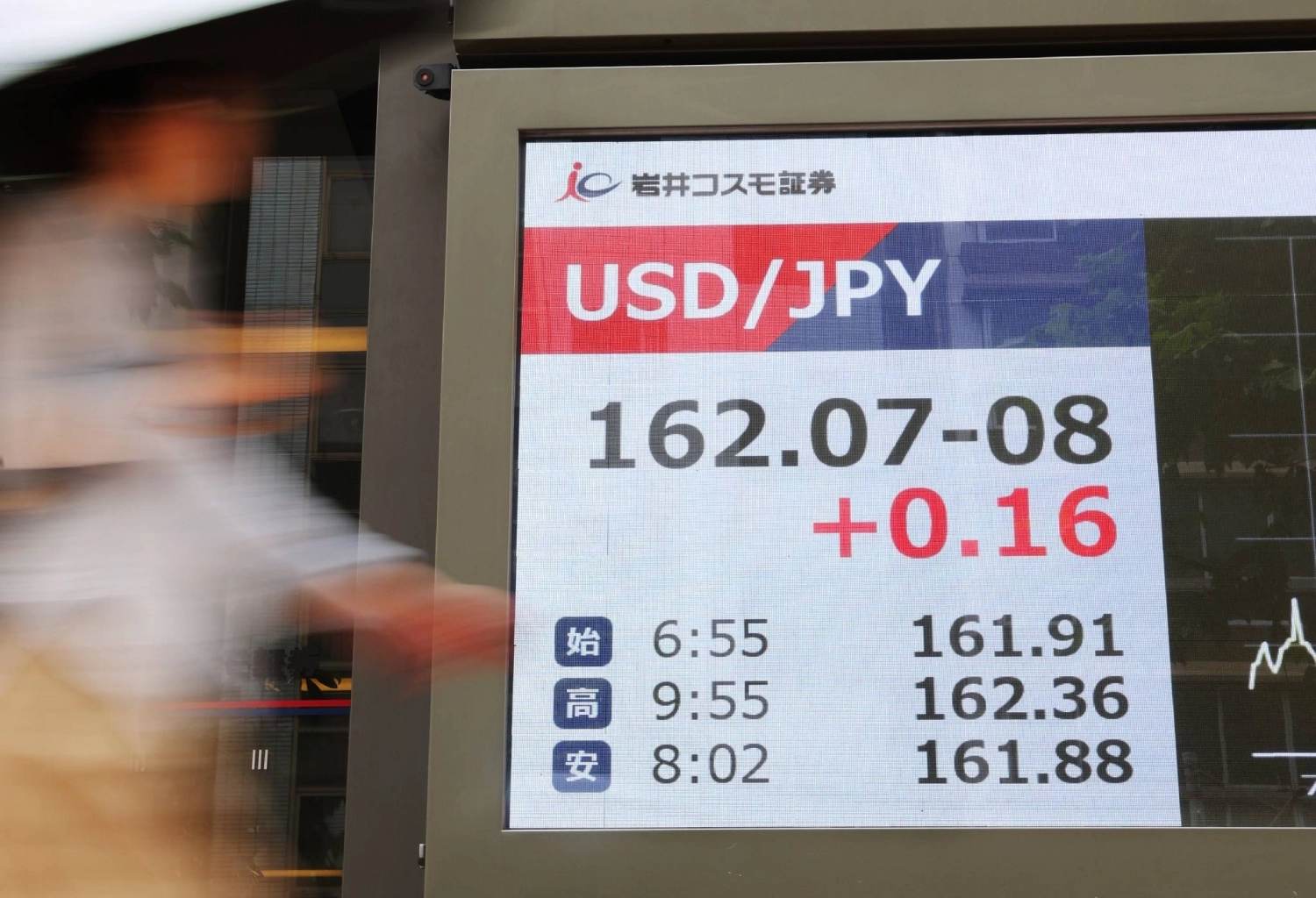
kucoin+1tradingeconomics+1cnn+1Hedge funds have amassed their largest bearish bet against the Japanese yen in nearly two decades, as the currency slides to levels not seen since 1986 amid a widening interest rate gap between the United States and Japan.
Data from the Commodity Futures Trading Commission shows that leveraged funds raised their net short positions on the yen to approximately 138,000 to 146,000 contracts as of the week ending June 30, the most bearish positioning since 2007. The USD/JPY pair has pushed past 162, its weakest level in four decades.kucoin+4
The buildup reflects a broad macro trade rooted in interest rate differentials. The United States continues to offer meaningfully higher yields than Japan, making dollar-denominated assets more attractive to global capital. Goldman Sachs The Goldman Sachs Group, Inc. has projected USD/JPY to reach 165 over the next 12 months.stonex+2
The yen carry trade — borrowing in cheap yen to invest in higher-yielding assets elsewhere — is one of the most consequential strategies in global finance. With positioning this extreme, any forced unwind could ripple across markets. In 2024, a modest Bank of Japan rate hike triggered a sharp reversal that sent leveraged funds scrambling to cover short positions.reuters+1
Net long positioning in the U.S. dollar has also surged, with net long positions rising by roughly $37 billion in the first half of 2026, the fastest first-half increase since the CFTC began tracking the data.binance
Japan's finance minister has reiterated that authorities could intervene in the currency market at any time, following record-scale intervention to support the yen from late April to May. CNN reported that the yen's decline has put investors on watch for government action that could ripple through U.S. stocks, Treasuries, and the broader global economy.bitget+1
The Bank of Japan faces a difficult tradeoff: raising rates would strengthen the yen and ease import-driven inflation, but would increase borrowing costs for a government carrying one of the largest debt-to-GDP ratios in the developed world. The last time speculative positioning was this extreme, in 2007, global markets were roughly a year away from a financial crisis.kucoin+1


