Newsletter Subscribe
Enter your email address below and subscribe to our newsletter
[forminator_form id="25163"]

All voices matter
economictimeseconomictimesreutersEurozone government bond yields pulled back from multi-year highs on Tuesday as oil prices declined sharply, with investors viewing the latest U.S. sanctions against Iran as a less disruptive outcome than further military escalation in the Middle East.
Germany's 10-year bond yield, the benchmark for the eurozone, fell 3 basis points to around 3.22%, retreating from a 15-year high of 3.275% reached the prior week. The German 30-year yield also eased, dropping 2 basis points to 3.728% after touching a 15-year high. French 30-year bond yields fell 4 basis points to 4.862%, pulling back from an 18-year high of 4.923% hit on Monday.economictimes
Brent crude fell roughly 3% to $89.40 a barrel, down from a one-month high of $94.80 reached last Friday, as markets assessed U.S. sanctions that Washington said would cut Iran's economic lifeline. "The sanctions were not immediate and serve more as a threat to Iran rather than immediate action," said Mohit Kumar, chief European economist at Jefferies . "Bessent also kept the negotiation route open."economictimes
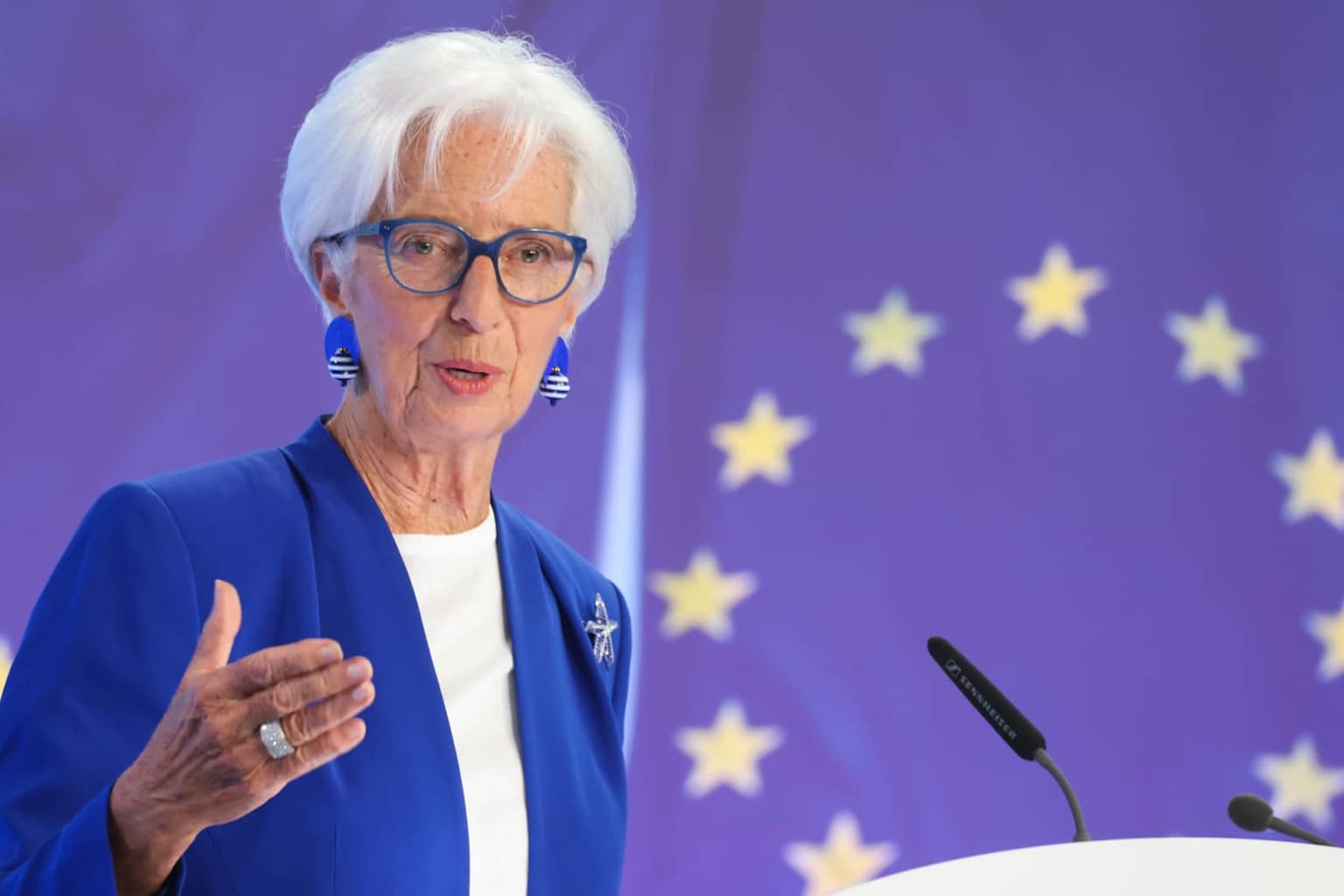
The oil-driven relief partially offset hawkish signals from the European Central Bank. Reuters Thomson Reuters Corporation reported that ECB policymakers are prepared to raise rates at their September 10 meeting — from 2.25% to 2.50% — but have little appetite to signal further tightening beyond that. ECB board member Isabel Schnabel separately told Bloomberg that rates "must rise further" as the conflict drags on and the eurozone economy remains resilient.finimize+1
Money markets priced in about 43 basis points of further ECB tightening by year-end, down slightly from Monday but up from 41 basis points at the start of last week. Traders put the probability of a September hike at roughly 93%.economictimes+1
Supporting the case for continued tightening, revised data showed Germany's economy grew 0.3% in the second quarter, above a preliminary reading of 0.2%, while German business morale hit its highest level in a year in August. The combination of resilient growth and elevated energy costs has kept rate expectations firm even as the immediate geopolitical premium in oil prices faded.economictimes
The result has been a steepening of the German yield curve, with the spread between 10-year and 2-year yields widening — a dynamic that feeds directly into how markets price euro-area bank profitability and rate-sensitive equities.finimize