Newsletter Subscribe
Enter your email address below and subscribe to our newsletter
[forminator_form id="25163"]

All voices matter
investing+1wsj+1investing+1Euro zone government bond yields edged lower on Thursday as oil prices steadied, though borrowing costs remained near seven-week highs following a sharp selloff triggered by renewed U.S.-Iran tensions earlier in the week.
Germany's 10-year Bund yield slipped modestly on Thursday after surging approximately 8.5 basis points the prior session to 3.072%, its highest level since mid-June. The partial recovery came as crude oil prices stabilized following their surge past $79 per barrel on Wednesday, when Brent crude jumped 7% after President Donald Trump declared the U.S.-Iran ceasefire was "over".investing+2
The selloff on Wednesday extended across global bond markets. U.S. 10-year Treasury yields rose to 4.59%, while the U.K. 10-year gilt yield reached 4.909%. The Wall Street Journal News Corp reported that yields across major government bond markets hit four-week highs as military tensions in the Middle East pushed energy prices higher.finance.yahoo+2
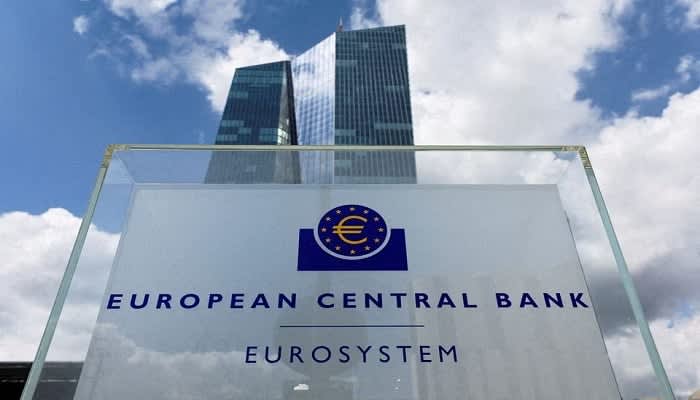
Money markets responded to the energy shock by increasing bets on further European Central Bank Euronext N.V. monetary tightening. Pricing moved to roughly 36 basis points of additional rate hikes by year-end, up from 25 basis points earlier in the week. Germany's 2-year bond yield, sensitive to ECB policy expectations, also rose 9 basis points on Wednesday to 2.682%.investing
Deutsche Bank noted that European assets remain highly sensitive to the renewed energy shock, with hawkish repricing of ECB policy accelerating alongside the bond selloff. A Bloomberg survey from May had already forecast two quarter-point ECB hikes in 2026, in June and September. The ECB raised its deposit rate to 2.25% in June, citing inflation pressures from the Middle East conflict.cnbc+3
The latest bout of volatility underscores how exposed European fixed-income markets remain to the U.S.-Iran conflict, which has periodically disrupted oil flows through the Strait of Hormuz since early 2026. S&P Global warned in late June that the energy shock had rekindled stagflation risks across Europe, while the ECB's own revised forecasts project headline inflation averaging 3.0% this year.thecorner+3
The ECB's next policy meeting is scheduled for July 23, with the September 10 meeting now seen as the most likely occasion for another rate increase.global.morningstar