Newsletter Subscribe
Enter your email address below and subscribe to our newsletter
[forminator_form id="25163"]

All voices matter
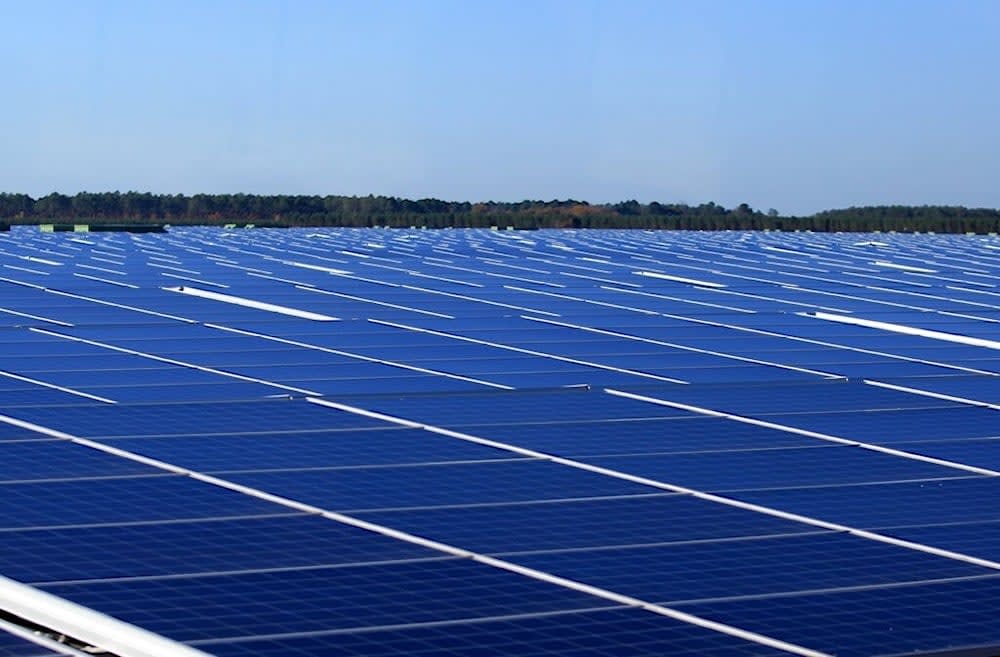
pv-tech+1woodmac+1euperspectivesThe European Union's decision to block public funding for solar inverters from China and other countries it deems "high risk" stands to affect roughly 14% of the bloc's forecasted solar demand through the end of the decade, according to an analysis published this week by Wood Mackenzie. The restriction, which took effect on May 1, could shift more than 28 gigawatts of photovoltaic inverter demand away from Chinese suppliers between 2026 and 2030.woodmac+1
The European Commission's policy bars EU financing instruments — including the European Investment Bank and the European Investment Fund — from supporting renewable energy projects that use inverters manufactured in China, Russia, Iran, or North Korea. The restriction covers solar, wind, and battery energy storage systems, with about 12% of forecast energy storage deployments also affected over the same period.pv-tech+2
Chinese manufacturers accounted for more than 80% of inverter shipments to Europe in 2025, according to Wood Mackenzie. The ban applies to projects still in development, not to the more than 200 gigawatts of Chinese-made inverter capacity already embedded in Europe's grid. Brussels cited cybersecurity concerns, warning that internet-connected inverters could provide a backdoor for foreign actors to remotely disrupt or shut down electricity systems.woodmac+2
Countries in Central and Eastern Europe — where EU funding plays a larger role in clean energy deployment — face the greatest exposure. Romania, Bulgaria, Czechia, the Baltic states, and Greece are among the most affected markets. The restriction also extends to EU-financed projects outside the bloc, including in North Africa, the Middle East, and the Western Balkans, where installations connect to the European grid.woodmac+1
"This ban represents a meaningful shift, around 4 to 5 GW per year of demand moving away from Chinese vendors through 2030," said Juan Monge, a principal analyst at Wood Mackenzie. "But roughly 80% of European solar and storage demand flows through private and nationally funded channels, where Chinese inverter dominance will remain intact for now".renewablesnow+1
While the cost premium for European-made inverter alternatives ranges from 2% to 8% of total project costs depending on the segment, analysts warn that procurement complications and the forced unbundling of integrated battery-inverter systems pose additional hurdles, particularly in price-sensitive markets. The Commission is also urging EU member states to adopt the same restrictions for nationally funded projects, a step that would widen the scope of disruption considerably.woodmac
A broader legislative push is underway: a proposed revision to the EU Cybersecurity Act, introduced in January 2026, could extend the ban to cover all solar inverters and storage power conversion systems regardless of funding source. That proposal is currently in its first reading in the European Parliament.euperspectives+1