Newsletter Subscribe
Enter your email address below and subscribe to our newsletter
[forminator_form id="25163"]

All voices matter
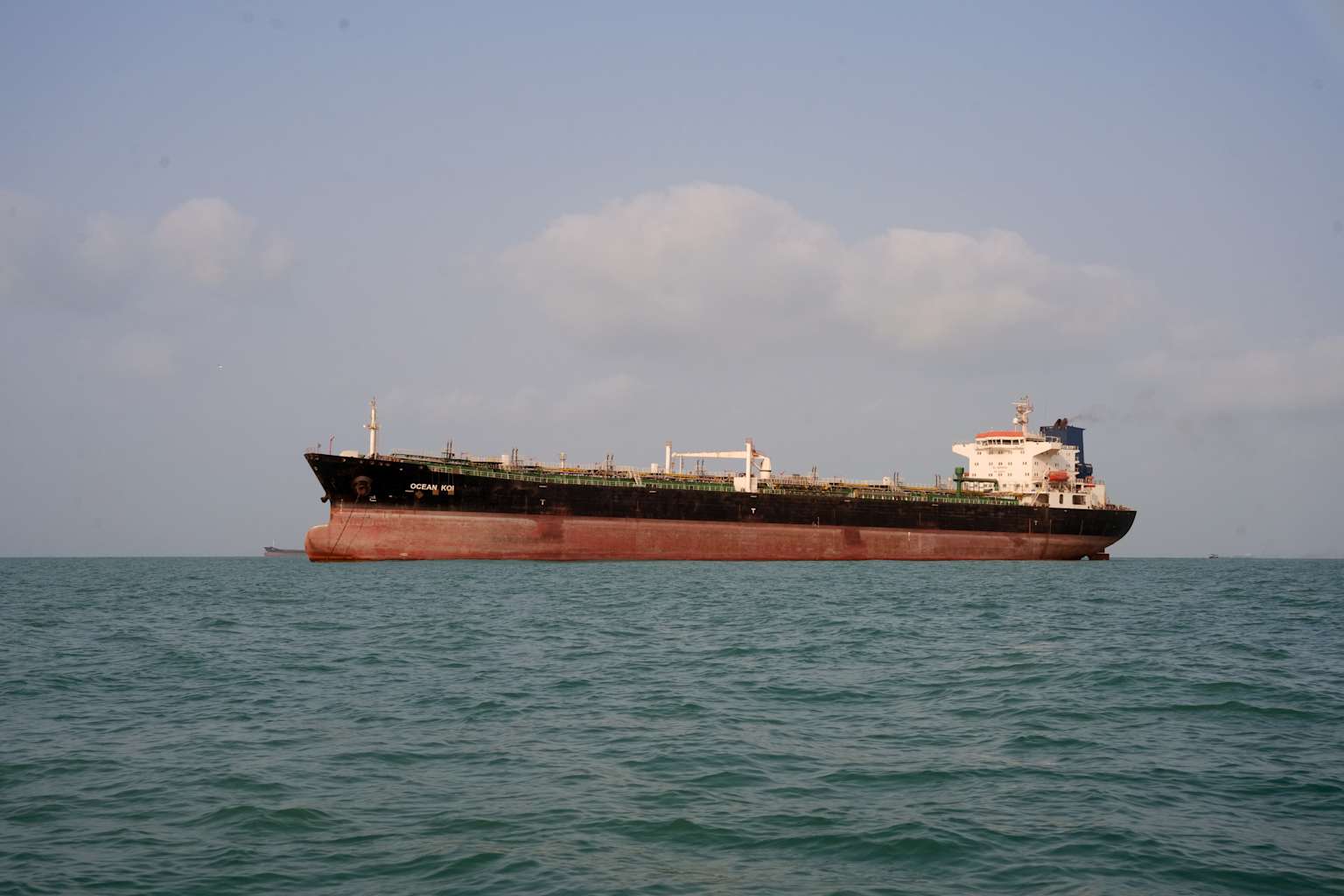
bloombergtbsnews+1tbsnewsMiddle Eastern oil producers are quietly ferrying large volumes of crude out of the Persian Gulf through covert channels, helping contain energy prices even as the U.S.-Iran war stretches into its sixth month with no resolution in sight. The shipments, moving undetected through the Strait of Hormuz to transfer points in the Gulf of Oman, are running at full capacity despite recent attacks on vessels, according to Bloomberg.bloomberg
The covert flows have helped prevent the kind of catastrophic price spike many analysts feared when Iran moved to block the strait in late February. After surging past $100 a barrel in March and peaking around $126 in April, Brent crude has since retreated, though it has climbed again in recent weeks amid stalled U.S.-Iran negotiations.aljazeera+1
But even as covert oil movements ease short-term supply fears, the underlying math is growing more precarious. Saudi Aramco estimates the world has lost 2.6 billion barrels of oil since the war began — the largest cumulative supply disruption on record apart from the 1979 Iranian revolution, according to Reuters.tbsnews+1
IEA emergency reserves and commercial stocks together stand at roughly 1.5 billion barrels, enough to cover the estimated daily supply gap of 5 million barrels per day for about 300 days. However, the IEA cannot compel the release of commercial stocks held by refiners, leaving only about 900 million barrels in government-controlled reserves — a 180-day cushion at current draw rates.reuters+1
In the United States, the situation is more strained. The U.S. Government Accountability Office warned in May that deteriorating infrastructure at the Strategic Petroleum Reserve has rendered roughly a quarter of its remaining stocks inaccessible, leaving perhaps 200 million barrels available — enough for just 40 days of the current supply gap.tbsnews
Diesel and jet fuel inventories are at the bottom of their five-year range, according to Morgan Stanley , with damage to Middle Eastern and Russian refineries hitting those fuels particularly hard. A further IEA stock release is unlikely, as many member countries have limited reserves remaining, according to Christian Egeland of Energy Aspects.tbsnews
China remains a wildcard. Energy Aspects estimates Beijing held nearly 1.7 billion barrels of crude in July — enough to cover its pre-war Strait of Hormuz imports of about 5.5 million barrels per day for almost a year. But China does not disclose its reserves, and estimates from consultancies range widely, from 1.0 billion to 1.7 billion barrels.tbsnews
"The depletion of inventories has reduced the buffer against supply shocks, leaving the oil market vulnerable to sharp price rises," said Hamad Hussain of Capital Economics.tbsnews