Newsletter Subscribe
Enter your email address below and subscribe to our newsletter
[forminator_form id="25163"]

All voices matter
reuters+1bloomberg+1qatar-tribuneChina's sweeping campaign to tax offshore wealth is sending shockwaves through the financial lives of the country's ultra-rich and into the global luxury market, as new rules impose a 20% levy on offshore trust assets and enforcement efforts expand to other forms of overseas income.
Rules enacted on July 24 by China's Ministry of Finance and State Taxation Administration impose a 20% individual income tax on the appreciation of assets transferred into offshore trusts and a 20% annual tax on trust income, according to Reuters . Unpaid taxes on assets placed in trusts since January 2023 and on trust income received before 2026 must be settled within 90 days — by October 21 — or face penalties.reuters+2
The measures have triggered a scramble among wealthy Chinese to assess their liabilities and revamp investment holdings. At stake is up to $1.2 trillion held by mainland Chinese ultra-high-net-worth individuals in markets including Hong Kong and Singapore, according to a BCG report cited by Reuters. More than half of China's super-rich use offshore family trusts to manage their wealth, reports from Julius Baer and KPMG showed.reuters+1
"There's no running away from this; no way to restructure," said Singapore-based lawyer Ryan Lin. "The only way is to not declare and unwind the trust."qatar-tribune+1
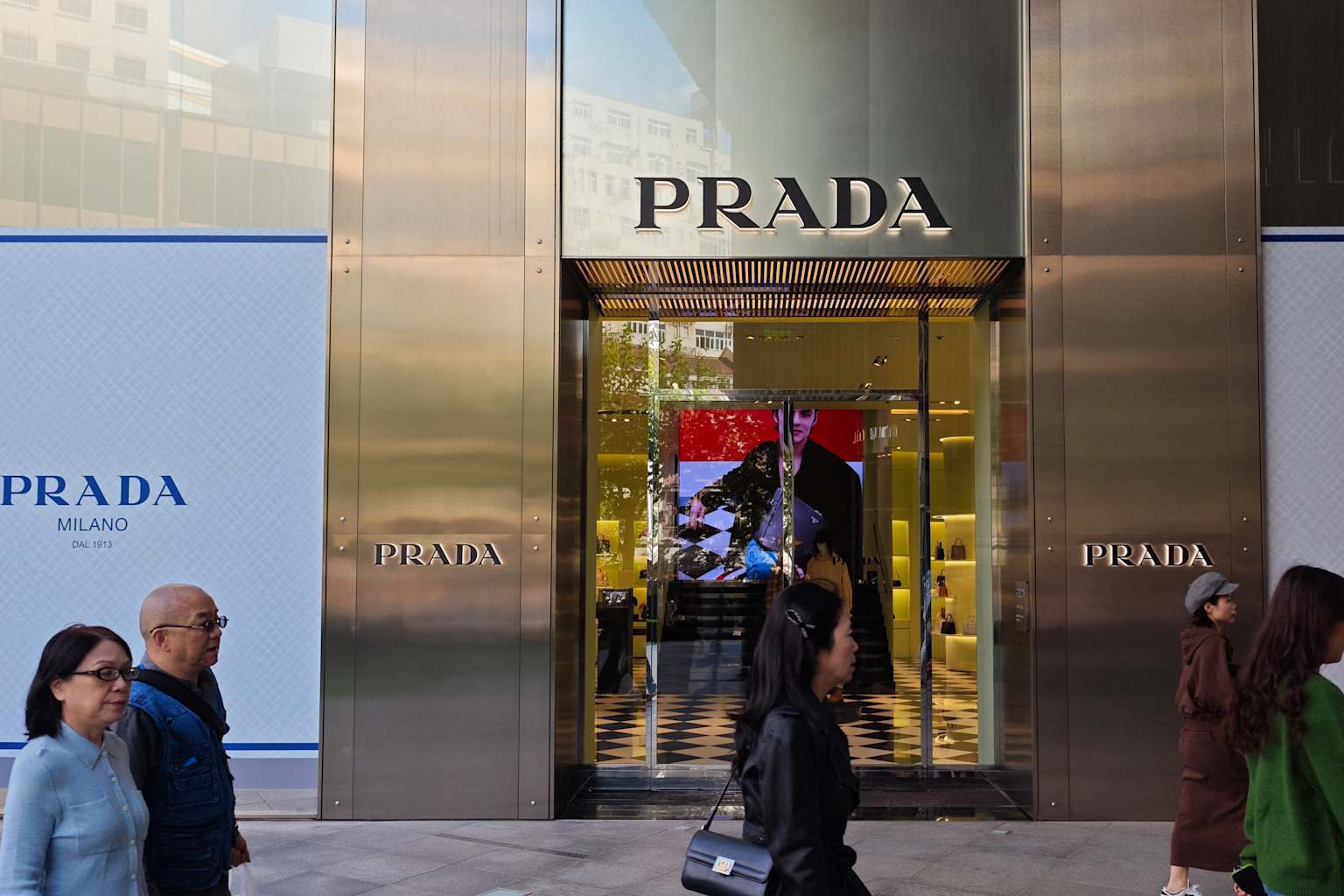
The tax push is also dampening spending by China's wealthiest consumers. Sales at the 25 biggest luxury labels in China dropped more than 10% in July, according to three research firms surveyed by Bloomberg, marking a sharp reversal from the brisk business seen earlier in the year. LVMH-owned Louis Vuitton and Dior, alongside Kering-owned Gucci, all recorded double-digit declines during the month. Hermès moved from growth into decline, while growth at Chanel and Prada slowed.bloomberg+1
The pullback arrives just as China's luxury market had begun stabilizing after contracting between 3% and 5% in 2025, according to Bain & Company.btb
For many wealthy Chinese, the larger concern is what comes next. Within weeks of the trust tax announcement, authorities began levying taxes on insurance policy income earned offshore. Bank of America analysts wrote that tax enforcement could eventually expand to overseas employment income.qatar-tribune
"The enforcement campaign is unprecedented and appears here to stay," said Christopher Beddor, deputy China research director at Gavekal Dragonomics. "It's easy to imagine how this could merge into other goals, such as tougher enforcement of capital controls."reuters+1
Carlos Casanova, senior economist for Asia at Swiss private bank UBP, said the new measures "signal broader tax reforms as authorities seek diversified revenue sources" amid China's real estate downturn, adding that the dynamic "may slow southbound flows into Hong Kong and other Asian wealth centers."qatar-tribune