Newsletter Subscribe
Enter your email address below and subscribe to our newsletter
[forminator_form id="25163"]

All voices matter
yahoonpryahooEurope's fifth heatwave of the summer is affecting more than 300 million people across the continent, lasting longer than the deadly 2003 heat event that killed tens of thousands, while wildfires in Britain have reached record levels and severe drought cripples waterways, crops, and energy systems from Portugal to Romania.
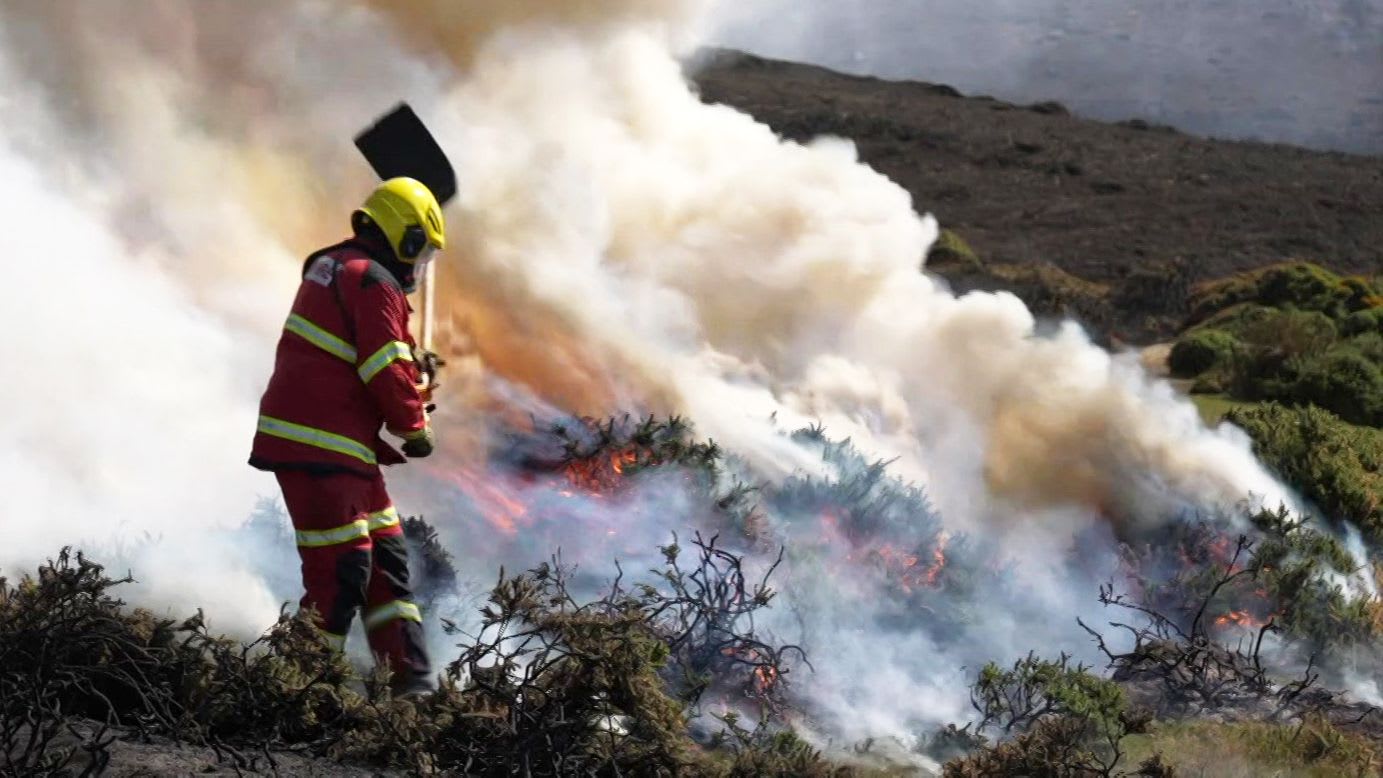
Wildfires in England and Wales have surpassed the previous annual record of 1,017 set in 2025, with the fire season only at its midpoint. Phil Garrigan, chair of the National Fire Chiefs Council, said on Friday that fire services had declared 11 major incidents in the preceding 24 hours and that "the demands and the requests for support have probably outstripped the capability of the UK fire and rescue service."yahoo
On Thursday, Kew Gardens in London registered 38.1°C, making it the hottest day of 2026 and the fifth-hottest day on record in the United Kingdom. In Stourbridge, in central England, fires raced from tinder-dry fields to engulf homes, forcing hundreds to evacuate. "I heard a scream, and all the trees along the railway track were exploding," resident Paul Nash told Reuters.bbc+1
Prime Minister Andy Burnham warned that "Britain is a tinderbox right now" and said fire services were working alongside the military in some areas. The government issued an emergency alert to mobile phones across England and Wales urging the public not to engage in any activity that could spark a wildfire.yahoo
Across Europe, the current heatwave is lasting longer than the 2003 event, which resulted in nearly 15,000 fatalities in France alone. In France, Italy, and Spain, some 92 million people are enduring temperatures exceeding 35°C in cities largely without air conditioning. The World Health Organization has reported more than 10,000 excess deaths in just five countries, while data compiled by Bloomberg put the figure at 25,000.nytimes+2
The drought has devastated Europe's waterways. The Rhine hit its lowest level since 1880, disrupting shipping and supply chains. Record-low water on the Danube forced Romania to begin shutting down a nuclear reactor at its Cernavoda plant, while Hungary's Paks nuclear plant is operating with only one of four reactors at minimum output. France had up to 29 gigawatts of nuclear capacity offline as of mid-July due to river temperature limits.npr+2
About 9 million tonnes of grain are expected to be lost across Europe, with France facing its worst maize harvest in 50 years.inkl
An analysis by World Weather Attribution found that current drought conditions are 80 times more likely due to global heating in Western Europe and 40 times more likely in Eastern Europe. Matt Patterson, a research fellow at the University of St. Andrews, told the New York Times: "It's the fossil fuels that are responsible for this. In many ways, it's that straightforward."nytimes+1
Scientists note that Europe is warming twice as fast as any other continent due to atmospheric and oceanic currents and its proximity to the Arctic. UN climate chief Simon Stiell called the droughts "an unignorable red alert that our planet is overheating," adding that "until humanity stops burning huge amounts of coal, oil and gas, these brutal climate-driven droughts will only get more severe."inkl+1