
Newsletter Subscribe
Enter your email address below and subscribe to our newsletter
[forminator_form id="25163"]

All voices matter
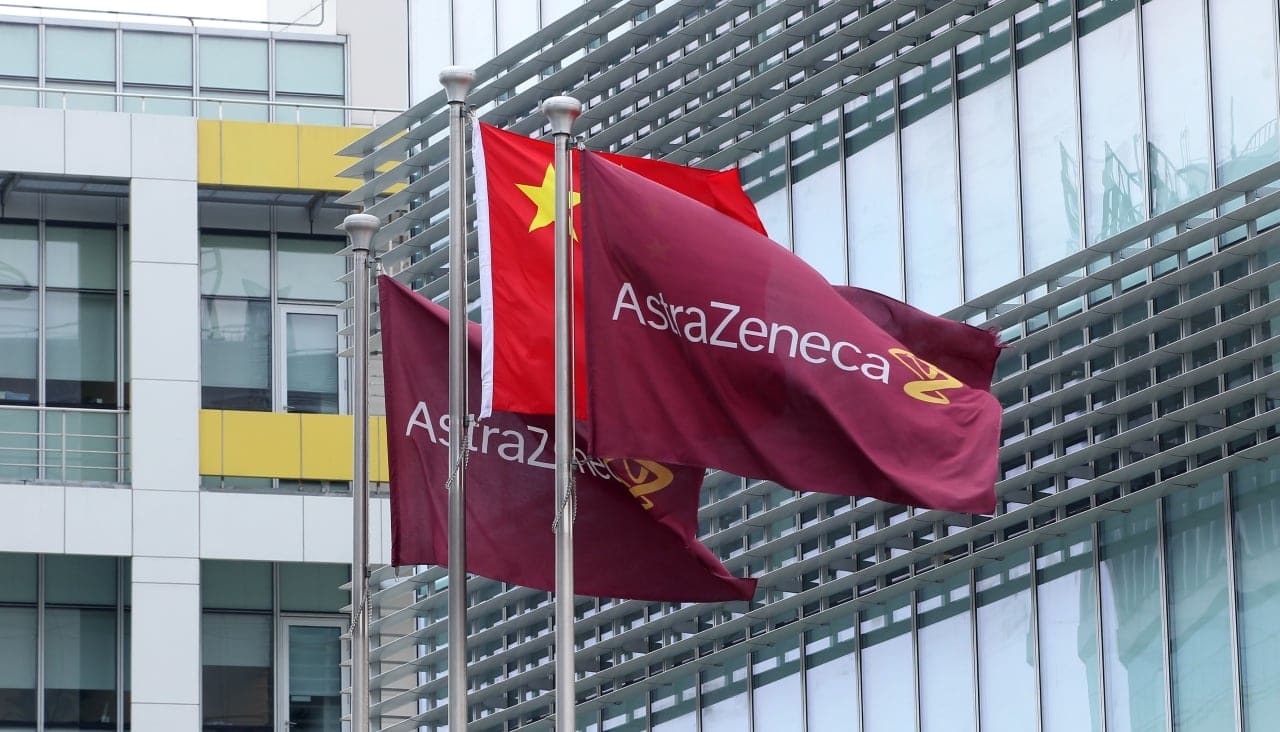
reutersreuterschinaselectcommittee.houseAstraZeneca and GSK announced separate partnerships with China's Sino Biopharmaceutical on Wednesday, marking a flurry of cross-border pharmaceutical dealmaking even as U.S. lawmakers push to bring such transactions under national security review.
Under the larger of the two agreements, AstraZeneca secured exclusive rights to develop, manufacture and commercialize TQC3721 outside China, a drug developed by Sino Biopharmaceutical's subsidiary Chia Tai Tianqing Pharmaceutical (CTTQ). TQC3721 is an inhaled dual PDE3/4 inhibitor designed to treat chronic obstructive pulmonary disease (COPD), positioning it as a potential competitor to Merck's Ohtuvayre.biospace+3
AstraZeneca is paying $200 million upfront with up to $1.9 billion in additional development, regulatory and sales milestone payments, bringing the deal's total potential value to $2.1 billion. Sino Biopharmaceutical is also eligible for tiered royalties reaching double-digit percentages of annual net sales. Shares of Sino Biopharmaceutical rose sharply on the news.fiercebiotech+3
In a separate announcement the same day, Sino Biopharmaceutical disclosed that CTTQ had obtained commercialization rights in mainland China for two GSK respiratory medicines: the triple therapy inhaler Trelegy Ellipta and the dual therapy inhaler Anoro Ellipta. Under the arrangement, CTTQ will be responsible for importing, distributing and promoting the products in mainland China, with sales revenue recognized by CTTQ.reuters+1
The GSK deal reflects Western drugmakers' continued interest in tapping China's large patient population through local partners with established commercial infrastructure.wsj
The twin deals arrive amid intensifying scrutiny in Washington over U.S.-China pharmaceutical transactions. The BIOSECURE Act, signed into law in December 2025 as part of the fiscal year 2026 National Defense Authorization Act, restricts federal agencies and grant recipients from using biotechnology services linked to designated Chinese companies of concern. Separately, a bipartisan bill introduced on June 1 by Representatives John Moolenaar and Debbie Dingell — the Biotech Investment National Security Act (BINSA) — would for the first time subject pharmaceutical licensing deals with Chinese entities to Treasury Department outbound investment screening.chinaselectcommittee.house+1
If enacted, BINSA would amend the existing COINS Act to cover "licensing of a prohibited technology from a covered foreign person," potentially capturing the types of agreements announced Wednesday.morganlewis+1