


Newsletter Subscribe
Enter your email address below and subscribe to our newsletter
[forminator_form id="25163"]

All voices matter
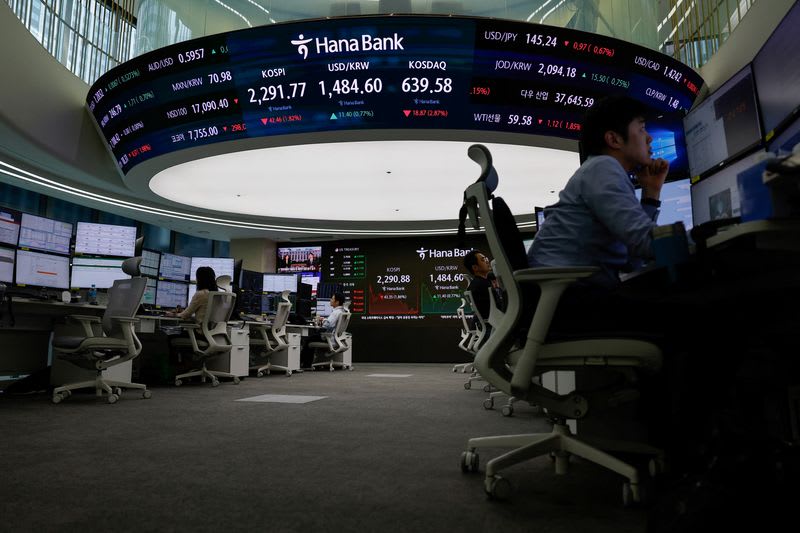
reutersreuters+1reutersAsia-focused equity long-short hedge funds are on track for their worst month ever, falling 18.6% on average through July 28, as crowded bets on artificial intelligence chip stocks reversed with unusual speed, according to Goldman Sachs The Goldman Sachs Group, Inc. prime brokerage data sent to clients this week.reuters
The drawdown has erased much of the group's gains from what had been a banner year. Goldman Sachs said the funds have given back 21 percentage points of year-to-date performance since peaking at roughly 40% around July 22, with managers most exposed to AI themes suffering the steepest losses. The bank noted that crowded AI positions that powered first-half returns are now "driving outsized month-to-date drawdown".finimize+1
The selloff has been concentrated in semiconductor stocks across Taiwan, South Korea, Japan, and China. South Korea's Kospi fell nearly 11% on Tuesday, July 28, in its worst single session in about five months. Names such as SK Hynix and Samsung Electronics, which had been popular long positions among the funds, were at the center of the unwind.reuters+1
Goldman Sachs reported that Asian hedge funds have reduced exposure for eight consecutive trading days through July 27, with the five-day cumulative de-grossing — the simultaneous cutting of both long and short positions to lower risk — the largest on record. "In market cap terms, this is the biggest unwind we've ever seen," said Vikas Pershad, a portfolio manager for Asian equities at M&G Investments.finimize+1
The forced deleveraging has compounded price moves: as funds sell their most crowded longs and trim related shorts, liquidity thins and stocks move in lockstep, making conditions more difficult for active managers.finimize
The episode coincided with a Federal Reserve decision on Wednesday to hold interest rates steady, a move widely expected by markets. But the more consequential development for investors has been the reassessment of AI-related risk. Capital expenditure guidance from major technology companies continues to rise, suggesting the underlying buildout remains intact — yet markets have shifted from rewarding growth to demanding clarity on who bears the financing risk if AI spending slows.southshorepress
Goldman Sachs's high-beta momentum basket has now surrendered its entire year-to-date gain in a matter of weeks, underscoring how concentration in a narrow set of AI infrastructure names can cut both ways.southshorepress


