
Newsletter Subscribe
Enter your email address below and subscribe to our newsletter
[forminator_form id="25163"]

All voices matter
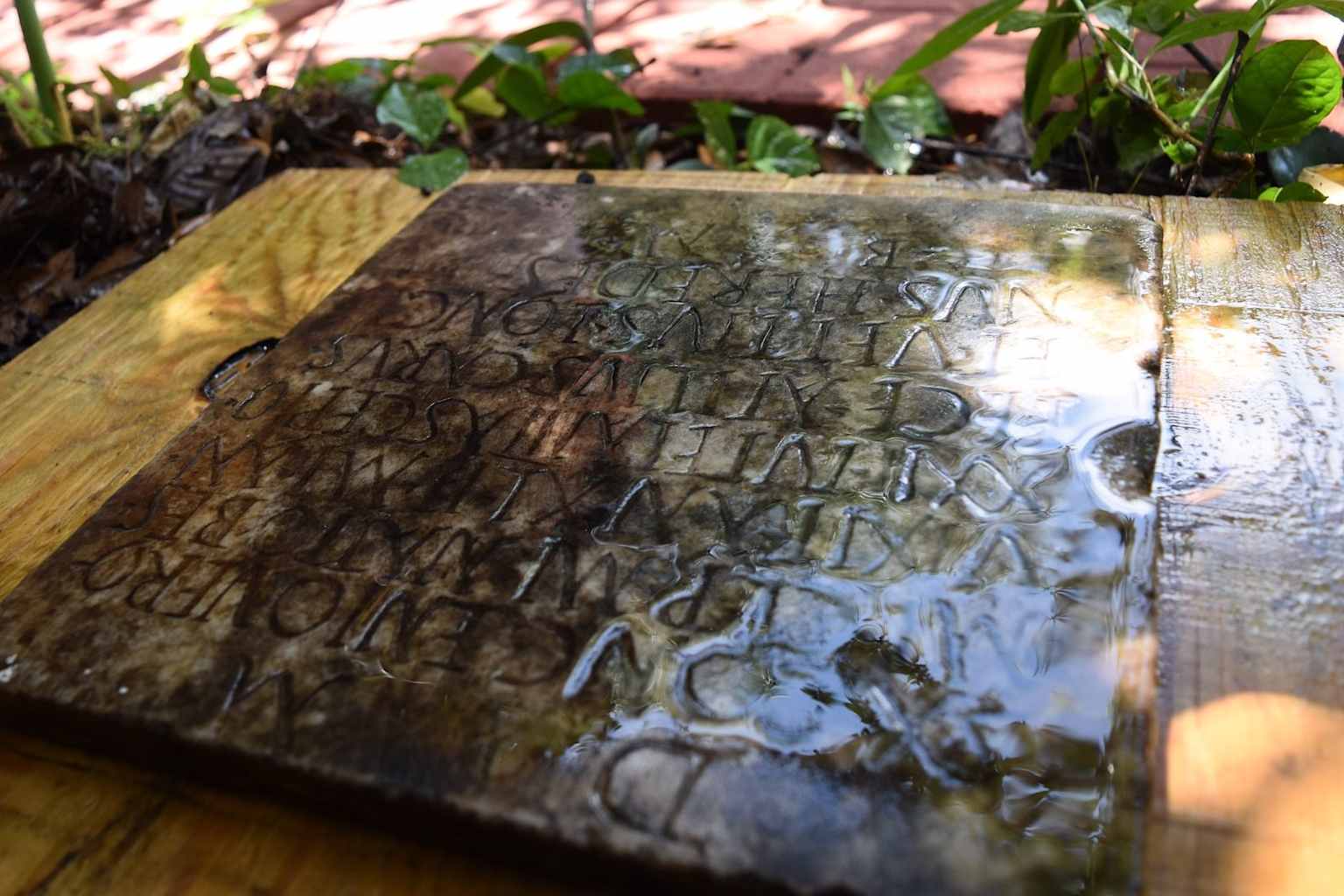
explorersweb+1.explorersweb+2.explorersweb+2.explorersweb+1.explorersweb+2.A New Orleans family's routine yard work has solved an 80-year-old international mystery, revealing how a 1,900-year-old Roman sailor's tombstone missing since World War II ended up buried beneath Louisiana weeds.
The marble grave marker, honoring Roman Imperial Navy sailor Sextus Congenius Verus who died at age 42 in the second century AD, was discovered in March by Tulane University anthropologist Daniella Santoro and her husband Aaron Lorenz while clearing undergrowth in their Carrollton neighborhood backyard. The FBI Art Crime Team now holds the artifact as Italian and U.S. authorities work to repatriate it to its original home in Civitavecchia, Italy.explorersweb+4
The mystery of how the ancient tombstone reached New Orleans was solved this week when Erin Scott O'Brien recognized her former home on television news reports. O'Brien revealed she had placed the stone in the garden as decoration in the early 2000s after inheriting it from her grandparents, who had displayed it in a case in their Gentilly home.clickorlando+1
Her grandfather, Charles Paddock Jr., was a World War II veteran stationed in Italy who married his Italian wife Adele on October 14, 1946. The couple brought the stone back to New Orleans, where Paddock later taught voice at Loyola University. The family had no idea of its historical significance, with O'Brien describing it as "a cool-ass piece of art".prcno+1
The tombstone originally marked the grave of Sextus Congenius Verus, a sailor from the Thracian region who served 22 years in the Roman Imperial Navy aboard the trireme Asclepius, named for the Roman god of medicine. The Latin inscription reveals he was "well deserving" and the marker was commissioned by his heirs, likely fellow sailors since Roman military personnel couldn't marry at the time.explorersweb+3
First discovered in Civitavecchia's ancient cemetery in the 1860s, the tombstone disappeared when Allied bombing destroyed the local museum between 1943-1944. The museum didn't reopen until 1970, and staff confirmed the artifact had been missing for decades. Dr. Susann Lusnia of Tulane University, who helped authenticate the find, noted the stone's measurements perfectly matched museum records: one square foot and one inch thick.livescience+3
The Civitavecchia museum staff are now planning a celebration for the tombstone's return, with Dr. Lusnia observing that "no one would be more thrilled by the tablet's rediscovery than Sextus himself," since grave markers were essential in Roman culture for preserving memory. As she noted, "In the Roman world, memory is the means of achieving an afterlife".clickorlando+1