Newsletter Subscribe
Enter your email address below and subscribe to our newsletter
[forminator_form id="25163"]

All voices matter
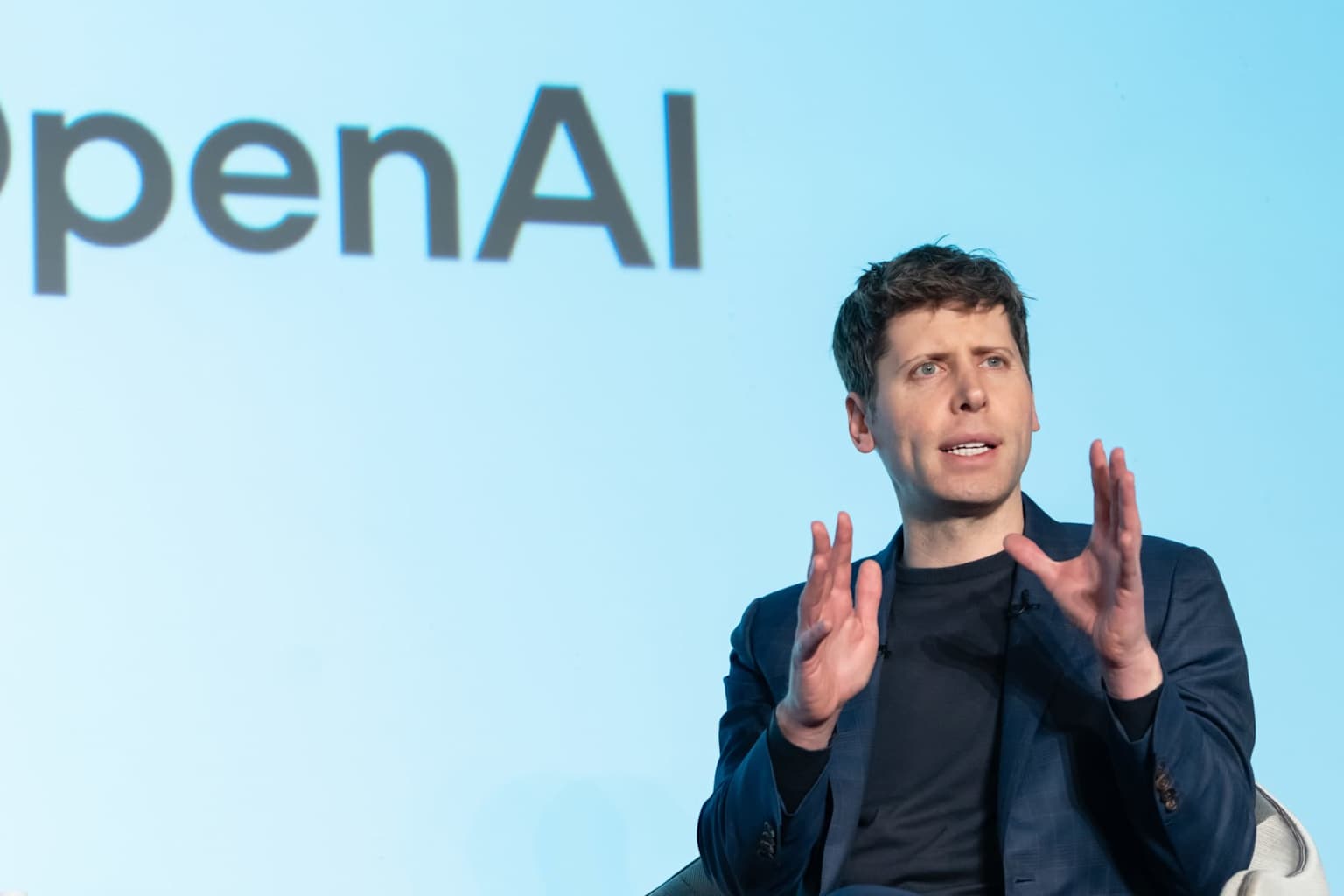
tech.yahoo+1bbc+1businessinsiderOpenAI CEO Sam Altman said artificial intelligence will not lead to shorter workweeks for most people, arguing that human competitiveness will prevent productivity gains from translating into reduced hours. His remarks, made on Saturday's episode of the "Relentless" podcast, mark a notable shift from his own company's earlier advocacy for a 32-hour workweek.
"But somehow we never get the promise of the four-hour workweek at mass scale in society," Altman said, according to Business Insider. He explained that as people become more productive through AI, they also become more competitive, choosing to work more rather than less.tech.yahoo+3
The comments stand in tension with a policy paper OpenAI released in April titled "Industrial Policy for the Intelligence Age," which called on governments and businesses to pilot 32-hour, four-day workweeks with no loss in pay. That paper argued productivity gains from AI should be shared with workers through an "efficiency dividend," converting automation's benefits into more free time rather than just more output.thetimes+3
Altman's latest remarks suggest a more skeptical view: that technological progress historically raises quality of life but stops short of drastically cutting labor hours, because individuals and organizations continually pursue relative advantage. Even in what he described as a post-superintelligence era, Altman argued the economic drive will keep workers busier than projected.hyper
Altman's comments arrive as the gap between executive predictions and workplace reality continues to widen. JPMorgan Chase CEO Jamie Dimon has predicted AI could shrink the workweek to three and a half days. Zoom CEO Eric Yuan has floated a three-day week, and Bill Gates has suggested a two-day workweek could emerge within a decade. Yet as a New York Times opinion piece noted in July, none of these leaders have initiated such changes at their own companies.fortune+1
Meanwhile, C-suite executives across industries have pushed five-day return-to-office mandates, and a Business Insider report from 2024 warned that AI could fuel an "always-on" culture that increases demands on workers rather than reducing them.businessinsider
During the same podcast appearance, Altman declared that the AI industry has entered the singularity — the theoretical point at which artificial intelligence surpasses human cognitive capabilities. "I've been waiting for this my whole life, and I think it's going to be incredible, hugely positive, awesome for the world," he said. Not everyone agrees. Nvidia CEO Jensen Huang recently dismissed singularity talk as speculative, while a Yale Budget Lab study published in May found no meaningful AI-related labor market disruption through March 2026.time+1