Newsletter Subscribe
Enter your email address below and subscribe to our newsletter
[forminator_form id="25163"]

All voices matter
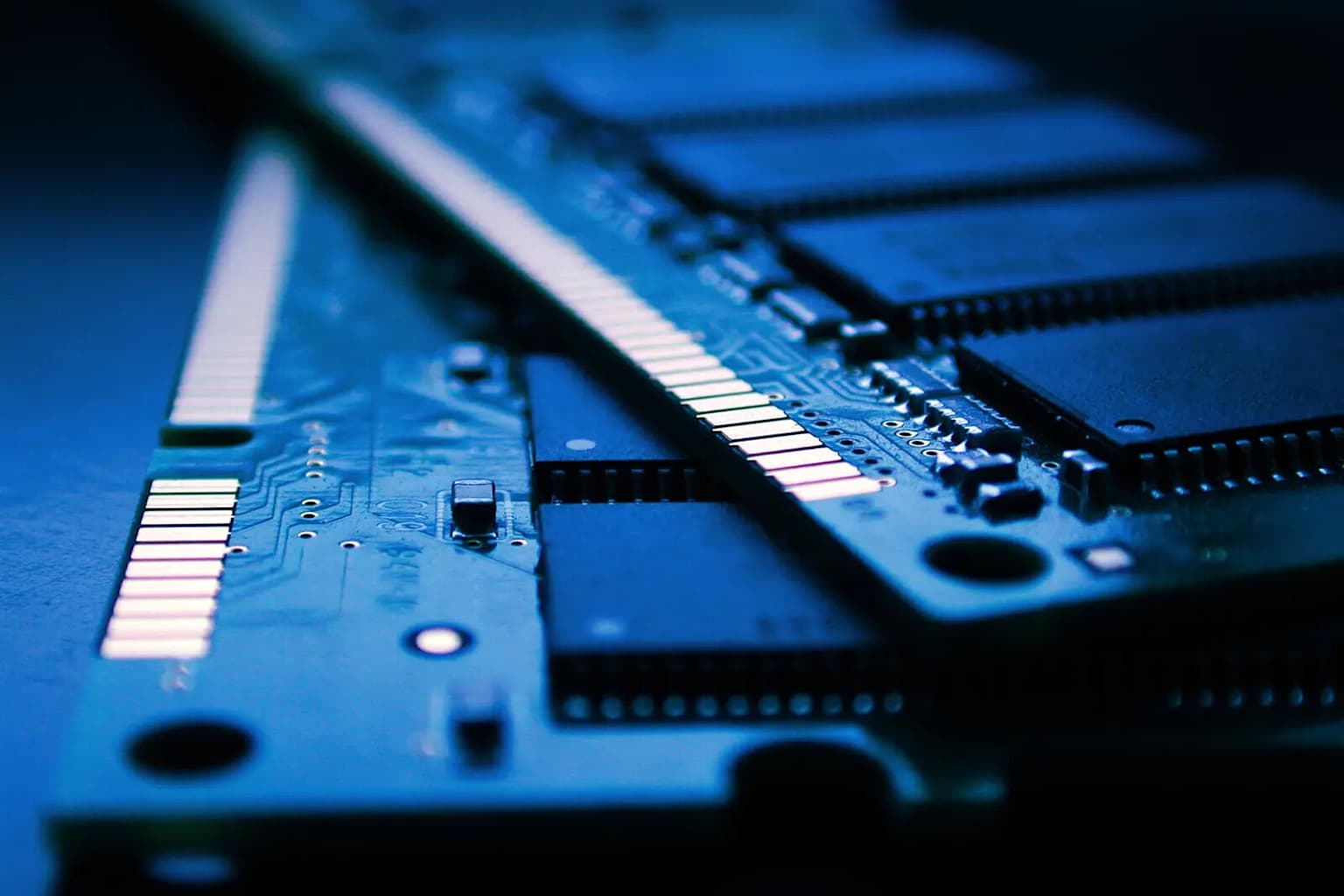
techpoweruptheatlanticcryptobriefingThe insatiable appetite of artificial intelligence has created what the tech world now calls "RAMageddon" — a global memory chip shortage that is pushing up prices on everything from laptops and gaming consoles to automobiles and television panels, with no end in sight before late 2027 at the earliest.
Memory chip prices have surged nearly fivefold over the past 12 months, according to data published by TechPowerUp on August 18, with DDR5 kits up as much as 485% year-over-year in the United States. All three major memory manufacturers — Samsung, SK hynix , and Micron — have sold out their entire production capacity for 2027, leaving no room for additional third-party supply.techpowerup
The shortage stems not from pandemic-era disruptions but from a deliberate reallocation of manufacturing capacity toward highly profitable AI data-center chips. Big Tech companies are expected to spend over $650 billion on AI capital expenditure in 2026, with a large share flowing into memory. Micron reported quarterly profits nearly 15 times higher year-over-year, while its stock has gained 242% in 2026.cryptobriefing+2
The automotive industry is among the hardest hit. Ford CFO Sherry House told investors that AI-driven DRAM price increases would add approximately $1 billion to the company's cost sheet in 2026. GM General Motors Company and Volkswagen have also flagged rising chip costs to investors.theatlantic+2
The Atlantic reported Wednesday that the average new car price in the United States has already reached roughly $50,000, and analysts warn it could climb to $60,000 as vehicle architectures shift toward centralized computers requiring far more RAM. Sam Abuelsamid, an analyst at Telemetry, estimated the shortage would raise vehicle prices by a few percentage points on average over the next year — amounting to some $2,000 per car. Micron has said the average vehicle's combined DRAM and NAND requirement is expected to jump from 90GB to 278GB by 2026.slateforums+1
Investors are beginning to ask uncomfortable questions. A Crypto Briefing report, citing the New York Times, noted that supply crunches can inflate perceived demand through the "bullwhip effect" — companies over-order out of fear of future shortages, making demand appear stronger than it is. The last major chip shortage ended with an inventory glut that hammered chipmaker valuations.cryptobriefing
Jim Cramer acknowledged the risk on his program, warning three weeks ago that the AI trade echoed the dot-com bust, though he maintained that multiyear supply agreements worth $93.9 billion across eight clients support current memory stock valuations. The shortage's ripple effects now extend to display panels, where LCD TV prices began rising in January 2026 as brands accelerated procurement ahead of further memory cost increases.mitrade+1
As Abuelsamid told The Atlantic: "It's one thing for the AI industry's appetite for memory chips to raise the price of an Xbox, or even a new laptop. But the stakes are much more consequential when it becomes harder and more expensive to get groceries, pick the kids up from school, and go to work."theatlantic