Newsletter Subscribe
Enter your email address below and subscribe to our newsletter
[forminator_form id="25163"]

All voices matter
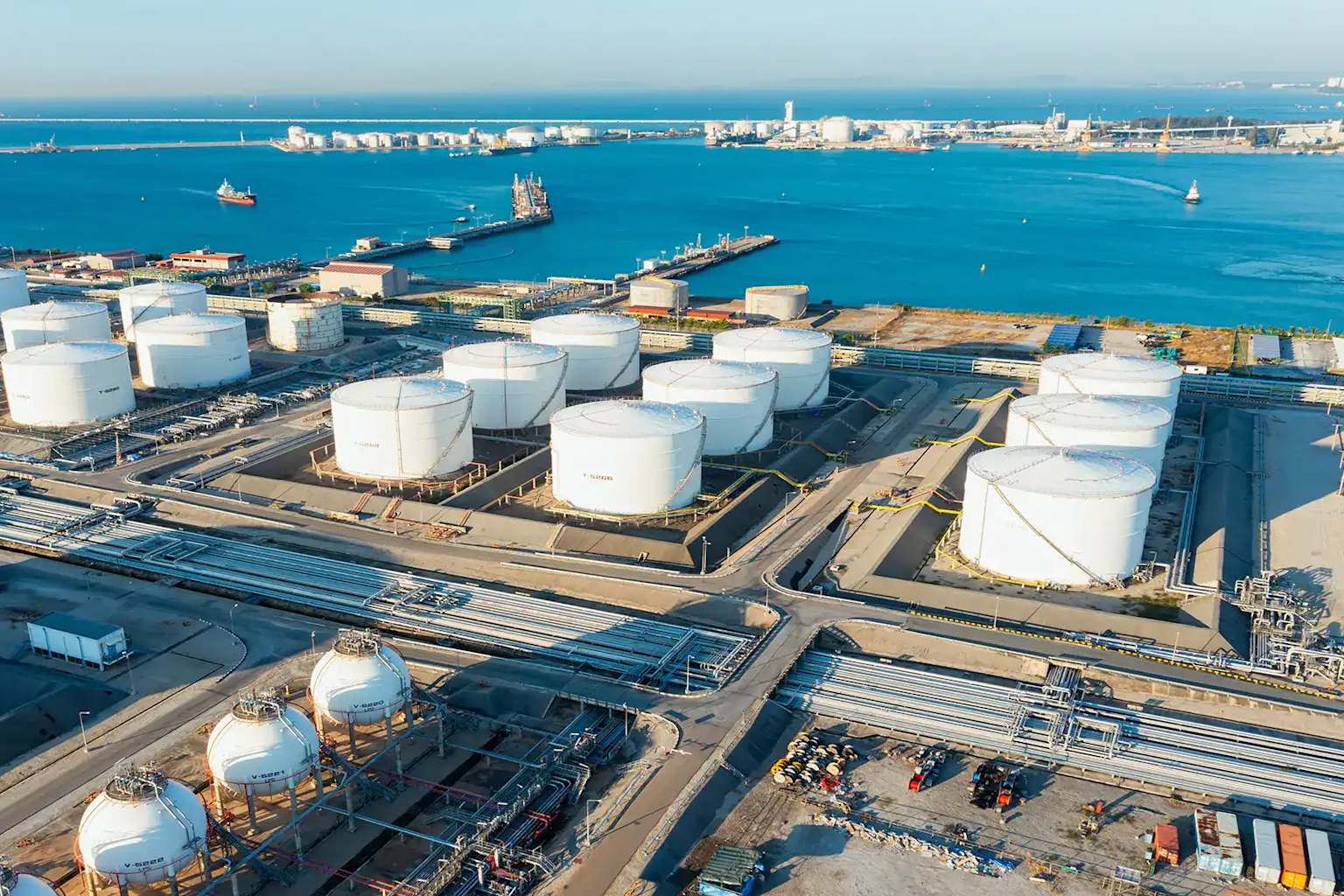
euronews.euronews+1.euronews.The European Union may have to use 7% less gas this winter than last, about 14 billion cubic metres (bcm), because its storage sites are emptier than at this point in any autumn since records began in 2011. The warning came in a report published Friday by the Institute for Energy Economics and Financial Analysis (IEEFA). The squeeze comes as the Iran war keeps prices high and the EU prepares to ban all Russian liquefied natural gas (LNG) imports from January 2027.euronews+1
IEEFA, a US-based non-profit, said EU storage was about 72.4% full on Oct. 3. On that basis, it expects storage to supply 7.3 bcm less gas between November and March than it did last winter. That gap, together with the loss of Russian LNG, is what drives the possible 7% cut. "This does not mean EU gas storage will run dry this winter," the report said. It noted, however, that emptier sites release gas more slowly, which could leave the bloc short during a late cold spell and require a larger, more expensive refill next summer.euronews
Politico Europe called the shortfall the worst in 15 years. It said the gap equals the energy use of 10 million to 12 million households. ENTSOG, the network of Europe's gas grid operators, reached a similar conclusion on Thursday. It found that a colder-than-usual winter would still force a 7% demand cut even if LNG supply was optimal, and that a severe winter could leave the bloc up to 15% short.ground+3
Covering the storage gap with extra imports instead of using less gas would cost about €3 billion, IEEFA estimated. That is a 12% premium on what the same volume would have cost a year ago. "An increased reliance on gas storage has become a major financial liability for Europe," the think tank concluded. According to Russia's state news agency TASS, Brussels is prepared to let countries fill storage to 80% this year, below the usual 90% target, in the hope of a mild winter.tass+1
Europe's gas market has been under pressure since the Iran war began on Feb. 28 and disrupted shipping through the Strait of Hormuz, a route for about a fifth of global LNG trade. Dutch TTF futures, Europe's benchmark gas price, reached their highest level since 2022 in mid-September and were trading near that level again this week. European Commission President Ursula von der Leyen said on Tuesday that imported fossil fuels have cost the EU an extra €100 billion since late February "without a single molecule of energy in addition".euronews
Kirill Dmitriev, the Kremlin's envoy on economic matters, also predicted a winter gas shortage in the EU and blamed the bloc's own policy choices.
Some governments are already intervening. The Netherlands approved up to €993 million to help state-owned EBN build reserves, Germany has ordered state importer SEFE to store 8 terawatt-hours by Dec. 15, and Spain has raised the amount of LNG held at its import terminals by more than 25%. IEEFA cautioned that winter gas use has climbed back to around 200 bcm in each of the past two winters, "suggesting the era of easy demand cuts may be over".euronews