Newsletter Subscribe
Enter your email address below and subscribe to our newsletter
[forminator_form id="25163"]

All voices matter

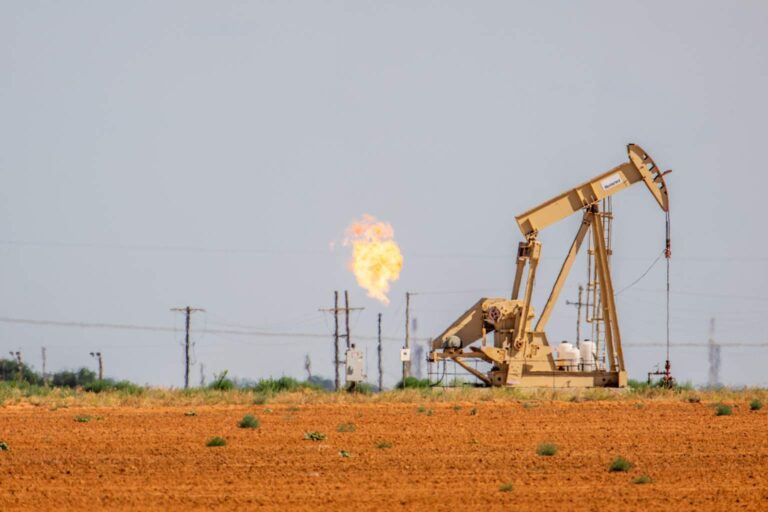
reuters+1cnbc+1cnbcInvestors in dollar bonds issued by Africa's oil-producing nations are facing mounting losses as a rapid decline in crude prices reshapes the emerging-market debt landscape. The selloff follows the reopening of the Strait of Hormuz under a U.S.-Iran peace framework, which has sent oil tumbling from wartime highs and reversed a trade that had rewarded holders of African sovereign debt for months.
Crude oil has fallen more than 20% over the past month, according to Trading Economics, with Brent settling at its lowest level since before the Iran conflict began on February 28. The decline accelerated this week after U.S. Energy Secretary Chris Wright confirmed that oil flows through the Strait of Hormuz had returned to pre-war levels, with approximately 20 million barrels exiting the waterway in a single 24-hour period.reuters+2
The Republic of Congo, Angola, Cameroon, Gabon, and Nigeria — all of which tapped international bond markets aggressively during the oil price rally — are now seeing their eurobonds underperform the broader JP Morgan EMBI Global Diversified Index JPMorgan Chase & Co. , which gained 1% in May. Congo, which issued nearly $2.5 billion in eurobonds since November at yields as high as 13.7%, faces particular pressure given its outsized dependence on crude revenues. Oil exports account for 40 to 50 percent of GDP for Gabon, Angola, and the Republic of Congo.brookings+2
The bonds had been a popular bet since late February, when the U.S.-Israeli military campaign against Iran led to the closure of the Strait of Hormuz and sent crude surging above $100 per barrel. Angola alone raised $4 billion in eurobonds in 2026, while Congo returned to markets multiple times. Investors piled in on the logic that elevated oil prices would bolster fiscal balances and debt-servicing capacity across the continent.dealsandadvisoryreport+5
That thesis has now been upended. A ceasefire agreement finalized between June 15 and 18 established a 60-day window for commercial transit through the strait, and over 20 tankers carrying roughly 35 million barrels have since passed through with military escort. Goldman Sachs The Goldman Sachs Group, Inc. expects Brent could fall to between $60 and $65 per barrel within six to twelve months as flows stabilize, while J.P. Morgan has cut its second-half forecasts.cnbc+3
The reversal may yet prove temporary. On Thursday, a cargo vessel was struck by an unknown projectile near Oman, briefly halting evacuation efforts and pushing Brent back above $75. Iran's Revolutionary Guard has warned that vessels must follow routes specified by Tehran, underscoring that the waterway remains contested. Analysts at Vanda Insights have cautioned that markets may be "pricing in the best-case scenario for the normalization of oil flows, without adequately considering possible logistical challenges and renewed geopolitical tensions".aljazeera+2
For bondholders in Africa's petrostates, the question is whether the oil surplus now expected by markets will materialize — or whether the Hormuz corridor proves more fragile than traders assume.