


Newsletter Subscribe
Enter your email address below and subscribe to our newsletter
[forminator_form id="25163"]

All voices matter
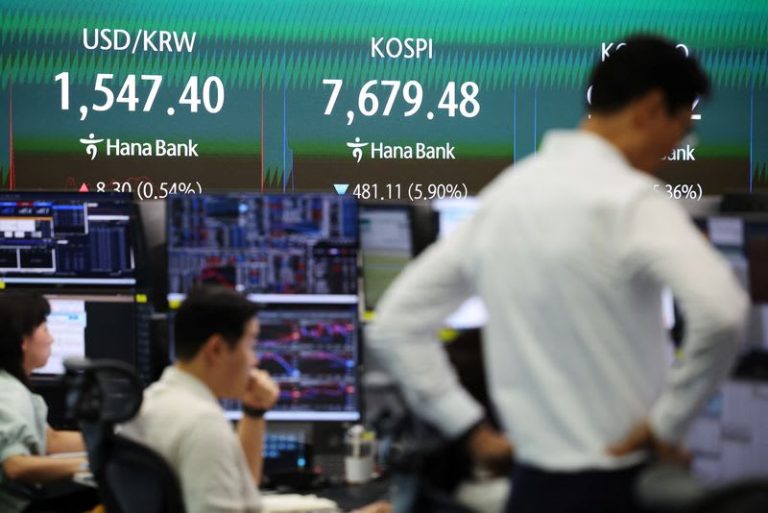
Foreign investors poured $214.4 billion into emerging market debt through July 2026, up from $177.7 billion in the same period last year, marking the highest level of inflows in more than two decades, according to Institute of International Finance data…

Emerging market stocks surged to their strongest weekly performance since June as renewed enthusiasm for artificial intelligence and cooler U.S. inflation data drew investors back into tech-heavy markets across Asia, even as the broader interest rate outlook remains uncertain.
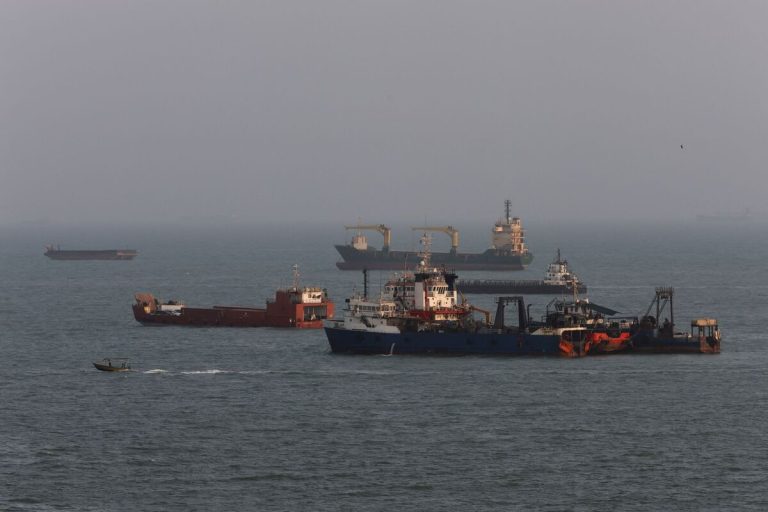
Emerging-market corporate borrowing costs have fallen to their lowest level since January relative to US peers, as global bond investors chase yield amid the prolonged closure of the Strait of Hormuz, according to Bloomberg.

Emerging-market stocks and currencies rallied on Monday as investors recalibrated their expectations for Federal Reserve policy following Friday's unexpectedly weak US employment report, which showed the first monthly decline in payrolls in five months.

The valuation gap between emerging-market equities and their US counterparts has widened to a level not seen in at least 20 years, with developing-economy stocks now trading at less than half the price-to-earnings multiple of the S&P 500, according to…

The artificial intelligence frenzy has reshaped the MSCI Emerging Markets Index into something few diversification-minded investors would recognize: a benchmark more top-heavy than the S&P 500, dominated by a handful of chipmakers at the center of the global AI buildout.
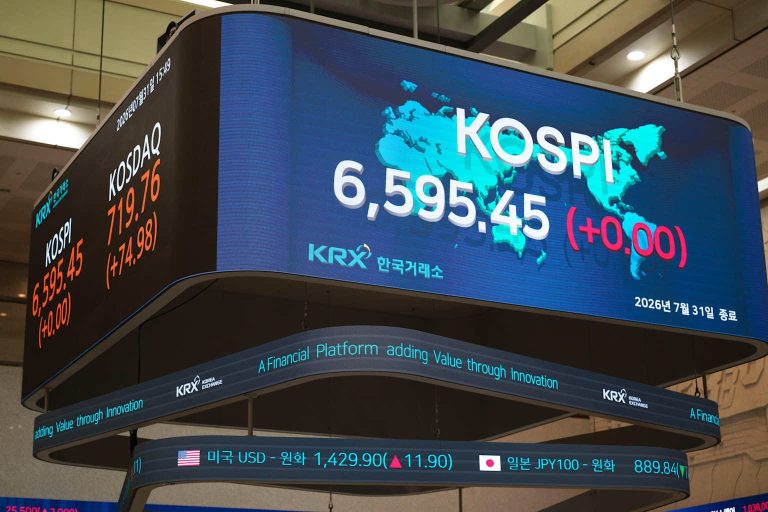
Emerging-market equities retreated this week as South Korea's Kospi extended a punishing selloff and Asian semiconductor stocks cooled, dragging the MSCI Emerging Markets Index lower from a three-week high. The decline laid bare the risks of an index increasingly dominated…

A strengthening El Niño is threatening to disrupt harvests and reignite inflation across emerging economies, with analysts warning that food-price pressures could peak in the first half of 2027 and hit countries in Asia and Africa hardest.
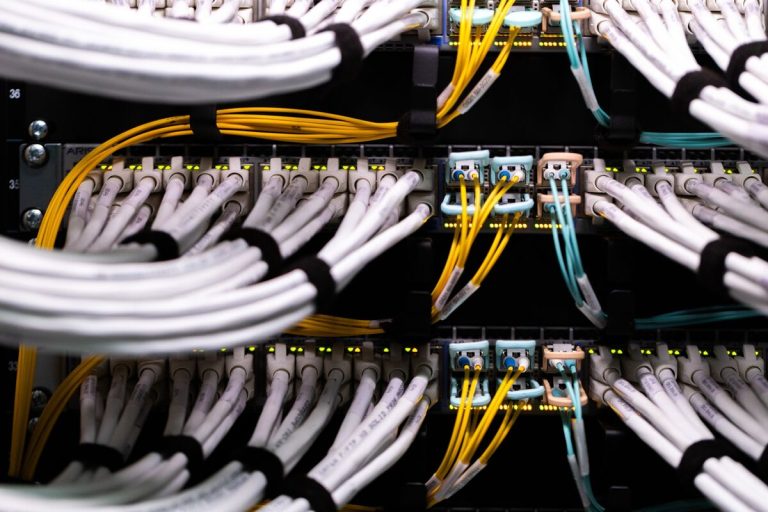
Private investors are channeling record sums into artificial intelligence infrastructure across the developing world, with deal volumes in the first half of 2026 surpassing the full-year total for 2025, according to data from the Global Private Capital Association.
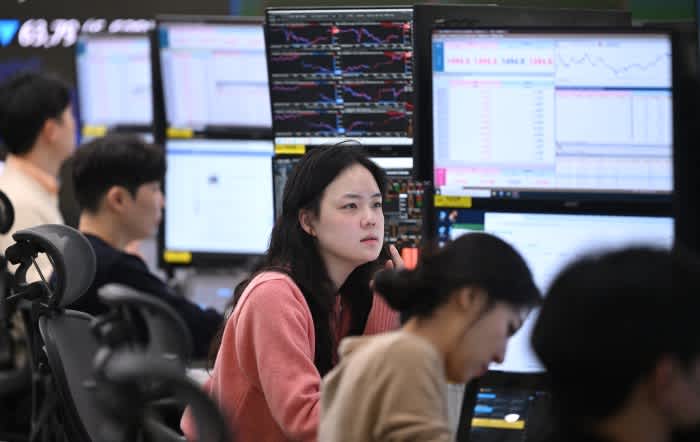
Emerging Asian markets extended their losing streak to a third consecutive session on Thursday as persistent concerns over the artificial intelligence trade continued to batter tech-heavy indices in South Korea and Taiwan, while a divided Federal Reserve added to investor…

A rapidly strengthening El Niño weather pattern, combined with elevated oil prices stemming from the conflict in the Middle East, could add up to 1.5 percentage points to global food inflation and push food prices to a 5% annualized rate…

Global emerging market funds have attracted billions in fresh capital over the past two weeks, reversing a prolonged streak of outflows as investors moved to buy the recent correction in developing-world equities.

Asian currencies came under broad pressure on Monday as renewed hostilities between the United States and Iran pushed oil prices sharply higher and drove investors toward the safety of the US dollar. The dollar index rose to 100.98, its highest…
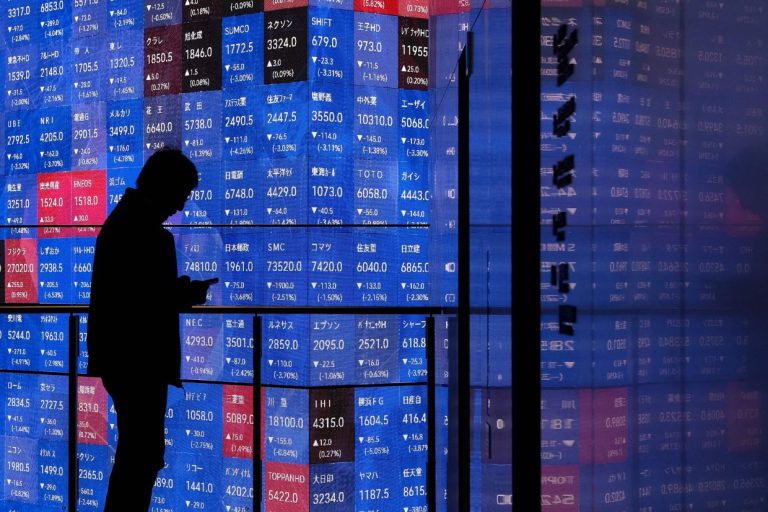
Emerging-market equities fell for a second straight day on Friday as a deepening rout in semiconductor stocks rippled through Asian markets, while escalating U.S.-Iran hostilities pushed crude oil prices higher and clouded the monetary policy outlook for developing economies.

Huawei Technologies has built a clean energy business generating more than $11 billion in annual revenue, positioning the Chinese telecom giant as an increasingly important player in the global energy transition even as it faces restrictions in Western markets.
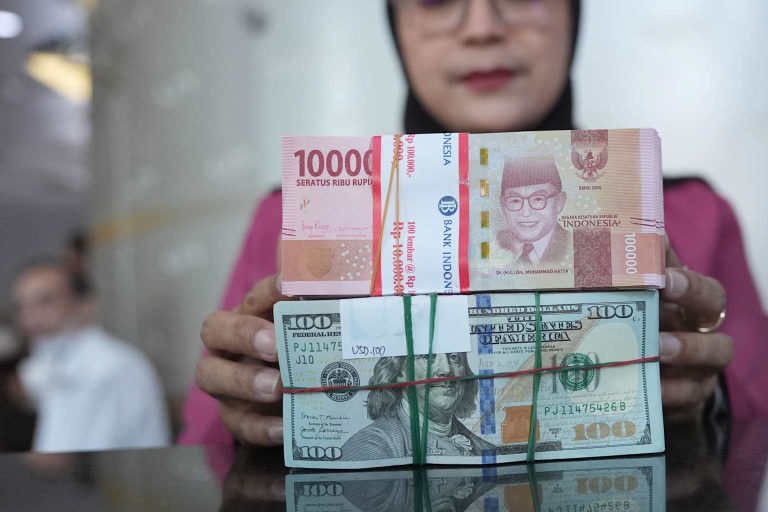
The South African rand and Indonesian rupiah weakened on Monday as a fresh escalation in the U.S.-Iran conflict drove investors away from emerging market assets, with both currencies facing renewed selling pressure amid deteriorating global risk appetite.
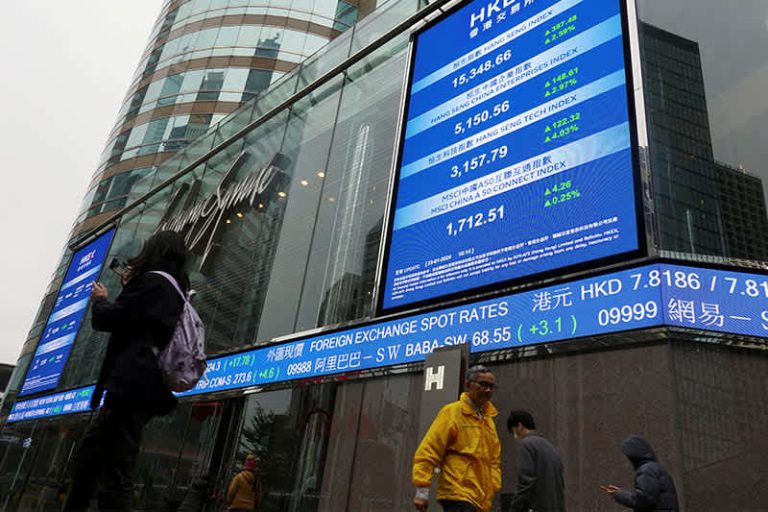
Foreign investors pulled a net $46.1 billion from emerging market equities in June, according to data from the Institute of International Finance published Thursday, with South Korea and Taiwan at the center of the retreat as a tech selloff and…

Emerging market equities are set to close the week lower as investors navigate a volatile mix of renewed U.S.-Iran hostilities, swinging oil prices, and a global retreat in AI-driven technology stocks that has rippled across developing-nation markets.
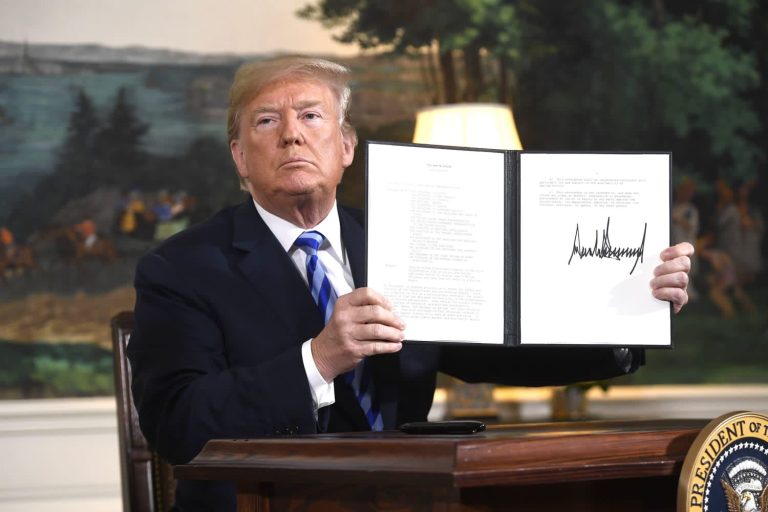
Emerging-market assets came under pressure on Wednesday after President Donald Trump declared the interim Iran deal "over," sending oil prices surging roughly 5% and rattling global risk sentiment. Hard-currency sovereign bonds in oil-importing nations bore the brunt of the selling,…

S&P Dow Jones Indices warned on Tuesday that Turkey and Indonesia risk a downgrade from emerging-market to frontier-market status, citing concerns over market transparency and accessibility. The announcement adds to pressure already facing both nations from rival index provider MSCI,…
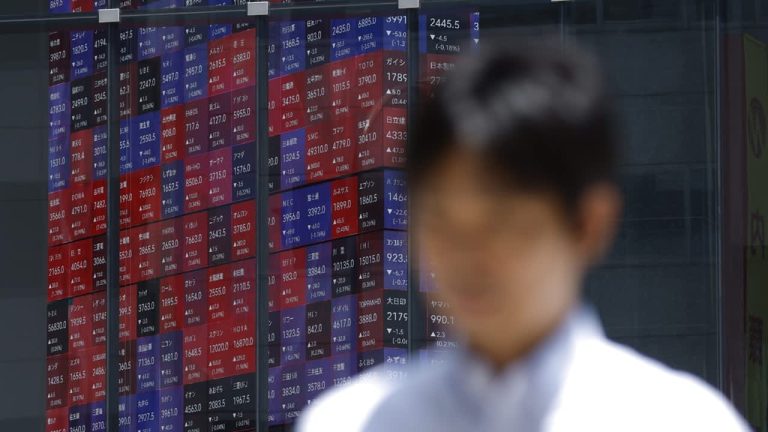
Emerging market equity funds recorded their ninth straight week of outflows in the period ending July 1, with redemptions accelerating sharply to around $2 billion from $500 million the prior week, marking the longest such streak since the 2022-23 period.…

Emerging-market equities rallied on Friday as a weaker-than-expected U.S. jobs report pulled the dollar toward its steepest weekly decline since April, easing pressure on developing-world assets that had been battered by Federal Reserve rate-hike fears.

Foreign investors withdrew a net $137.36 billion from Asian equities in the first half of 2026, the fastest six-month outflow in data going back to 2010, as a powerful AI-driven rally in chipmakers forced global funds to trim concentrated positions…

Emerging markets technology stocks closed out the first half of 2026 as the world's top-performing asset class, with the MSCI Emerging Markets Technology Index soaring more than 90% — dwarfing gains in U.S. and European equities and capping a historic…

Emerging market currencies came under renewed pressure on Tuesday as the US Dollar Index held near its highest levels since mid-2025, fueled by hawkish signals from new Federal Reserve Chair Kevin Warsh and persistent inflation concerns. The move marks a…

Asian and Central and Eastern European currencies started the week under pressure on Monday as a hawkish Federal Reserve stance, AI-driven equity volatility, and lingering U.S.-Iran tensions kept the dollar bid across global markets.

The World Economic Forum has warned that a full economic decoupling between Eastern and Western blocs could wipe out as much as $6.9 trillion from global GDP, an amount larger than every economy in the world except the United States…

Several Asian currencies faced broad-based selling pressure on Friday as the U.S. dollar, buoyed by hawkish Federal Reserve expectations and upbeat economic data, remained on track for a weekly gain despite easing slightly in the session.

Investors in dollar bonds issued by Africa's oil-producing nations are facing mounting losses as a rapid decline in crude prices reshapes the emerging-market debt landscape. The selloff follows the reopening of the Strait of Hormuz under a U.S.-Iran peace framework,…

MSCI released the results of its 2026 Market Classification Review on June 23, putting both Turkey and Indonesia on notice over persistent concerns about shareholder transparency and coordinated trading behavior. The index provider warned that if credible progress is not…