Newsletter Subscribe
Enter your email address below and subscribe to our newsletter
[forminator_form id="25163"]

All voices matter
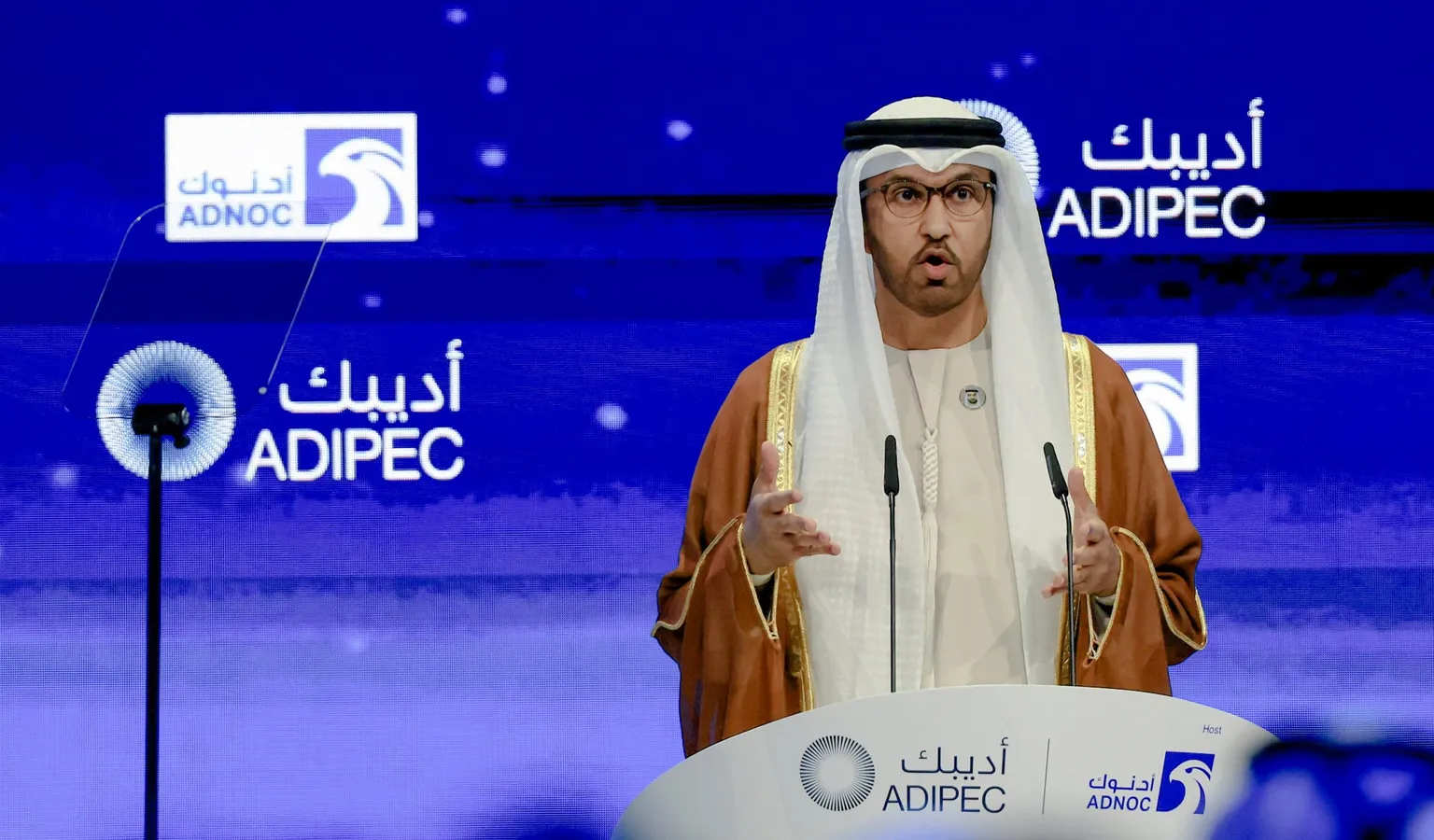
thenationalnews.com.gulfnews.com.energy.economictimes.indiatimes.com+1.Global oil inventories have lost nearly 1 billion barrels since the US-Israeli war on Iran disrupted shipping through the Strait of Hormuz. That is the warning ADNOC chief executive Sultan Al Jaber gave on Monday, November 2, in the opening address at the ADIPEC conference in Abu Dhabi, according to Reuters via ETEnergyworld. "Simply put, the world has eroded its supply buffers," he said. He urged governments and industry to build larger strategic reserves before the next shock.energy.economictimes.indiatimes.com+1
Al Jaber said diesel stocks in some markets are at their lowest seasonal level in 35 years. Other markets face a liquefied natural gas supply gap of 600 billion cubic feet, Gulf News reported. Diesel prices in many markets have climbed to record highs, which raises inflation and cost-of-living risks for governments and consumers, Reuters reported. Brent crude was trading about 50% above its level in February, just before the war started.gulfnews.com+1
Before the war, the International Energy Agency counted 8.2 billion barrels of observed global oil inventories, a total that includes government reserves, commercial stocks and oil at sea, AGBI noted. In October, the IEA agreed to release more than 20 million barrels of diesel, plus whatever oil was left from a record emergency release pledged in March. Saudi Aramco CEO Amin Nasser also said last month that fewer than 6 billion barrels of commercial inventories remained, and that most of it could not practically be used, according to Reuters.energy.economictimes.indiatimes.com+1
Al Jaber said the crisis has changed what energy security means. Logistics made up less than 5% of the cost of a barrel before the disruption and now account for more than 30%. "Energy security is not only measured at the point of production. It is now also measured at the point of delivery," he said. "For years, our industry optimised for just in time," he added. "This year we got the bill for just in case," The National reported.thenationalnews.com+1
He set out five priorities, starting with accessible supply. "We need expanded strategic storage, larger stockpiles of products and flexible refining capacity closer to consumer markets," he said. The other four were reliable routes to market, AI-driven "operational intelligence" to anticipate risk and lower costs, policy and insurance that give investors confidence, and investment in people, which he called the most important. "Supply only counts when it arrives," he said. "Infrastructure must be built before it is needed and enabled by advanced logistics," according to Gulf News.economymiddleeast.com+1
ADIPEC 2026 runs through November 5, Arabian Business reported.arabianbusiness.com