Newsletter Subscribe
Enter your email address below and subscribe to our newsletter
[forminator_form id="25163"]

All voices matter
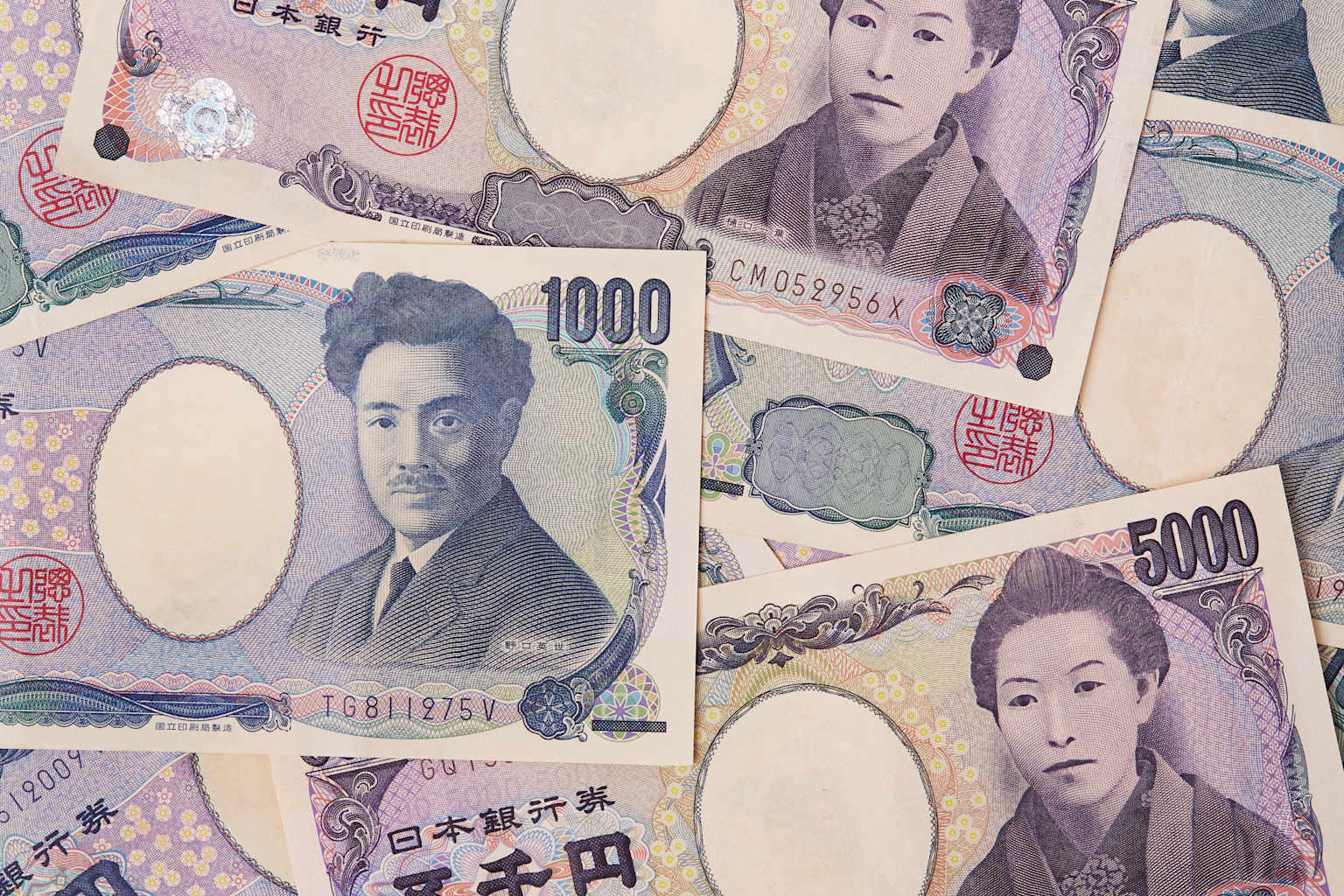
reuterscnbc+1asiaeThe Japanese yen traded near a four-decade low on Monday, hovering around 161.57 per dollar as the wide interest rate differential between the United States and Japan continued to weigh on the currency despite the Bank of Japan's recent rate hike cycle.
The yen remained just above the 162.84 low it touched last week — its weakest level since 1986, according to Reuters. The dollar steadied near a two-week low as investors scaled back bets on a Federal Reserve rate hike this year following a weaker-than-expected U.S. jobs report, but the reprieve for the yen was minimal.reuters
Traders remain on high alert for possible intervention from Tokyo after what appeared to be a sudden bout of yen-buying briefly lifted the currency on Thursday. Japan's Finance Minister has kept markets guessing, declining to confirm or deny whether authorities stepped in. Analysts broadly expect any intervention would serve only to smooth volatility rather than reverse the yen's structural decline.cnn+2
The BOJ raised its policy rate to 1% at its June 16 meeting — the highest since 1995 — in a 7-1 vote. Yet the gap with U.S. rates remains vast. With the Federal Reserve holding its benchmark rate above 5%, the differential continues to attract capital flows toward the dollar.boj+3
According to a report by the Nihon Keizai Shimbun cited by Asia Economy, the Japanese foreign exchange market anticipates the yen-dollar rate could temporarily surpass 165 and even reach the 170 level unless structural policy changes are implemented. Bloomberg reported that hedge funds have expanded bets on a weaker yen to the highest level since 2017.asiae
Japanese government bond yields have been climbing steadily, with the 10-year yield reaching 2.785% as of July 2 and the 30-year yield rising to around 4.05% — near its all-time high of 4.20% set in May. The selloff in bonds reflects growing unease over Japan's fiscal trajectory after Prime Minister Takaichi announced a supplementary budget funded by deficit-covering bonds.tradingeconomics+2
Meanwhile, Japan's producer prices have been accelerating sharply. The PPI rose 6.3% year-on-year in May, well above the expected 5.5%, driven by a weak yen and energy costs linked to the Middle East conflict. The June reading, due Wednesday, is forecast at 6.8%. The combination of rising inflation, fiscal expansion, and a currency at multi-decade lows presents a growing policy challenge for Tokyo authorities caught between supporting growth and defending the yen.reuters+1