Newsletter Subscribe
Enter your email address below and subscribe to our newsletter
[forminator_form id="25163"]

All voices matter
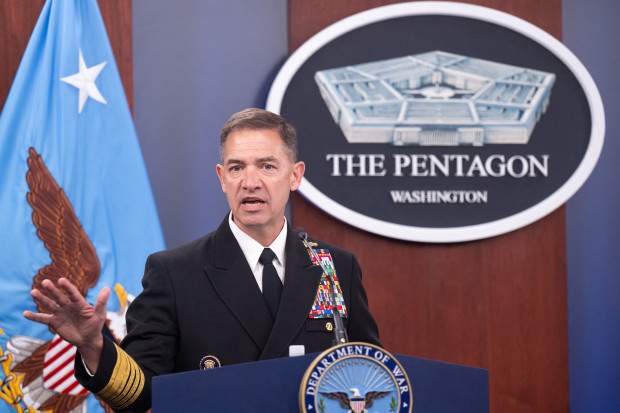
kurdistan24.net+1.iranintl.com.gcaptain.com.Adm. Brad Cooper, commander of U.S. Central Command, said on Friday, October 16, that the United States and its regional partners control the Strait of Hormuz. He said about 400 commercial ships had passed through the waterway in the previous seven days. "Let me be clear: the Strait of Hormuz is controlled by the United States and our regional partners, not Iran. And it remains open for business," Cooper said in a video statement, according to gCaptain. Over the same period, U.S. forces helped Gulf partners ship more than 100 million barrels of crude oil, Shafaq News reported.kurdistan24.net+1
Cooper also said the naval blockade on Iran is still in force. It has stopped all of Iran's seaborne exports and imports except permitted humanitarian aid, Sada News reported.sadanews.ps
Cooper said U.S. operations had kept Iran from exporting at least $25 billion worth of crude. He said they had also helped freeze nearly $350 million in cryptocurrency assets, Iran International reported. "Iran's government is withholding salaries, pensions and benefits to workers in industries such as oil and energy, manufacturing, construction, security and the IRGC itself," he said, per the same report.iranintl.com
He accused Iran's Revolutionary Guards (IRGC) of repeatedly attacking merchant ships. He cited International Maritime Organization figures showing that more than 20 civilian sailors have been killed since February, Kurdistan24 reported. Cooper said more than 50,000 U.S. troops in the region are clearing mines, escorting ships and enforcing the blockade, according to Kurdistan24. Washington first imposed the blockade in April, lifted it in June after a draft U.S.-Iran understanding, and reimposed it on July 14 when that deal collapsed, Iran International noted.kurdistan24.net+1
Other ship-tracking data shows less traffic than Cooper described. The UK Maritime Trade Operations agency (UKMTO) counted 254 transits in the seven days ending October 14. That was down from 275 the week before, and traffic remains about 70% below pre-conflict levels, gCaptain reported. UKMTO said it cannot independently verify the U.S. figures. Cooper did not say which dates his count covered, per gCaptain.gcaptain.com
Before the war, about 138 vessels crossed the strait each day. U.S.-facilitated transits in October have averaged about 30 a day, according to United Against Nuclear Iran's shipping tracker.unitedagainstnucleariran.com
Tehran rejects Washington's account. On Thursday, Iranian army chief Maj. Gen. Amir Hatami said the strait would stay closed until the rights of the Iranian people were respected, gCaptain reported. Army spokesperson Brig. Gen. Mohammad Akraminia accused U.S. forces of steering ships onto a riskier southern route. He urged shipowners to use Iran's designated passage and coordinate with Iranian forces, Shafaq News reported.api.shafaq.com+1
Earlier on Friday, Iran's navy said it had spotted a burning oil tanker east of the strait. It did not name the vessel or explain what caused the fire, according to Shafaq News.api.shafaq.com