Newsletter Subscribe
Enter your email address below and subscribe to our newsletter
[forminator_form id="25163"]

All voices matter
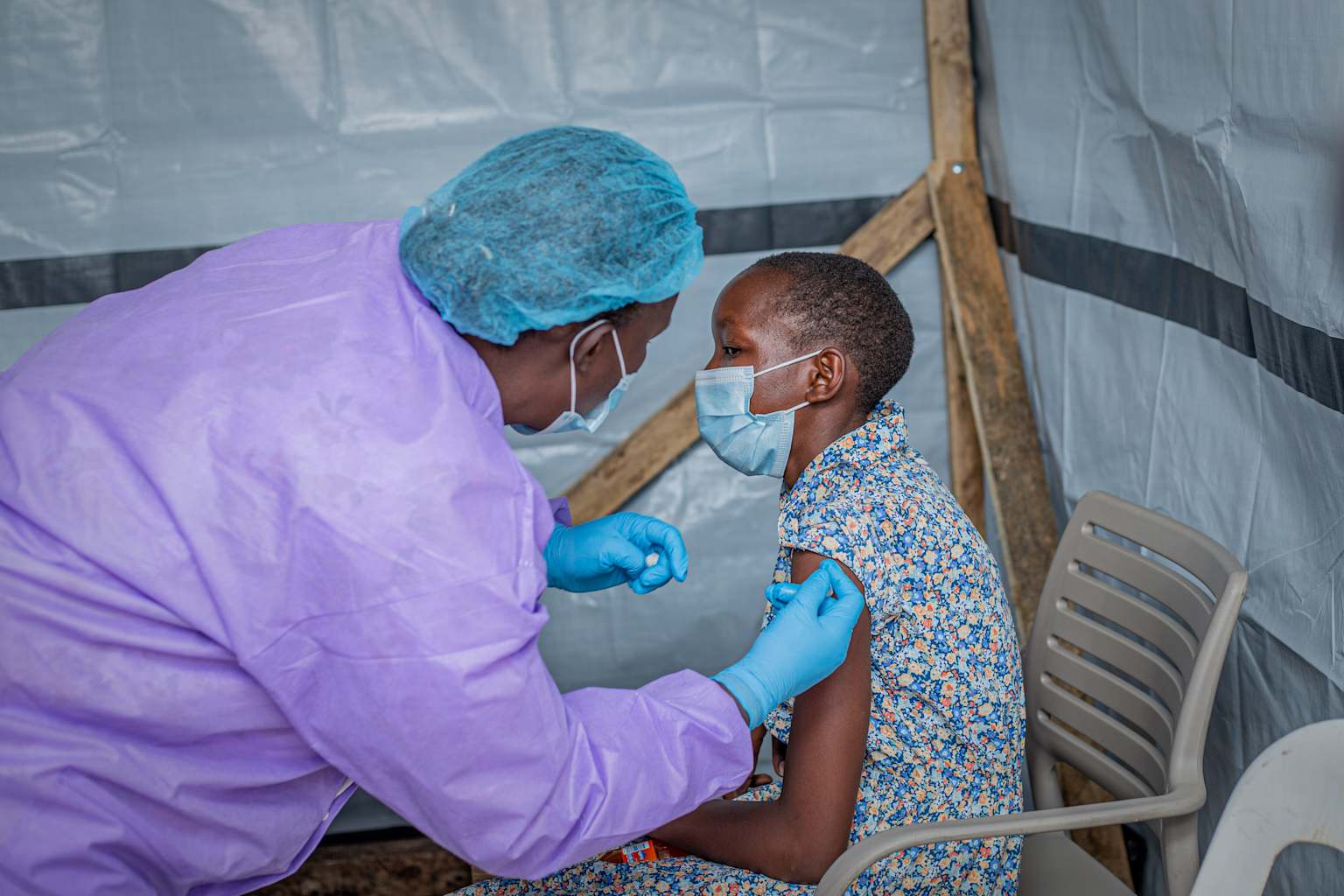
who.int+1.ecdc.europa.eu.who.int+1.Moderna said on Wednesday, November 4, that WHO advisers have recommended its experimental Bundibugyo ebolavirus vaccine, mRNA-1469, for a Phase 2/3 efficacy study in the Democratic Republic of the Congo. The company said early clinical results were encouraging. The World Health Organization said its expert groups also recommended ChAdOx1, a vaccine developed by the University of Oxford with the Serum Institute of India. Both will join the ongoing Tumaini trial once national approvals come through.who.int+1
According to WHO, this will be the first time vaccines built specifically against Bundibugyo virus are tested during an outbreak of the disease. WHO expects vaccine trial results in early 2027.who.int
Tumaini tests several vaccine candidates within a single trial. It uses ring vaccination, which means vaccinating the contacts of people with confirmed Bundibugyo virus disease. The method builds on the Guinea trial that showed Ervebo works against Zaire ebolavirus during the West Africa outbreak. WHO said four vaccination rings are already in place and more are being prepared. The DRC's Institut National de Recherche Biomédicale and the University of Antwerp co-sponsor the randomized, blinded study, which is overseen by the DRC Ministry of Health.stocktitan.net+1
Moderna said WHO's Technical Advisory Group on Candidate Vaccine Prioritization reviewed the evidence on October 22. Interim Phase 1 data from healthy adults in Canada showed the shot was generally well tolerated, and a single dose produced strong antibody responses against Bundibugyo virus. The Coalition for Epidemic Preparedness Innovations (CEPI) has committed up to $58.5 million to support the program. "We now have an opportunity to evaluate whether our investigational vaccine can help protect people," said Moderna CEO Stéphane Bancel.stocktitan.net
No licensed vaccine exists specifically for Bundibugyo virus disease. As of November 2, the DRC had reported 10,532 confirmed cases and 5,126 deaths across eight provinces since the outbreak began in May, and community transmission is ongoing. Ituri province remains the hardest hit. The U.S. Centers for Disease Control and Prevention now requires passengers on international flights to the United States to attest that they have not been in the DRC in the previous 21 days.ecdc.europa.eu+2
Research on treatments is also moving forward. The PARTNERS trial, launched in July, is testing the monoclonal antibody MBP134, the antiviral remdesivir, or both together, and maftivimab will soon be added. WHO expects early findings from the treatment trials in the coming months.who.int
"Vaccines alone will not end this outbreak, but they could become a powerful new tool for bringing it under control," said WHO Director-General Tedros Adhanom Ghebreyesus.who.int