Newsletter Subscribe
Enter your email address below and subscribe to our newsletter
[forminator_form id="25163"]

All voices matter
247wallst.com.cnbctv18.com+1.cnbc.com+1.The largest US technology companies are borrowing heavily again to pay for artificial intelligence, and lenders are charging them more to do it. Over about a week, Microsoft , Oracle , Alphabet and Meta together raised more than $55 billion in debt. Before that, Big Tech had stayed out of the US bond market for almost three months, after a debt binge in the hundreds of billions of dollars rattled investors.thestar.com.my
Investors are still buying. But both the yields on these bonds and the cost of insuring them against default have gone up.
Microsoft started the run on October 29 with $25 billion of bonds in 10 tranches, its first US investment-grade sale since 2017. Orders reached about $115 billion. On Monday, November 2, Oracle sold $10 billion of bonds and the same amount of stock. It paid roughly 0.3 percentage point more than on its existing debt. The same day, Alphabet raised €6 billion in Europe, paying well above typical new-issue premiums after an earnings miss pushed its credit-default swap spreads to a record high.cnbctv18.com+1
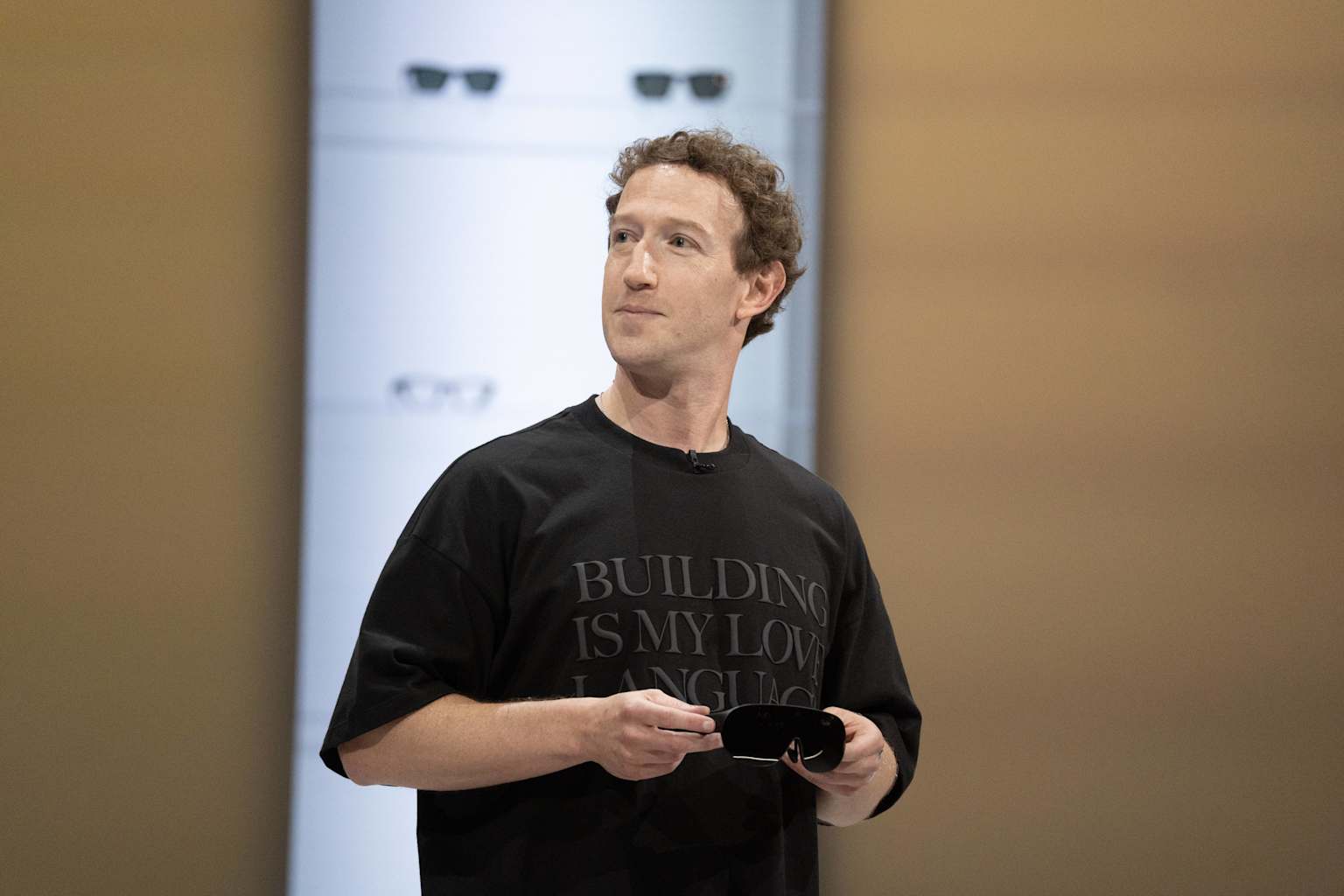
Meta priced $15 billion of dollar notes in five parts on Tuesday. Orders reached as much as $58 billion, and the 30-year bond yields about 7.53%. The company was targeting $20 billion to $25 billion in total, with about one-third in euros.247wallst.com+1
On October 30, S&P Global Ratings kept Meta's AA- rating but moved its outlook to negative. The agency cited "uncertainty" over Meta's capital spending, which the company expects to reach $135 billion to $145 billion this year, and its negative free cash flow. A Meta spokesperson said the company's credit profile remains very strong.cnbc.com+1
The cost of insuring debt from Amazon Amazon.com, Inc. , Alphabet, Microsoft, Meta and Oracle against default has risen to its highest level since 2021, according to bond data provider Solve. Oracle's spreads widened by more than a percentage point. Investors also set records buying protection against a fall in CoreWeave shares through put options. Goldman Sachs The Goldman Sachs Group, Inc. estimates that the five hyperscalers have issued $271 billion of debt so far this year.marketwatch.com+1
Borrowing costs now differ widely by company. Oracle's 10-year bonds priced to yield about 8%, compared with about 5.5% for Microsoft's. The average spread on high-grade tech bonds rose to 1.08 percentage points, from 0.76 at the end of 2025.thestar.com.my+1
"The competition for capital has been so fierce that everyone is paying up to borrow," said Matt Brill of Invesco . Grant Nachman of Shorecliff Asset Management said Oracle showed that hyperscalers can still borrow, "but that access came at a price".marketwatch.com+1