Newsletter Subscribe
Enter your email address below and subscribe to our newsletter
[forminator_form id="25163"]

All voices matter
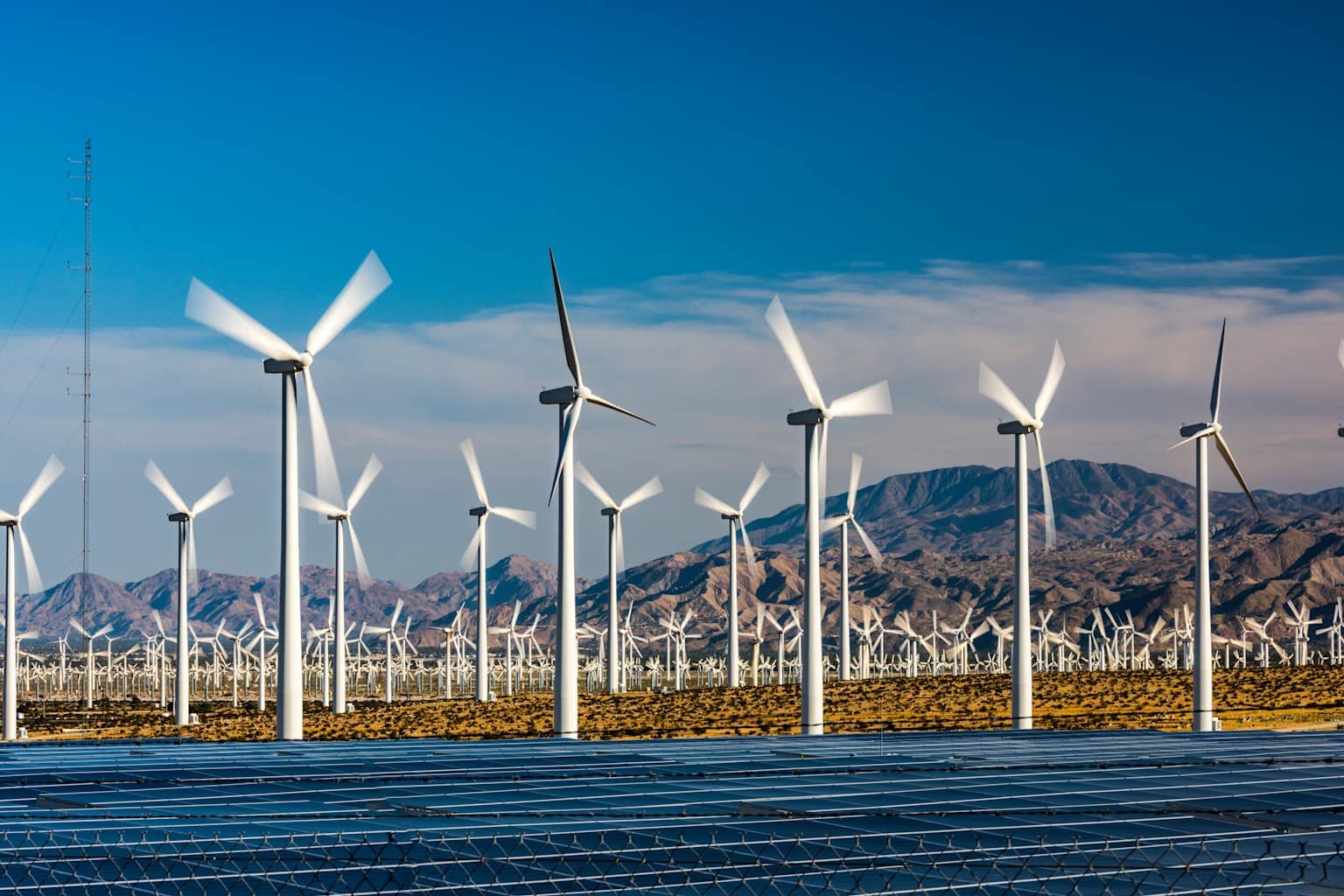
apnews+1cleaninvestmentmonitor+1energyandcleanairSeven months after the United States and Israel launched military operations against Iran, the conflict has prompted more than 30 governments to adopt policies favoring clean energy — yet global greenhouse gas emissions continue to climb and clean energy investment has lost momentum worldwide.
The Associated Press reported Wednesday that 33 governments had adopted policies to switch from fossil fuels to electricity or improve energy efficiency in response to the war, as of September 9, according to the International Energy Agency. The Netherlands, Spain and the United Kingdom are among the most aggressive, pursuing electric vehicle incentives, renewable energy expansion, heat pump adoption and building retrofits simultaneously.military+2
Despite this wave of policy action, global greenhouse gas emissions rose 0.2% in the first half of 2026 compared with the same period a year earlier, according to Climate TRACE. And global investment in clean technology manufacturing and deployment fell 17% in the first half of 2026 compared with the first half of 2025, according to Rhodium Group's Clean Investment Monitor, driven largely by a decline in China.apnews+2
The war has produced the largest sustained oil price shock since the 1990 Gulf War. Fossil fuel importers have paid $330 billion more than pre-war market expectations for seaborne crude oil, refined products and liquefied natural gas in the six months since the conflict began, according to the Centre for Research on Energy and Clean Air. The European Union bore the largest share at $78 billion, followed by China and India.energyandcleanair+1
Countries that had invested in clean energy after previous energy crises saved an estimated $36 billion in avoided fossil fuel imports during the first five months of the conflict, the same research found, with China and Japan saving the most.military
The picture differs sharply by region. In the U.S., Europe and India, where economies are more exposed to volatile oil and gas prices, solar investment grew and wind investment held stable or increased, said Hannah Pitt, a director at Rhodium. U.S. clean technology investment in the second quarter of 2026 reached $75 billion, a 22% increase from the first quarter and the second-highest quarter on record.cleaninvestmentmonitor+2
Experts remain divided on whether the war will ultimately accelerate or hinder the energy transition. Princeton climate and international affairs professor Michael Oppenheimer wrote that while many anticipated a rush toward other fossil fuel sources, "at this point, it looks like events could turn out to be a net winner for renewables".apnews
Stanford climate scientist Rob Jackson acknowledged he had not expected oil prices to remain above $90 or $100 a barrel for so long, but cautioned that sustained action over "years, to decades" is needed to make a dent in the climate problem.military
Samantha Gross of the Brookings Institution said the war is reframing the energy transition as a matter of national security, not just environmental policy. "That widens the appeal," Gross said. "It brings in not just people concerned about the green side, but people concerned about hard security".apnews