Newsletter Subscribe
Enter your email address below and subscribe to our newsletter
[forminator_form id="25163"]

All voices matter
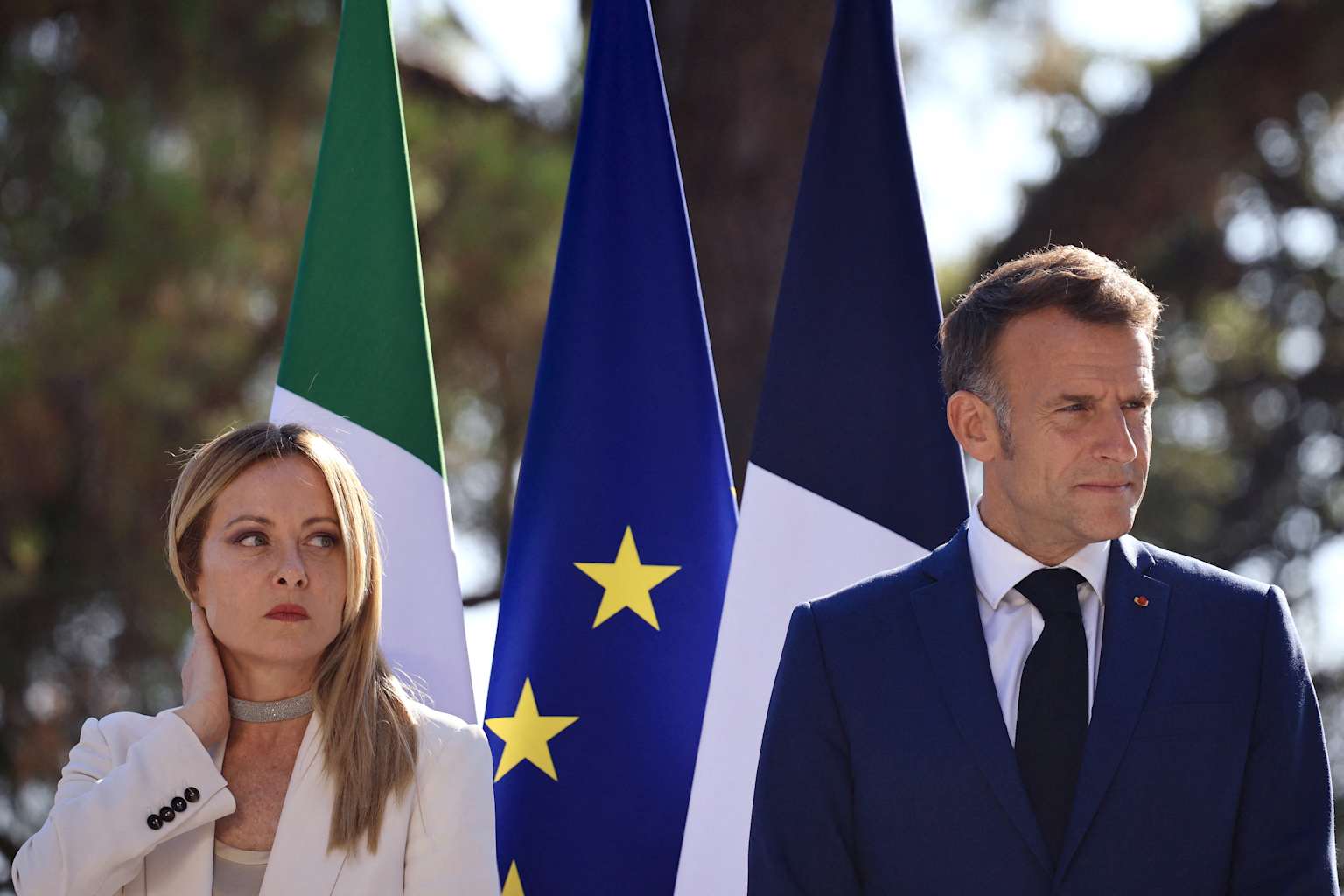
eurasiabusinessnews+1euronews+1euronewsAcross Europe, governments are scrambling to shield consumers from surging fuel prices as the Middle East conflict disrupts global oil supply routes, pushing diesel costs to near-record levels and sparking protests in France.
The latest escalation stems from a drone attack on Saudi Arabia's 1,200-kilometre East-West oil pipeline, a critical route that bypasses the contested Strait of Hormuz. Saudi Arabia shut the pipeline on September 10 after drones launched from Iraq struck it in the Riyadh and Medina regions, according to Al Jazeera. The Associated Press reported that the pipeline will remain mostly out of service for weeks. The disruption threatens up to 4% of global oil supply, with Brent crude trading above $113 a barrel as Houthi forces simultaneously tightened their grip on the Bab el-Mandeb Strait. Homayoun Falakshashi, head of crude oil analysis at Kpler, told Euronews Euronext N.V. that 3.5 to 4 million barrels per day of exports are at risk, plus an additional 1.5 million barrels feeding western Saudi refineries, making the disruption "bullish for diesel" regardless of supply outcomes.euronews+3
In France, diesel reached €2.37 per litre on Thursday, just below its all-time record of €2.38, according to AFP data cited by Le Monde. Fishermen blocked the ports of Nice and Sète and an oil depot in Frontignan, with protests spreading across southern departments since Monday. "We've really had enough," fisherman Tony Dalmasso told AFP. Reuters reported that the blockades are adding to pressure on Prime Minister Sébastien Lecornu's government as it prepares a deficit-cutting 2027 budget ahead of next year's presidential election. Lecornu on Wednesday extended fuel subsidies for fishermen to 35 cents per litre, construction firms to 20 cents per litre, and farmers to 15 cents per litre through year-end. Meanwhile, TotalEnergies has capped prices at €1.99 per litre at its stations, drawing long queues from motorists.eurasiabusinessnews+4
Italy's Prime Minister Giorgia Meloni announced the abolition of stamp duty on small and medium-powered cars, covering roughly 70% of the country's fleet, along with a phased diesel discount starting September 18. Spain doubled its diesel tax cut to 20 cents per litre from September 1. Germany, where petrol and diesel prices reached €2.45 per litre, is debating measures including a temporary VAT cut and direct payments, though Chancellor Friedrich Merz has yet to finalize a plan. A European Commission spokesperson told Euronews there is "no supply problem in the EU at the present time," but acknowledged that the conflict's evolution could further tighten markets. With six EU member states pushing for a windfall-profit tax on energy companies at an informal finance ministers' meeting on September 18-19, the political stakes are rising alongside the price at the pump.euronews+1