Newsletter Subscribe
Enter your email address below and subscribe to our newsletter
[forminator_form id="25163"]

All voices matter
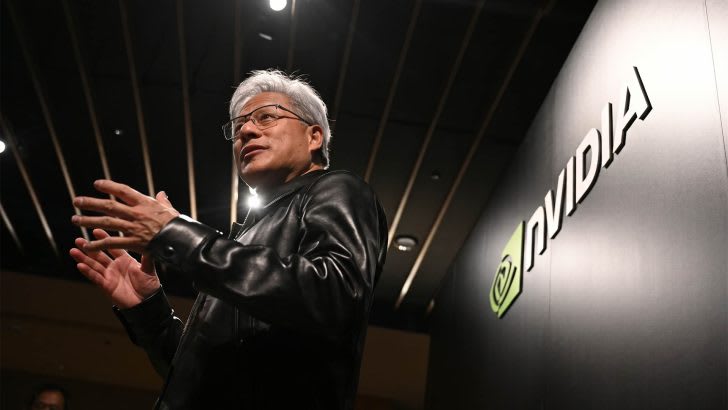
fortunewashingtonexaminer+1washingtonexaminerAs the yield on the 10-year U.S. Treasury note hovers near 4.8% and the national debt has surpassed $40 trillion, a growing number of investors are looking to an unlikely haven: Chinese government bonds. Speaking at the Fortune Leaders Forum in Macau on Sept. 8, Louis-Vincent Gave, founding partner and CEO of Hong Kong–based Gavekal, argued that Chinese debt is emerging as a counterweight to America's deteriorating fiscal picture.fortune
"This is where, increasingly, the markets are starting to diverge, where you're looking at the U.S. Treasuries delivering horrible returns, and Chinese government bonds delivering very good returns," Gave said.fortune
The 10-year Chinese government bond yields below 1.7%, compared with roughly 4.8% on its U.S. counterpart — a spread of more than 300 basis points that Bloomberg reported is approaching a record high. Normally, higher U.S. yields attract capital. But the dynamics have shifted: the U.S. is borrowing heavily to finance the war with Iran, oil prices hit $100 a barrel for Brent crude on Sept. 9 due to the continued blockade around the Strait of Hormuz, and interest payments now absorb 13.5% of all federal spending.washingtonexaminer+2
China's near-zero inflation means the real return on its bonds is unusually stable. Foreign investors increased their holdings of Chinese onshore yuan bonds by 90 billion yuan to 3.21 trillion yuan — about $475 billion — in May 2026, the first increase since April 2025. Meanwhile, China has been reducing its own exposure to U.S. Treasuries, with holdings falling to $633.4 billion in June 2026, the lowest on record.tradingeconomics+1
Gave acknowledged the limits of the China thesis. "China should be going gangbusters, and it's not," he said, blaming weak consumer and business confidence. GDP growth, retail sales, and investment remain sluggish after Beijing directed pandemic-era stimulus toward businesses rather than households.washingtonexaminer+1
Still, Gavekal Research has argued since March that Chinese government bonds are emerging as de facto reserve assets, potentially at the expense of gold and U.S. Treasuries. The dollar's share of global foreign-exchange reserves fell to 56.77% in the fourth quarter of 2025, its lowest since 1995, while the renminbi's share edged up to 1.95%.bloomberg+1
The bond market strain extends well beyond the United States. Long-term government bond yields in Britain, Germany, and Japan have also risen to multi-year highs, as governments compete with corporations for investor capital. Treasury Secretary Scott Bessent's recent move to double buyback operations for long-dated bonds offered only temporary relief before yields drifted back.straitstimes+3
"Ninety percent of the time, when things go well, you want to be invested in the U.S.," Gave said. "But the 10% of times where it goes badly, you want to be in China."fortune