Newsletter Subscribe
Enter your email address below and subscribe to our newsletter
[forminator_form id="25163"]

All voices matter
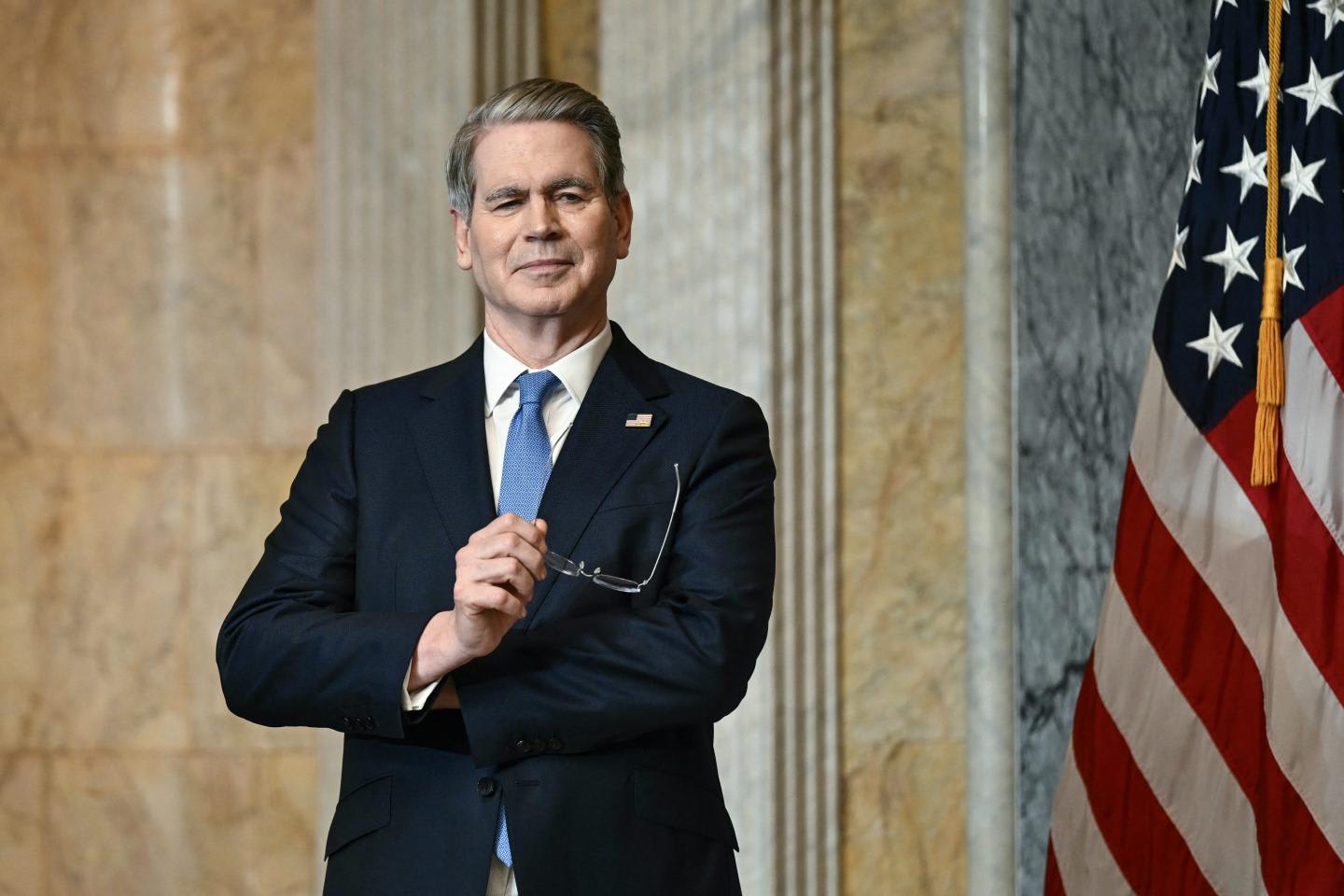
wkzo+1wkzo+1wkzoThe U.S. dollar drifted lower on Tuesday, trapped between two competing policy signals that have left currency markets struggling for direction: Federal Reserve Chairman Kevin Warsh's hawkish pledge to fight inflation and Treasury Secretary Scott Bessent's expanded bond buyback program that has stoked fears of a deliberately weaker greenback.
The dollar index hovered near 99.5, unable to sustain gains despite a sharp rise in rate-hike expectations following Warsh's debut speech at the Jackson Hole symposium last week. Traders are now pricing in a 65% chance of a Fed rate hike at the September 15-16 meeting, up from 41% a week earlier, according to the CME FedWatch tool.wkzo+2
Warsh warned the Fed will "have work to do" if inflation does not cool toward its 2% target, a message that would typically bolster the dollar. But those gains have been offset by Bessent's decision to double planned Treasury buyback operations from $2 billion to at least $4 billion per auction for September through November, announced after the 30-year Treasury yield surged to 5.34% in mid-August — its highest since 2007.sjvsun+3
The buyback expansion rattled overseas investors and reignited speculation that the Trump administration favors a weaker dollar. Erik Nelson, a strategist at Wells Fargo , argued the Fed may fail to deliver the magnitude of hikes currently priced in, warning that the dollar could weaken further in September if expectations are not met.nai500
"It is notable that higher oil prices and Treasury yields have failed to support the USD," said Carol Kong, a currency strategist at Commonwealth Bank of Australia. "The overnight USD weakness may reflect markets reassessing whether Chair Warsh's hawkish stance is sufficient to restore Fed credibility."wkzo
The yen steadied near 159.81 per dollar on Tuesday after Bessent ramped up pressure on the Bank of Japan to raise rates, telling CNBC Comcast Corporation at a G-20 gathering: "I have information that the market doesn't have, and it's my belief that the Japanese government and the BOJ will do the things that will lead to a stronger yen." Markets are pricing a 73% chance of a BOJ hike this month, though analysts say one increase alone may not be enough to sustainably pull the yen away from 160.freemalaysiatoday+1
Renewed U.S.-Iran hostilities added another layer of uncertainty, pushing Brent crude above $91 a barrel and sending the 10-year Japanese government bond yield to 3% for the first time in 30 years.wkzo
Investor attention now turns to a packed economic calendar. U.S. ISM Manufacturing PMI and JOLTS data are due Tuesday, with the critical August jobs report on Friday expected to show a gain of 55,000 positions. Alex Cohen, a strategist at Bank of America , said the data will be decisive: "If employment and inflation come in soft, the Fed may hold rates steady; if the data are stronger than expected, the rate-hike option returns to the table."business-standard+2