Newsletter Subscribe
Enter your email address below and subscribe to our newsletter
[forminator_form id="25163"]

All voices matter
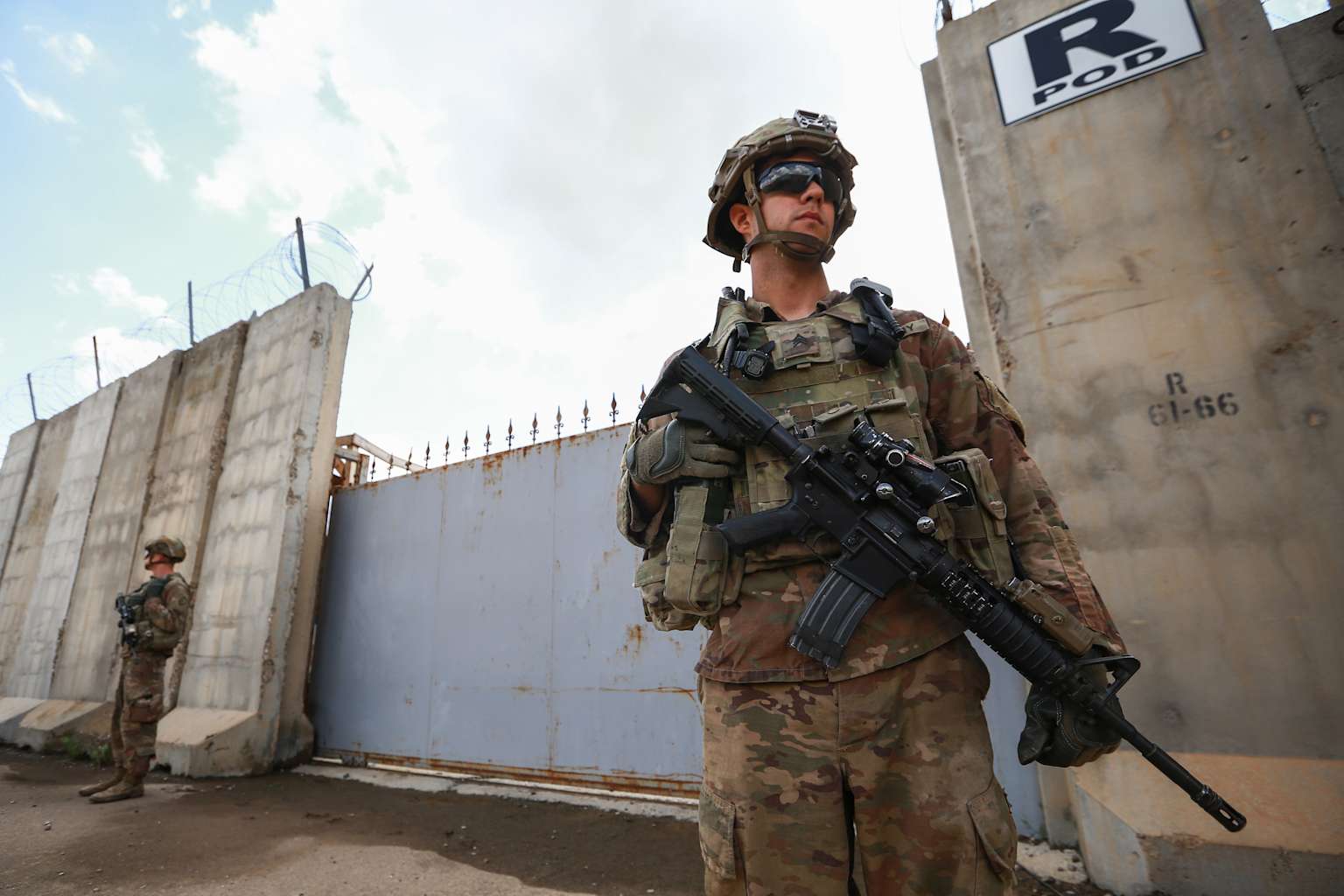
reuters+1dw+1reuters+1The last American troops are set to leave their remaining bases in Iraq on Wednesday, September 30, bringing to a close more than two decades of US military presence in a country where 4,500 Americans died and Washington spent trillions of dollars.reuters+1
The withdrawal, agreed upon in 2024 under President Joe Biden and carried out by the Trump administration, concludes the US-led Operation Inherent Resolve mission against the Islamic State group, which began in 2014. Iraq's Prime Minister Ali al-Zaidi declared October 1 the start of a new era, announcing four public holidays to mark what his government is calling "Independence Day."aljazeera+1
Iran and its allied armed groups have cast the departure as a triumph. Abu Mojtaba al-Yasiri, a commander in the Islamic Resistance in Iraq, an umbrella group of Iran-backed factions, called it "a historic victory for the Iraqi Islamic resistance groups and honorable Iraqis, and a crushing defeat for the American project."militarytimes+1
"On September 30, we will celebrate the turning of a black page in Iraq's history and the failure of the occupation to impose its will on our country," he told Reuters.militarytimes
Iraqi analyst Jasim al-Bahadli warned that pro-Iranian militia groups would "seek to translate that momentum into greater influence over security and political decision-making." Al-Zaidi has set a June 2027 deadline for all armed groups to surrender their weapons, but powerful factions including Kata'ib Hezbollah and Harakat al-Nujaba have given no indication they will comply, according to Alina L. Romanowski of the Atlantic Council. Several senior Iraqi officials told AFP that Iran will not accept the factions handing over weapons while the regional war continues.reuters+3
The departure also raises concerns about the Islamic State. Kurdish commander Sirwan Barzani said forces had observed increased movement by sleeper cells since the withdrawal timeline became public. "This has boosted, in my opinion, the morale" of the fighters, he told Reuters.reuters+1
Retired Iraqi Army General Mohammed al-Jubouri warned that one worst-case scenario would be Islamic State obtaining armed drones "at a time when Iraq still lacks sufficient air defense capabilities to counter such threats effectively."reuters
The withdrawal does not sever US-Iraqi ties entirely. According to Al Jazeera, the two countries are expected to revert to a 2008 Strategic Framework Agreement pledging continued, if non-binding, American security support. Al-Zaidi told The New York Times earlier this month that both the US and Iran-aligned militias have agreed to refrain from attacks for 90 days following the withdrawal.aljazeera
For Iraq, the challenge is navigating between two warring powers. Renad Mansour, director of the Iraq Initiative at Chatham House, told Al Jazeera that the Iraqi government's deeper anxiety is that "the US might not need Iraq anymore, or might, in the worst case, view Iraq as a pariah state, too close to Iran."aljazeera
In Fallujah, Sunni tribal leader Abdulrahman al-Zobaie offered a blunter assessment. "All Iraqis aspire to full sovereignty, and no Iraqi would dispute that," he told Reuters. "But I believe that the coalition leaving in this way and creating a vacuum is what all Iraqis fear."militarytimes+1