Newsletter Subscribe
Enter your email address below and subscribe to our newsletter
[forminator_form id="25163"]

All voices matter

vpm+1al-monitoryoutubePresident Donald Trump announced on Monday that the United States would reinstate its naval blockade targeting Iranian ships in the Strait of Hormuz, marking a dramatic escalation after weeks of fragile diplomacy collapsed into renewed military strikes between the two nations.
U.S. Central Command said the blockade would begin Tuesday at 4 p.m. ET, reviving the maritime restrictions that were first imposed in April and lifted in June as part of a now-faltering memorandum of understanding between Washington and Tehran.vpm+1
"We are reinstating THE IRANIAN BLOCKADE, so named because it is only stopping Iran's ships or customers from entering or leaving," Trump wrote in a post online Monday. He added that other nations' cargo would be permitted to transit the strait but subject to a 20% toll as "reimbursement" for the U.S. "providing safety and security to this very volatile section of the World."youtube+1
The move came after a weekend of military exchanges between the U.S. and Iran, with both sides claiming control over the strategic waterway through which roughly a fifth of the world's oil supply passes. The Trump administration formally notified Congress that the nation is once again at war with Iran, restarting a 60-day clock for military action without congressional approval, according to Bloomberg Television reporting.youtube
The reinstatement effectively dismantles the interim agreement signed June 17 in Geneva, under which Iran committed to allow safe commercial passage through the strait and the U.S. agreed to lift its blockade and issue waivers for Iranian oil exports. The deal established a 60-day window for negotiating a permanent resolution to the conflict that began with U.S.-Israeli strikes on Iran in late February.al-monitor+1
Oil prices surged on the announcement, with Brent crude climbing above $83 a barrel as markets priced in prolonged disruption to global energy flows.youtube
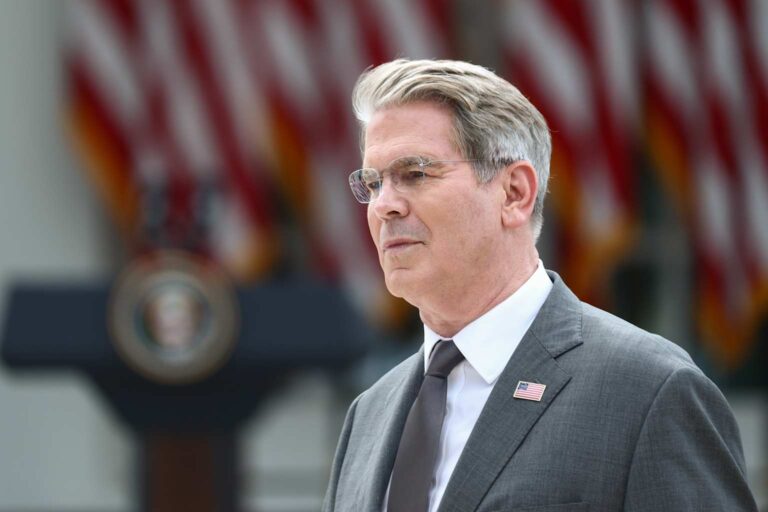
The blockade is the latest in a series of escalating U.S. measures against Tehran. In May, Treasury Secretary Scott Bessent used the G7 finance ministers meeting in Paris to urge allies to adopt a coordinated sanctions framework aimed at cutting off financing to Iran's "war machine," as Reuters reported. The U.S. and Gulf Arab nations also drafted a UN Security Council resolution demanding Iran halt attacks on shipping and disclose mine placements, though Russia and China vetoed the measure in early May.reuters+3
The U.S. Treasury has separately sanctioned individuals and companies facilitating Iranian oil shipments, including entities in Hong Kong, the UAE, and Oman linked to the Islamic Revolutionary Guard Corps.reuters