Newsletter Subscribe
Enter your email address below and subscribe to our newsletter
[forminator_form id="25163"]

All voices matter
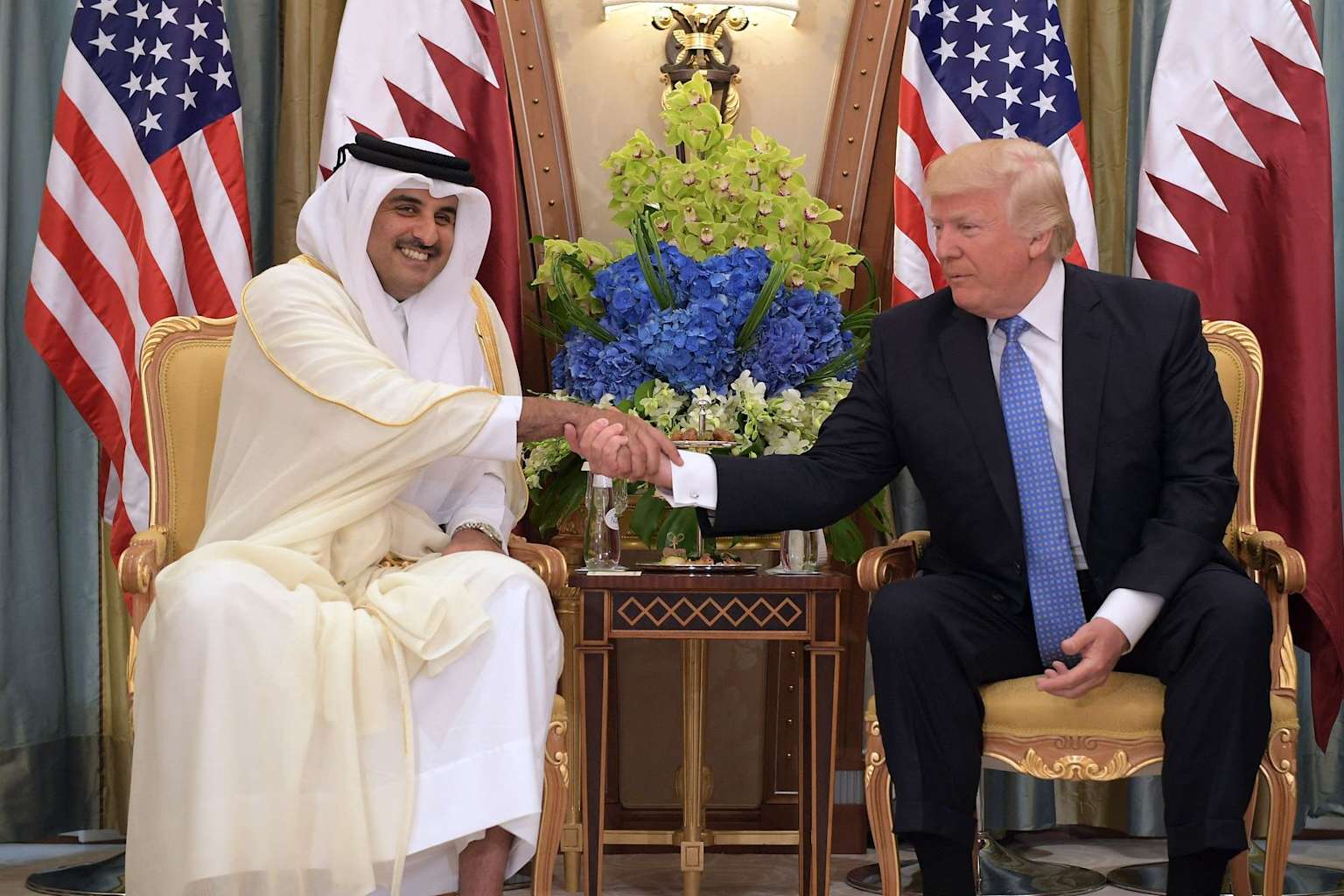
apnews+1reuters+1lemonde+1President Donald Trump on Tuesday reversed his plan to impose a 20% fee on cargo transiting the Strait of Hormuz, announcing instead that Gulf states would make trade and investment deals with the United States. The reversal came roughly 24 hours after Trump declared the U.S. would become "the Guardian of the Hormuz Strait" and demand reimbursement from commercial shipping.cnbc+1
"Based on highly productive conversations with Middle East leadership, I have decided to replace the 20% United States Reimbursement Fee with Trade and Investment Deals that the various Gulf States will be making into the United States," Trump said on Truth Social.kbzk+2
The original proposal, announced Monday as the U.S. reinstated its blockade of Iranian shipping and launched fresh strikes against Iran, drew immediate criticism from multiple directions. The International Maritime Organization said there was "no legal basis through which to introduce mandatory tolls simply to transit through a strait." Marc Weller, head of the International Law Programme at Chatham House, told Al Jazeera Alphabet Inc. that neither the United States nor Iran had the legal right to impose mandatory transit fees under customary international law.fortune+3
The shipping industry warned the fee would dramatically raise energy costs. The New York Times reported the levy could add $16 per barrel to oil transportation costs through the strait. Analysts at the Center for Strategic and International Studies said Gulf countries would "take a dim view" of the proposal. The CBC reported that experts described the toll as opening "a very dangerous Pandora's box" for international shipping chokepoints.nytimes+2
The rapid policy shift capped a turbulent sequence in the broader U.S.-Iran conflict. After a ceasefire signed in June collapsed in early July, the two sides resumed strikes, and ship traffic through the strait dropped 52% between July 10 and 12, according to maritime tracking data cited by Le Monde. Oil prices rose sharply after Trump's Monday announcement, with Brent crude futures climbing above $82 a barrel.lemonde+1
Trump's initial toll proposal represented a reversal of Washington's own earlier position. During the June ceasefire negotiations, the administration had insisted the strait must remain open without fees, and Trump himself had said Iranian tolls would be "unacceptable." The about-face to demanding a U.S.-imposed fee — and then abandoning it within a day — underscored the ad hoc nature of policy toward the waterway that once carried 20% of the world's hydrocarbons.youtube+3