


Newsletter Subscribe
Enter your email address below and subscribe to our newsletter
[forminator_form id="25163"]

All voices matter
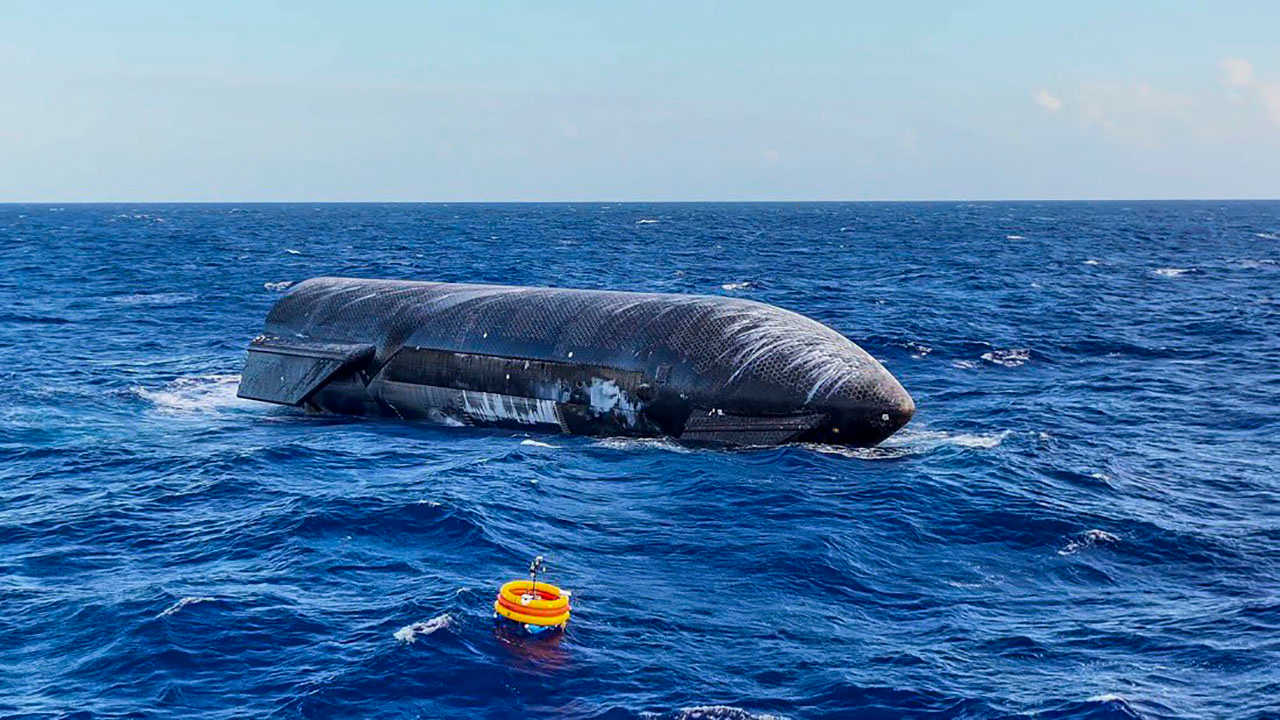
teslaoracle+1france24+1reutersMore than 100 hours after achieving its softest splashdown ever, SpaceX's Starship upper stage remains afloat in the Indian Ocean, and the company is now sending a vessel to retrieve it.
During the 13th integrated flight test on July 24, the Starship vehicle known as Ship 40 executed a controlled landing burn and touched down intact in the Indian Ocean west of Australia. "Starship is intact, floating in the ocean and transmitting telemetry!" Elon Musk wrote on X shortly after splashdown. SpaceX spokesperson Dan Huot called it "a dream scenario for the team that's trying to get this heat shield data".france24+2
The 407-foot-tall rocket launched from SpaceX's Starbase in Texas, with the Super Heavy booster separating and returning to the Gulf Coast while the Starship upper stage completed a sub-orbital hop to the Indian Ocean. It was the first time SpaceX put an intact Starship in the water.spaceflightnow+1
By July 27, satellite imagery confirmed Ship 40 was still floating after 56 hours. On July 28, Musk confirmed that SpaceX is dispatching a recovery vessel to retrieve the spacecraft. As of July 29, the vehicle had been adrift for more than 100 hours.instagram+3
Reuters reported that SpaceX has been in talks with U.S. and Australian officials about landing and recovering Starship vehicles off Australia's coast. The discussions involve both export control permissions from the U.S. State Department and agreements with the Australian government. Sources indicated the effort could serve as a first step toward a potential Australian launch or catch infrastructure for Starship.reddit+1
SpaceX has signaled it plans to attempt a tower catch of the Starship upper stage on a future flight, a maneuver the company has already demonstrated with the Super Heavy booster. The recovery of Ship 40, while unlikely to yield a vehicle fit for reflight due to saltwater exposure, would give engineers their first hands-on look at a Starship heat shield after reentry — data considered critical for NASA's Artemis lunar program, which depends on a modified Starship to carry astronauts to the Moon's surface.facebook+2


