Newsletter Subscribe
Enter your email address below and subscribe to our newsletter
[forminator_form id="25163"]

All voices matter
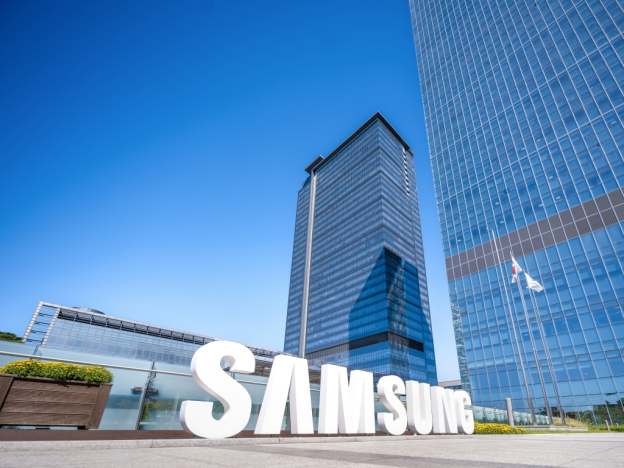
biz.chosun+1news.samsung+1finance.yahooSamsung Electronics disclosed on Thursday during its second-quarter earnings conference call that 2-nanometer process orders in 2026 are expected to more than double compared with the prior year, fueled by growing demand from cloud, AI, and high-performance computing customers.
The company said it has won 2nm projects from major cloud service providers and AI chip customers, with those clients now in the product design phase. Samsung added that it is continuing to expand leading-edge process orders while discussing various projects with major customers, including Broadcom .biz.chosun
The disclosure represents a notable acceleration. In January, Samsung had projected 2nm order growth of more than 30 percent year over year. The upgraded outlook follows a landmark memorandum of understanding signed with Broadcom on July 25 at an AI Summit in San Francisco, under which the two companies expect collaboration valued at more than $200 billion across memory and foundry over five years through 2030.trendforce+2
The MOU spans two fronts. On memory, Samsung will supply high bandwidth memory, including HBM, for Broadcom's next-generation AI accelerators. On the foundry side, the collaboration centers on Samsung's 2nm and below process technologies for Broadcom products, including wireless broadband communications solutions. The agreement is also expected to extend to advanced packaging using 2.3D and 2.5D integration to deliver higher-performance AI and networking silicon.news.samsung+1
The deal comes as Broadcom races to meet surging demand for custom AI accelerators. The company has projected AI semiconductor revenue exceeding $16 billion, representing more than 200 percent year-over-year growth. Securing HBM and advanced packaging capacity is essential to fulfilling that pipeline, particularly as rival Nvidia recently struck a $500 billion supply agreement with SK hynix .marketbeat
Samsung's foundry division has been working to close the gap with Taiwan Semiconductor Manufacturing , which dominates advanced chip production and packaging. Samsung began mass production of second-generation 2nm mobile chips in the second half of 2026 and is pursuing further node improvements through 2028. The Broadcom partnership offers Samsung a high-profile customer that could validate its process technology in the AI market, while giving Broadcom an alternative to TSMC's supply-constrained advanced packaging lines.sammobile+1
Samsung reported record second-quarter operating profit of 89.4 trillion won, roughly 19 times what it earned in the year-earlier period, driven largely by memory and AI-related demand.finance.yahoo+1