Newsletter Subscribe
Enter your email address below and subscribe to our newsletter
[forminator_form id="25163"]

All voices matter
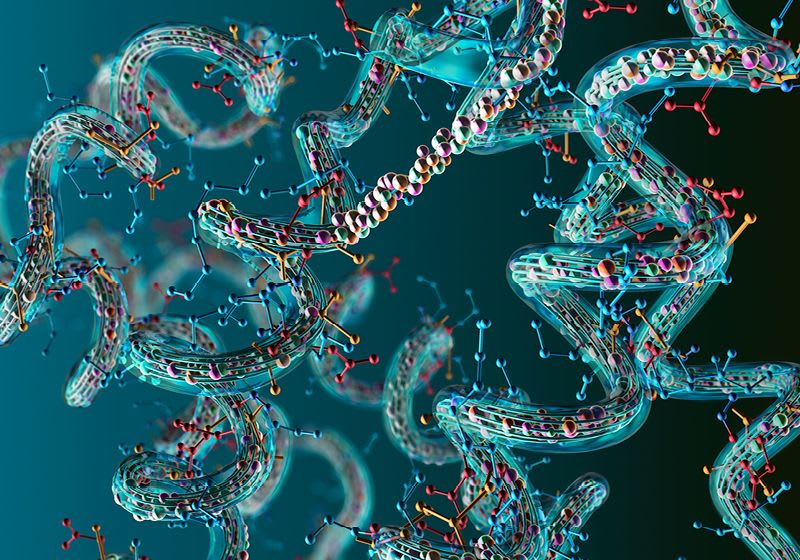
arstechnica+1arstechnica+1arstechnica+1Scientists have developed a way to run two separate genetic codes at the same time within a single biological system, bypassing one of the most fundamental constraints in synthetic biology. The research, published in Nature on August 26, 2026, introduces a robotic platform that can rapidly prototype redesigned genetic codes without altering the genomes of living cells.arstechnica+1
The standard genetic code — shared by virtually all life on Earth — uses 64 three-letter sequences called codons to specify 20 amino acids. Changing even one codon assignment typically requires re-engineering every gene that relies on it, a laborious process that has limited progress in the field of genetic code expansion.arstechnica
The new approach sidesteps this problem by operating outside living cells entirely. The team developed a system called Automated Genetic tRNA Expansion, or AGENTEX, which uses robotic, cell-free translation systems to prototype new genetic codes in parallel. By working in a test-tube environment, researchers can reassign codons to non-standard amino acids — those not found in nature — without disrupting the existing cellular machinery that every organism depends on.sciencenews.strategian+2
The key advance is the ability to maintain two distinct sets of codon-to-amino-acid assignments functioning simultaneously. In a living cell, altering the genetic code risks breaking the thousands of proteins that depend on it. The cell-free platform eliminates this conflict, allowing one code to operate alongside another without interference.arstechnica
While the system has not yet been tested inside a living cell, and the researchers acknowledge that doing so may introduce complications, the platform allows rapid iteration that was previously impossible. The multiplexed robotic approach can design, build, and test multiple code variants at once, accelerating the pace of discovery.aiche.confex+1
The work builds on years of incremental progress in genetic code engineering. Previous efforts had managed to add individual non-standard amino acids to bacterial cells or compress the code by removing certain codons, but each step required painstaking genome-wide modifications. AGENTEX offers a way to screen many possible code configurations before committing to the costly work of implementing them in organisms.arstechnica
The ability to prototype novel genetic codes efficiently could open paths to engineering proteins with chemistries unavailable in nature, with potential applications in drug development, materials science, and the creation of organisms with built-in genetic isolation from natural life.science