Newsletter Subscribe
Enter your email address below and subscribe to our newsletter
[forminator_form id="25163"]

All voices matter
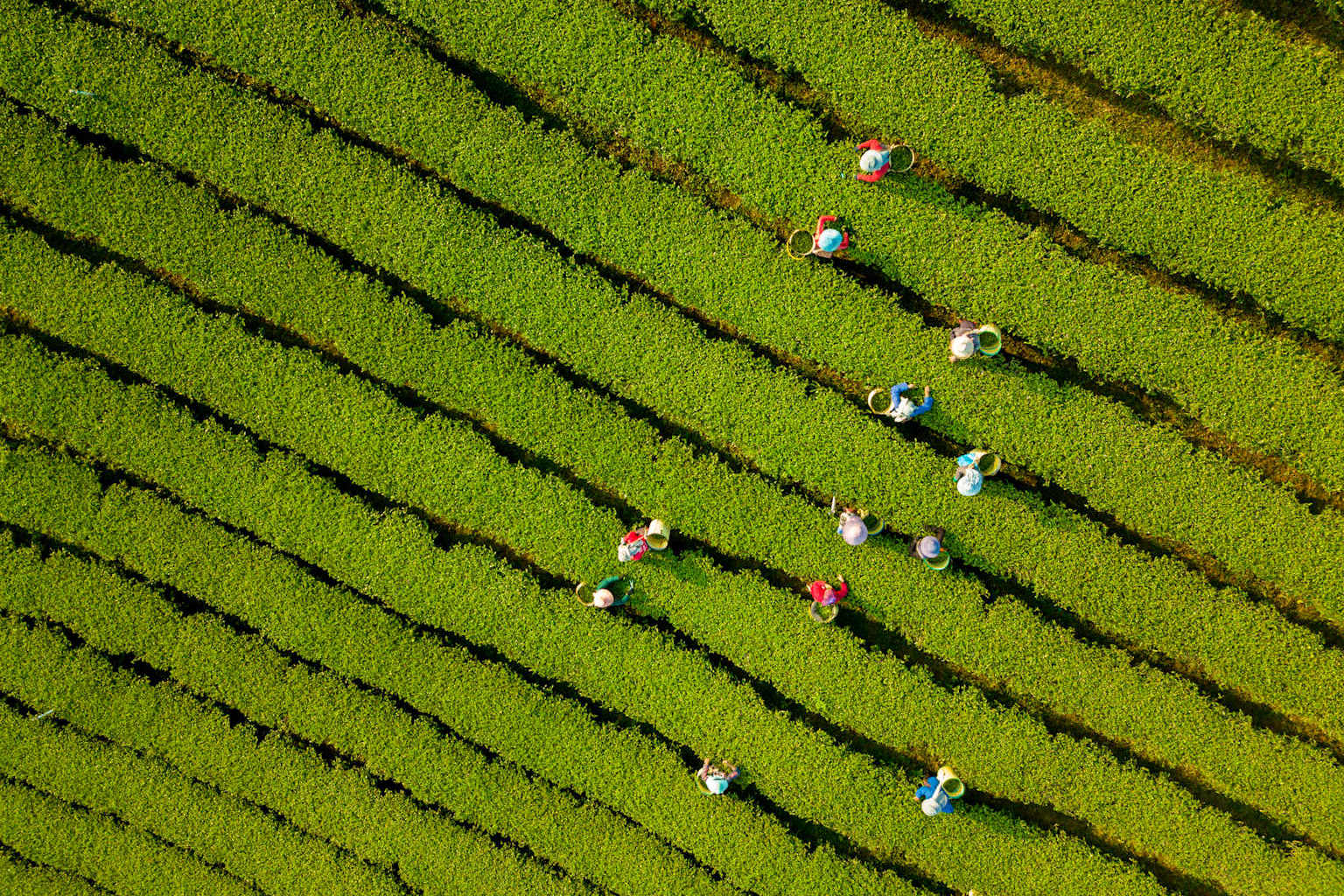
apnews+1apnews+1timesliveA record-breaking El Niño is bearing down on Southeast Asia, bringing drought, wildfires and failing harvests that threaten to push tens of millions more people into hunger and send global food prices sharply higher, according to the Associated Press and international agencies.apnews+1
The U.S. National Oceanic and Atmospheric Administration said in its September forecast that there is a 75 percent chance the current El Niño will exceed all previous events dating back to 1950, with sea surface temperature anomalies potentially surpassing 2.5°C. NOAA's probability tables show a 100 percent chance of El Niño conditions persisting through at least March 2027. The United Kingdom's national weather and climate service has called the intensifying event potentially the "strongest in living memory."hurriyetdailynews+2
The UN World Food Programme has warned that the phenomenon could push at least 49 million additional people into acute food insecurity by the end of 2027. The three largest rice exporters — India, Vietnam and Thailand — face reduced harvests as drought forces farmers to delay planting or cut acreage. In Thailand, rice farmers are spending most of their days pumping water into fields because they no longer trust the rain, the AP reported.timeslive+2
Indonesia and Malaysia, which supply about 85 percent of the world's palm oil, are also under pressure. In Indonesia, wildfires are torching forests and peatlands, sending toxic haze over wide areas, while the water level of a major reservoir supplying Jakarta is dropping steadily. Goldman Sachs The Goldman Sachs Group, Inc. analysts estimate the El Niño could push global food commodity prices up more than 15 percent.apnews+2
The climate shock is landing on top of existing economic strain. A report released September 16 by risk consultancy Verisk Maplecroft found that conflict-driven fertilizer and fuel costs from the Gulf war are hitting Asian harvests at the same time as El Niño, compounding food insecurity across the region. More than 75 percent of countries in South and Southeast Asia already rank as high or very high risk on Verisk's Food Security Index, and over half of those also face elevated civil unrest risk.asiainsurancereview+1
"El Niño is compounding all the other problems we see," said Paul Teng of Singapore's Iseas-Yusof Ishak Institute. HSBC's Global Investment Research has warned that total economic losses from past extreme El Niño events have reached trillions of dollars, and the current episode could be worse.hurriyetdailynews+1
The El Niño is forecast to peak in December, with NOAA's experimental models still projecting historically strong conditions through early winter. Kareff Rafisura, chief of disaster risk reduction at the UN Economic and Social Commission for Asia and the Pacific, framed the stakes plainly: "Whatever happens to agriculture determines whether people stay below or slightly above the poverty line."gfdl.noaa+1