Newsletter Subscribe
Enter your email address below and subscribe to our newsletter
[forminator_form id="25163"]

All voices matter
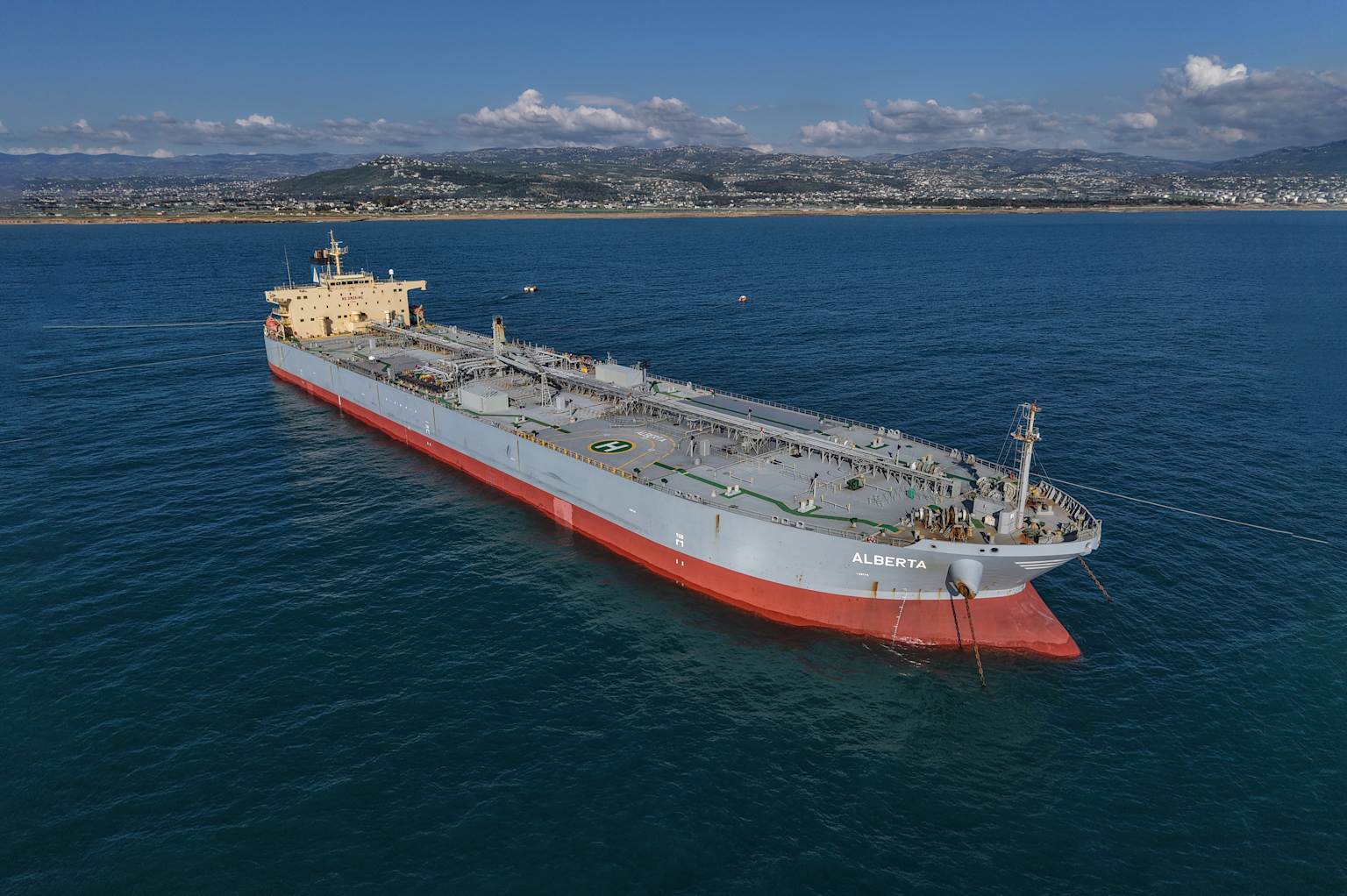
businessinsider+1marketscreener+1businessinsiderCrude oil prices pulled back sharply on Monday as traders reassessed the geopolitical risk premium that has driven months of volatility, with a U.S. military command report of rising oil flows through the Strait of Hormuz helping ease supply fears even as the U.S.-Iran conflict grinds on.
Brent crude, the international benchmark, fell more than 2% on Monday after trading above $103 in the prior session, extending a retreat from a recent peak near $110 a barrel. West Texas Intermediate also dropped, with both benchmarks pulling back from levels that had alarmed consumers and policymakers alike.businessinsider+1
The selloff was sparked in part by the U.S. Central Command's weekend announcement that oil and liquefied natural gas shipments through the Strait of Hormuz had reached a six-month high over the preceding two-week period. "Clearly, momentum is building," said Brad Cooper, the head of CENTCOM, in a video message published Saturday.investing+1
Oil flows from the Middle East have averaged 17.1 million barrels a day over the 10 days leading up to September 18, according to JPMorgan , though that figure remains roughly 6 million barrels a day below last year's average. Attention also turned to prospects for U.S.-Iran diplomacy, with President Donald Trump telling Fox News over the weekend that he would "probably be open" to meeting with Iran's president, Masoud Pezeshkian, who is in New York this week for the United Nations General Assembly.businessinsider
Beneath the day-to-day swings lies a structural shift in the market: China's role as the world's largest oil importer has become a decisive variable. Beijing slashed crude imports by roughly 40% earlier this year after the near-closure of the Strait of Hormuz disrupted Middle Eastern supply routes, drawing instead on enormous strategic stockpiles built up over years of purchasing discounted sanctioned oil.marketscreener+1
Those imports are now rebounding. According to data from Kpler cited by MarketScreener, Chinese seaborne crude arrivals rose to an estimated 7.84 million barrels per day in September, up from 7.25 million in August. Chinese customs data showed August imports reached 37.9 million tonnes, the highest level in four months, though still more than 23% below year-ago levels. Al Jazeera reported that Beijing faces an "increasingly difficult balancing act" between securing domestic energy supplies and preventing further price escalation.aljazeera+2
Despite the pullback, analysts caution that prices are unlikely to retreat far. "Every time we're getting a pullback, the floor for prices is higher and higher," Amrita Sen, director of research at Energy Aspects, told CNBC on Monday. Kpler has said it is possible for Brent to rise as high as $150 a barrel in 2027 if supply constraints persist.businessinsider
The U.S. Strategic Petroleum Reserve, meanwhile, fell to its lowest level since 1982 last week, with just over 284,000 barrels remaining in storage, according to the Energy Information Administration. As MarketScreener noted, China's massive inventories — estimated at triple or quadruple U.S. reserves — have given Beijing considerable sway over global prices, but that cushion "cannot last forever".marketscreener+1