Newsletter Subscribe
Enter your email address below and subscribe to our newsletter
[forminator_form id="25163"]

All voices matter
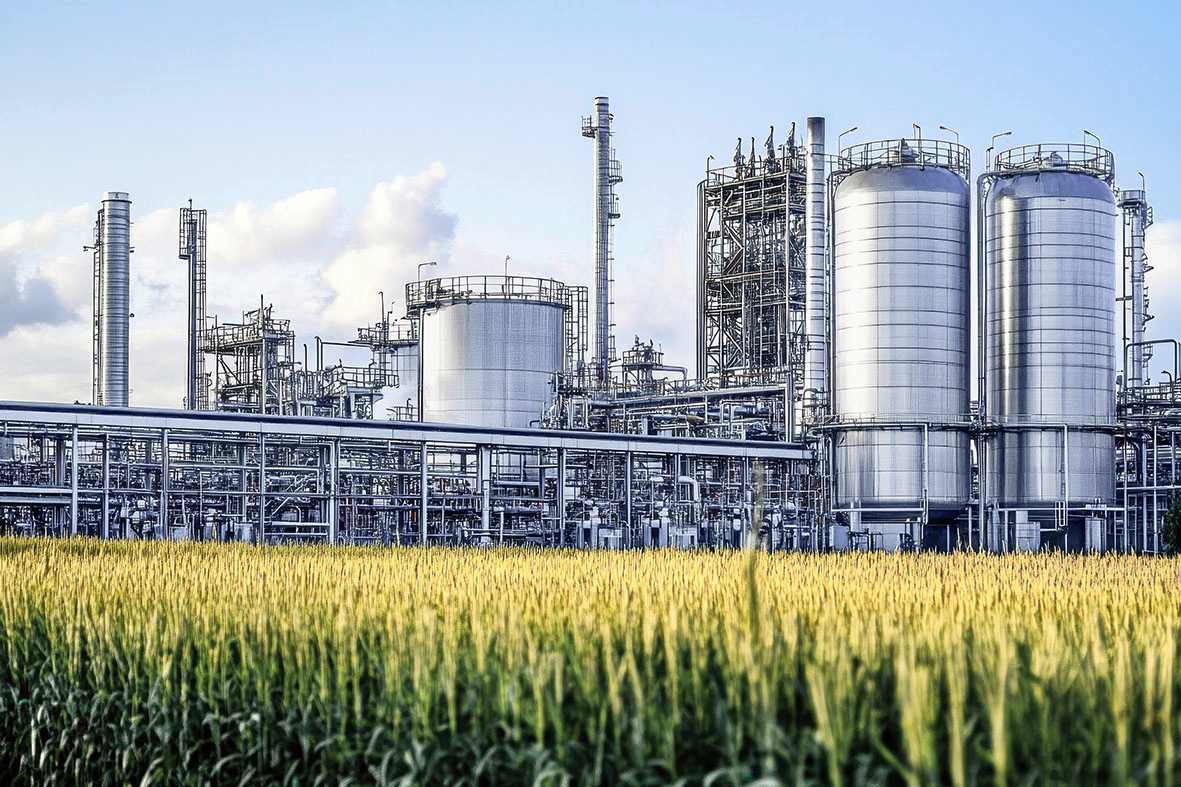
reutersreutersreutersGlobal biofuels production is expected to jump nearly 70% by 2030 from 2025 levels as countries race to reduce their dependence on fossil fuels roiled by the Iran war, according to a study published on Tuesday by Chatham House and the Forest Stewardship Council.reuters
The surge is being driven by higher blending mandates adopted or proposed by Brazil, China, India, Indonesia, the United States, and the European Union since the conflict began in late February. Crude oil prices have risen nearly 40% since the outbreak of the war, while sugar and corn prices have gained about 20%.reuters
The study's authors warned that the rush toward biofuels risks worsening food insecurity and deforestation. If all proposed mandates are fully implemented, the land needed to produce biofuel feedstocks could more than double by 2030 compared with 2023 levels, requiring an additional 36 million hectares — roughly the size of Germany.reuters
"By prioritizing energy security in the short term, some policy responses may be trading off against increased food insecurity in the medium term," the authors wrote, adding that "any additional shock such as extreme weather could severely affect food prices".reuters
First-generation biofuels, made from food crops such as corn and sugarcane, tend to have "net negative consequences for land degradation, food security and water use," the study found. Second-generation biofuels produced from waste materials carry fewer risks, but conventional crop-based fuels still dominate production.reuters
The energy shock is rippling across Southeast Asia. Thailand's cabinet on Tuesday endorsed a strategic fuel crisis response plan for 2026–29, prioritizing wider use of domestically produced biofuels and measures to stabilize fuel prices. The country's Oil Fuel Fund is running a deficit of 92 billion baht, widening by roughly 700 million baht a day, and officials are considering new borrowing of up to 100 billion baht.bangkokpost
The crisis in the Strait of Hormuz has pushed global LNG prices to $28 per million British thermal units, approaching levels seen during the Russia-Ukraine war. Thailand's Energy Regulatory Commission said the country needed to redefine energy security by adding "flexibility" to its framework, while accelerating domestic gas exploration in the Andaman Sea and diversifying supply sources beyond the Middle East.nationthailand
The biofuel boom reprises a long-running debate. The fuels become more competitive as oil prices rise, but the speed at which mandates are being increased "creates significant risks as demand for feedstocks may rise faster than environmental safeguards, certification systems, land-use planning and enforcement mechanisms can be implemented," the Chatham House study cautioned.reuters