Newsletter Subscribe
Enter your email address below and subscribe to our newsletter
[forminator_form id="25163"]

All voices matter
bloomberggloballnghub+1marinelink+1Extreme heat is tightening its grip across North Asia just as geopolitical disruptions squeeze the region's lifeline of liquefied natural gas, creating what energy analysts warn is a dangerous peak-summer convergence for fuel-importing economies.
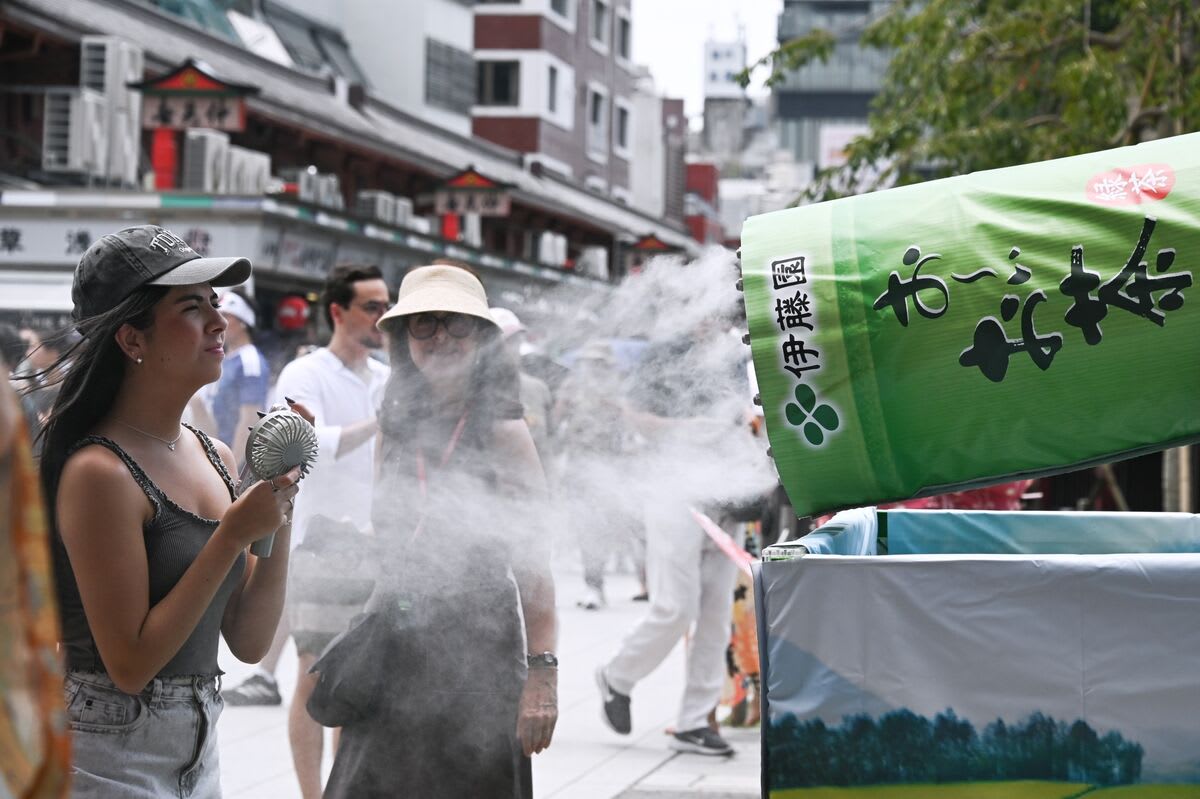
Bloomberg reported on July 24 that above-normal temperatures are set to build across North Asia again next week, with Japan expecting widespread heat to return by midweek after only a brief weekend reprieve. Japan has already endured temperatures near or exceeding 40°C in several regions this month, prompting the Japan Meteorological Agency to deploy its newly introduced "kokusho-bi" — or severely hot day — designation for days reaching that threshold. On July 14 alone, heatstroke alerts were issued across 17 prefectures, with a record 167 locations experiencing "extremely hot days".youtube+2
South Korea activated its highest-ever heat alert for the first time this year after apparent temperatures in southeastern cities were forecast to exceed 38°C, with 535 people already suffering heat-related illnesses. In China, power demand broke records repeatedly last summer when the national grid exceeded 1.5 billion kilowatts, and conditions this year are tracking similarly, with Reuters reporting in May that temperatures across China, Japan, South Korea, and Southeast Asia had surged above historical averages weeks before the typical peak.reuters+1
The heat-driven surge in cooling demand is colliding with a constrained LNG market. The ongoing U.S.-Iran conflict has effectively halted most energy flows through the Strait of Hormuz, the chokepoint for Qatari and Emirati exports that together account for a large share of global LNG supply. According to Global LNG Hub, the conflict has caused a cumulative loss of 120 billion cubic meters of LNG supply over the 2026–2030 period, with damage to Qatar's infrastructure requiring years to repair.globallnghub+1
Asian spot LNG prices have reflected the strain. By early June, prices for northeast Asian delivery had climbed to $19.15 per million British thermal units — their highest since late March — up from pre-crisis expectations of around $10/MMBtu for 2026. Kpler analysts projected average summer spot prices around $17/MMBtu, more than $5 higher than summer 2025. S&P Global noted in a July 19 podcast that Asian LNG markets face "renewed pressure" from the conflict's impact on supply security and Hormuz shipping.spglobal+2
Japan, the world's second-largest LNG importer, had already bolstered its Strategic Buffer LNG programme at the start of 2026, increasing emergency reserve purchases to at least 12 cargoes annually — roughly 840,000 tonnes — up from 210,000 tonnes in prior years. JERA, Japan's largest power generator, manages these reserves and in June received its first cargo from Australia's Barossa project to diversify supply.reuters+1
Asian and European buyers are now pressing Qatar and the UAE for lower prices and guarantees of replacement cargoes if Hormuz shipments are disrupted, according to Reuters. The Oregon Group, an energy research firm, warned on July 14 that the conflict has pushed back the expected LNG market surplus to 2028, leaving Asian economies exposed to elevated power costs through what forecasters expect to be another punishing summer.theoregongroup+1