Newsletter Subscribe
Enter your email address below and subscribe to our newsletter
[forminator_form id="25163"]

All voices matter
cryptobriefing+1reuterscryptobriefingMicrosoft has spent billions positioning itself as the infrastructure backbone of the artificial intelligence era, but an investigation by The Guardian has exposed a gap between those ambitions and reality: thousands of advanced AI chips are sitting idle in inventory because the data centers meant to house them have not been built on schedule.
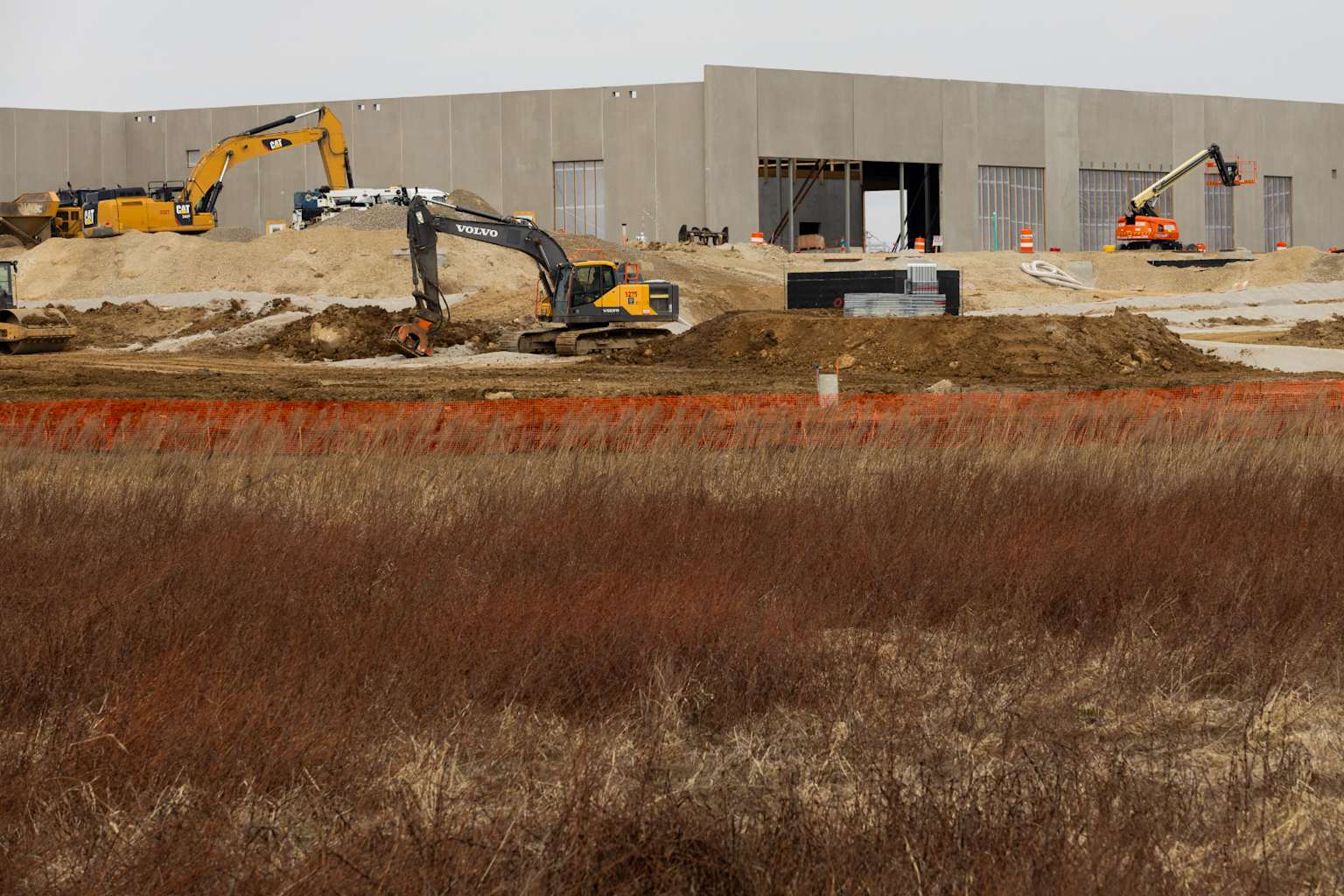
The Guardian's reporting, based on internal documents, found that Microsoft had targeted 1.8 million AI chips installed across its global data centers by the end of 2024. Nearly two years later, in the middle of a $280 billion expansion program, the company has approximately 2.2 million chips installed — a figure that suggests deployment has not kept pace with procurement. The core constraint is not chip supply on paper but physical infrastructure: construction timelines for data centers have slipped, leaving purchased hardware without facilities in which to operate.cryptobriefing+1
The bottleneck threatens Microsoft's commercial AI products, including the Copilot suite embedded across Office and the Azure OpenAI service. Chips warehoused rather than deployed represent compute that generates no revenue and serves no customers.cryptobriefing
Microsoft rolled out its Maia 200 AI accelerator in January 2026, calling it "the most efficient inference system Microsoft has ever deployed" with 30% better performance per dollar than existing alternatives. The company is now preparing to unveil its successor, the Maia 300, as early as September, according to Reuters.reuters+2
Microsoft is in negotiations with TSMC Taiwan Semiconductor Manufacturing Company for the production of more than 300,000 Maia 300 chips targeted for delivery in 2027, though Microsoft has disputed the reported production figures. That timeline means relief from the custom chip pipeline is not imminent.linkedin+2
Competitors have moved faster. Amazon's Amazon.com, Inc. Trainium and Inferentia chips are already deployed at scale within AWS, and Google's Alphabet Inc. tensor processing units have run production workloads for years.cryptobriefing
The data center delays are part of a wider industry crunch. According to The Wall Street Journal News Corp , data centers will consume more than 70% of high-end memory chips produced worldwide in 2026, a concentration that is driving up prices for consumer electronics, automotive systems, and industrial equipment by as much as 20%. Analysts expect the structural shortage to persist through at least 2027.hbs+2
Approximately 40% of U.S. data centers planned for 2026 are experiencing construction delays due to labor shortages and power infrastructure bottlenecks, a constraint that extends well beyond Microsoft to the broader AI buildout. For Microsoft, the question is whether its infrastructure can catch up to its ambitions before rivals widen their lead.instagram