


Newsletter Subscribe
Enter your email address below and subscribe to our newsletter
[forminator_form id="25163"]

All voices matter
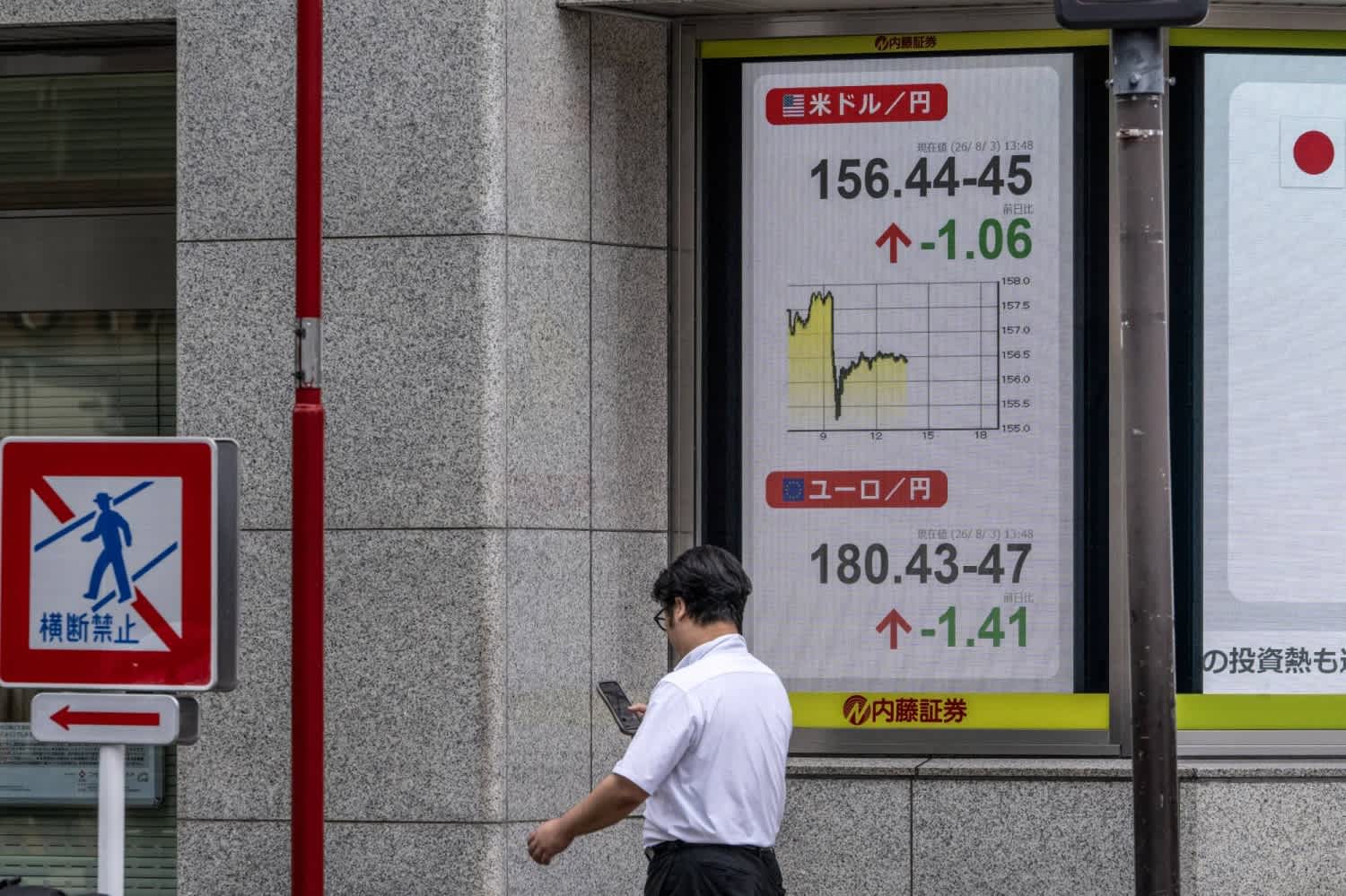
reutersstreetinsiderfinance.yahooThe Japanese yen has retraced roughly half its gains from late July's coordinated US-Japan currency intervention, drifting back toward the psychologically important 160-per-dollar level even as markets rapidly price in a Bank of Japan rate hike next month. USD/JPY traded around 159.40 on Thursday, up from a post-intervention low near 155.20, leaving the currency vulnerable to another test of the threshold that has historically triggered official action.reuters+1
The sharp repricing in rate expectations now dominates the yen outlook. Markets assign a 76% probability to a BOJ hike at its September 17–18 meeting, according to Tokyo Tanshi data, up from just 24% on July 30. The shift was catalyzed by US Treasury Secretary Scott Bessent urging Japan to back intervention with "policy and fundamentals," a message interpreted as pressure on Prime Minister Sanae Takaichi's government to step aside and let the BOJ tighten.finance.yahoo+1
Bloomberg reported Wednesday that Takaichi's administration is receptive to an earlier rate hike, with September or October as the leading candidates. The Prime Minister's office said specific monetary policy decisions "should be left to the Bank of Japan," but people familiar with the matter said the government's desire to reinforce the impact of intervention and the BOJ's concern over yen-driven inflation are aligning both sides on a near-term move.finance.yahoo+1
If the BOJ raises rates again in September, it would mark its third hike since Takaichi took office and the fastest pace of monetary tightening since 1989. The central bank lifted rates to a 31-year high of 1% in June.bloomingbit+1
Mitsuhiro Furusawa, Japan's former top currency diplomat, warned Thursday that joint intervention with Washington could come "at any time" and is not tied to a specific exchange-rate trigger. "It is probably not a matter of intervening specifically at, say, 160 or 162 yen per dollar," he told Reuters.mezha+1
Furusawa said intervention only buys time, estimating the BOJ ultimately wants to raise rates to 1.5%–1.75% based on its neutral rate range of 1.1%–2.5%. He projected hikes in September, then December or January, with another possible in the fiscal year starting April 2027.finance.yahoo
Analysts warn that failure to deliver would inflict lasting credibility damage. "If they don't do it, the yen will weaken," said Moh Siong Sim, currency strategist at OCBC. Rinto Maruyama of SMBC Nikko Securities went further, calling a delay "a betrayal of the market" that would cause the yen to fall and long-term bond yields to climb as inflation fears mount.reuters
The US-Japan policy rate gap of 250–275 basis points continues to pull capital toward the dollar, a structural headwind that intervention alone cannot neutralize. With the yen hovering just below 160 and September's meeting five weeks away, the BOJ's next move will determine whether the joint intervention proves a turning point or merely a temporary reprieve.ebc


